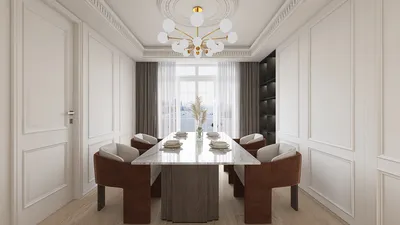


For over ten years, I have envisioned and executed events in Shahdara, and I’ve found that the finest banquet halls here possess a few subtle advantages: effectively managed circulation, clear acoustics, and lighting that enhances both guest appearances and decor. Although guests may not consciously notice these factors, they play a crucial role in shaping the overall experience. Research supports this; according to Steelcase, environments that minimize noise distractions can enhance performance by as much as 10%. This translates into clearer speeches and more composed dialogues at events. Moreover, WELL v2 guidance connects lighting quality and glare management with attendee comfort and awareness, ensuring guests remain engaged during extended ceremonies, and tools like Homestyler can help visualize these aspects during planning.
The importance of comfort and flow cannot be overstated. Gensler's workplace studies consistently link a clear layout and easy navigation with perceived quality and satisfaction. I apply this principle to social venues: when the pathways from entry to stage and dining are intuitive, guests can settle in more quickly and find greater enjoyment. On the topic of lighting, IES guidelines advocate for layered lighting and suitable brightness ratios to eliminate glare and discomfort—perfect for visual-oriented ceremonies and late-night receptions.
Essential Aspects of an Exceptional Banquet Hall in Shahdara
A quality venue begins with fundamental features: a ceiling height between 12 and 16 feet allows for proper air circulation and sound management; wisely spaced columns ensure unobstructed views; and an unseen service corridor maintains guest focus. Ideally, seating should provide around 10-12 square feet per guest for banquet rounds with a stage, or 8-10 square feet for cocktail events. If you plan to host live performances or large baraat entries, it's wise to allow for an additional 15-25% in space.
Assessing Capacity, Parking, and Accessibility
Before focusing on decor, it’s vital to confirm practical elements. For gatherings of 250-400 guests, you'll need a hall with at least 3,000-4,500 square feet of usable space, plus additional pre-function area for welcomes and images. Evaluate parking arrangements—aim for one parking slot for every 3-4 guests, suitable for Shahdara's diverse residential areas. If valet services are available, inquire about staging capabilities during busy evenings and seek written permissions from adjacent properties for event hours.
Reliable Acoustic Performance
Hard surfaces can amplify noise and distortion. Look for a hall equipped with sound-absorbing panels (NRC 0.7+) on the walls and a mix of soft furnishings—such as upholstered chairs, curtains, and area rugs—to control sound reverberation. To reduce excessive bass, place subwoofers away from corners, keeping the stage at least 12-15 feet from the nearest wall for optimal speech clarity. A venue presenting its acoustic strategy establishes immediate trust.
Enhancing Lighting for Visual Appeal
Incorporate warm ambient lighting (2700-3000K) for dining areas, alongside neutral task lighting (3500-4000K) at the stage and cake table to ensure accurate color representation in photos. Employ dimmable options and vertical lighting on backdrops to prevent flat appearances in pictures. Effective glare management is crucial—shielded downlights and soft uplighting foster a cinematic atmosphere without overwhelming traditional attire like saris and sherwanis. Consider requesting a lighting demonstration prior to finalizing your agreement.
Planning Circulation and Layout
The comfort of your guests hinges on the thoughtful arrangement of arrival, blessings, dining, and dancing. I ensure a minimum of 6-foot aisles to the stage, 4 feet around buffet stations, and 5-6 feet near bar areas. If your ceremony includes processional activities, practice the flow to identify any potential congestion zones, and keep DJ and catering routes distinct. For visualizing various configurations—such as banquet rounds versus theater seating—consider using an interior layout planner. A tool like Homestyler can assist you in crafting your floor plan, seating arrangements, and stage visibility.
The Influence of Color Psychology
Colors can significantly affect mood and perceived intimacy. Warm hues (amber, marigold, coral) promote interaction, while softer greens and blush shades help alleviate pre-ceremony nerves. Insights from Verywell Mind's overview of color psychology suggest that warm tones enhance energy levels—ideal for areas near entrances and dance floors, while cooler tones should be present in lounges and photo booths to encourage a relaxed atmosphere. To prevent color distortion in photos, find a balance between vibrant backdrops and neutral table linens.
Material Selection with Sustainability in Mind
In busy venues, opt for materials that resist stains, choose slip-resistant flooring near buffets (with a rating of R10 or higher), and low-VOC finishes to maintain a healthy indoor air quality for elderly guests and children. If your venue offers reusable decor options—such as modular arches and fabric backdrops—take advantage of these to minimize waste and costs. Additionally, inquire about maintenance logs to ensure that well-maintained HVAC systems contribute to improved air quality and quieter events.
Coordination of Vendors and Back-of-House Operations
The top venues in Shahdara are well-equipped to manage your schedule through organized logistics. Ensure there’s a service entry of 6-8 feet, a staging area for rentals, a designated greenroom for the couple and their family, and sufficient power (200-300 amps) for sound and lighting without interruptions. Confirm delivery windows that avoid peak traffic times, and ask for a unified point of contact for audiovisual, catering, and cleaning services.
Achieving Budget Transparency
Request detailed quotes itemizing costs such as hall rental, basic lighting, sound equipment, generator use, cleaning fees, and any decor limitations. Make sure to secure access to rehearsal in writing. Consider weekday reservations for potential discounts, and inquire about package swaps (for instance, upgrading staging instead of an additional dessert) rather than pressuring for lower prices—venues often accommodate requests that maintain value.
Local Shahdara Touches to Delight Guests
Incorporate local elements into your event: welcome tables featuring regional sweets, brass thalis for centerpieces, or a live chaat station positioned near the entrance. For winter events, provide shawl stations at the doors and employ warmer lighting in lounge areas. Summer occasions can benefit from air-curtained vestibules and chilled water stations outside the main hall.
Final Selection Checklist
- Capacity: 10-12 square feet per guest for rounds
- Ceiling Height: 12-16 feet clear
- Acoustics: NRC 0.7+ absorption, isolated DJ area
- Lighting: 2700-3000K ambient, adjustable scenes
- Electrical: 200-300 amps with backup solution
- Accessibility: service corridor and dedicated vendor entry
- Parking: ensure valet staging plan in writing
- Back-of-House: greenroom, staging area for rentals, waste management strategy
- Venue Policies: rehearsal timing, overtime charges, decor guidelines
How I Guide Clients to Their Ultimate Choice
I begin with a test layout and a ten-minute light-and-sound preview. Following that, we perform an acoustic check—testing the microphone at anticipated volumes while simulating the noise of plates and cutlery. I'll assess restroom capacity and ventilation, analyze generator noise at full load, and time the walk from entry to stage, considering the comfort of older guests. If the venue can successfully navigate these tests without justifications, it’s likely you’ve found the right location.
Frequently Asked Questions
Q1. How much capacity should I plan for an event of 300 guests including a stage and dance area?
A1. Anticipate needing 3,300-3,800 square feet within the hall, with an additional 400-600 square feet for pre-function activities, factoring in 10-12 square feet per guest and an allowance of 10-15% for the stage and dance floor.
Q2. What can I do to minimize echo and feedback during speeches?
A2. Opt for a hall that features wall and ceiling absorption (NRC around 0.7+), ensure speakers are angled towards the crowd, keep subwoofers away from corners, and ask for a compact line-array system instead of scattered speakers. This approach aligns with research demonstrating that better acoustic management enhances speech clarity, as highlighted in Steelcase’s workplace studies.
Q3. What lighting temperatures work best for ceremonies compared to dining?
A3. Utilize 3500-4000K lighting on the mandap or stage to maintain accurate color for photos, and ambient lighting in the range of 2700-3000K for dining to warm skin tones. Dimmable circuits allow for smooth transitions following rituals.
Q4. Any layout strategies to help manage guest movement?
A4. Maintain a 6-foot central aisle, 4-foot clearance around buffet areas, and position bars away from the main entrance to help disperse crowds. Utilize an interior layout planner for visualization; a quick simulation using tools like Homestyler can aid in confirming seating arrangements.
Q5. How much electrical power should I allocate for DJ and lighting?
A5. For a medium-sized event, plan for 15-20 kW of power: approximately 5-7 kW for the DJ and PA system, 6-10 kW for lighting, plus additional headroom for safety. Ensure that separate circuits are available for kitchen use to avoid audio interruptions.
Q6. Which materials are most durable for heavy use?
A6. Look for stain-resistant polyester blends for chair coverings, durable vinyl or solution-dyed fabrics for lounge areas, and slip-resistant tiles (R10 or higher) in buffet locations. Using low-VOC paints can also improve air quality for sensitive guests.
Q7. What factors influence parking and arrival comfort in Shahdara?
A7. Narrow streets and traffic during peak times significantly impact this. It’s wise to arrange for valet services with clear staging plans and coordinate with nearby properties for overflow parking during events. Incorporating a small vestibule or canopy can also lessen temperature discomfort upon arrival.
Q8. In what ways do colors impact guest energy levels?
A8. Warm shades (like amber and coral) can foster sociability, while softer colors can help calm nerves. This is consistent with the guidance on color psychology from Verywell Mind; deploying warm accents in active areas and cooler tones in relaxation spaces can effectively influence the atmosphere.
Q9. Which standards should I ask venues to reference?
A9. Inquire about their lighting plans in relation to IES luminance standards and guest comfort, and how they apply WELL principles like glare management and acoustic quality, even if they are not officially certified.
Q10. How far in advance should I book top halls in Shahdara?
A10. During peak wedding season, it’s advisable to book 6-9 months ahead; for off-peak times or weekdays, 2-4 months is often sufficient. Ensure rehearsal times are clearly defined when signing the contract.
Q11. Can you suggest budget-friendly sustainability practices?
A11. Consider reusing decor items, utilizing LED lighting with dimmers, providing filtered water stations instead of bottled water, and ensuring vendor contracts include waste management plans. These choices will help reduce costs and simplify the cleanup process.
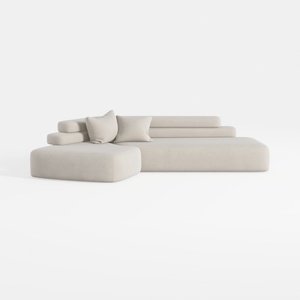
Minimalist Fabric L Shape Sectional Sofa 3D Model
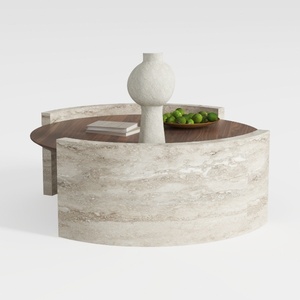
Round Coffee Table,29.52IN Wooden Coffee Table,Mid
Homestyler is your go-to online home design platform, ideal for transforming your ideas into reality. With an easy-to-use design tool, stunning 3D renderings, diverse design projects, and helpful video tutorials, you’ll find everything you need to create your dream space effortlessly!
Projete agora para LIVRE
































