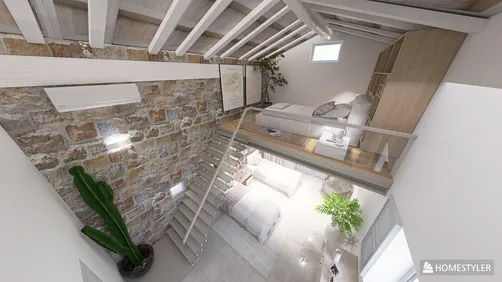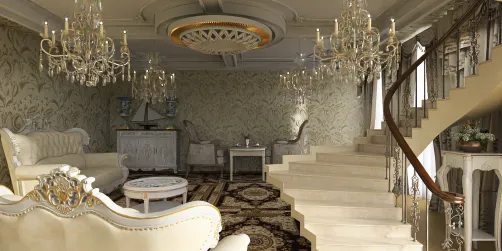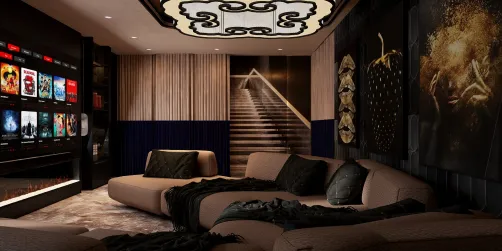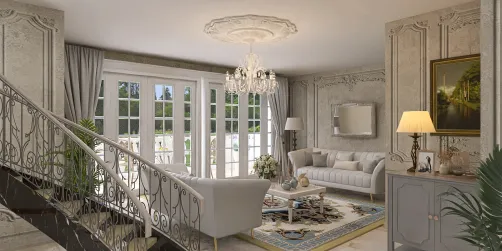
Over the years, I've experienced numerous celebrations that succeeded or fell short primarily due to the venue's influence. A great event hall is not just aesthetically pleasing; it significantly impacts how guests arrive, interact, dine, and enjoy themselves. Recent studies in the hospitality and workplace sectors reveal that spatial performance is quantifiable: according to WELL v2, it’s crucial to keep background noise levels under 35 dBA in concentration areas and below approximately 50 dBA in social spaces to ensure comfort and speech clarity. Moreover, recommended lighting levels for social and task-oriented zones generally fall between 200–300 lux as per IES guidelines. Such criteria are essential for event venues, where controlled acoustics and thoughtful lighting can facilitate a seamless program experience with tools like Homestyler's interior layout planner.
The flow of the event and guest comfort are just as vital as visual appeal. Research from Gensler consistently indicates a link between spatial clarity and enhanced user satisfaction, suggesting that spaces designed for intuitive circulation and clearly defined seating areas encourage longer stays and deeper engagement. Additionally, color and ambiance play significant roles; an overview on color psychology by Verywell Mind highlights that warm colors can boost energy and sociability, while cooler shades foster calm and concentration—valuable tools when orchestrating various segments of a celebration, from lively cocktail hours to relaxed late-night gatherings.
Determine Your Event Goals and Guest Count
Before exploring venues, it's essential to establish your guest count, planned schedules (arrival, cocktail, dinner, speeches, dancing, late-night), and service styles. For a standing reception, aim for 6–10 sq ft per person, while cocktail arrangements with high-tops require about 10–12 sq ft. A seated banquet typically allocates 12–20 sq ft depending on table size and serving aisles, and theater seating generally occupies 8–12 sq ft. Understanding these metrics allows you to select a venue that accommodates your needs without overspending on unused space.
Evaluate Location, Accessibility, and Logistics
Guests will always remember the ease of their journey to the venue. It’s critical to prioritize clear wayfinding, accessible entrances, elevators for venues with multiple floors, and a safe load-in area for vendors. Assess available parking, ride-share drop-off zones, and proximity to public transport. For events catering to elderly attendees or requiring formal wear, minimize the reliance on stairs and reduce lengthy walks down corridors. Lastly, make sure to clarify curfew regulations and local noise ordinances early on.
Design the Guest Experience: Arrival, Circulation, and Zones
Envision the guest experience from the moment they arrive to when they check their coats and enjoy their first drink. I prioritize having a spacious arrival area to prevent queue congestion, accompanied by a prominent bar or welcome section to create a welcoming atmosphere. Ensure there are clear sightlines between the stage, dance floor, and dining areas; avoid architectural features such as columns that can obstruct views of key activities. If you're experimenting with configurations for seating or bar placements, consider using tools like Homestyler to simulate layout options and optimize traffic flow within the space.
Consider Ceiling Height, Proportions, and Visual Dynamics
Ceiling height can greatly influence the overall ambiance. Spaces with ceilings under 9 feet can feel cramped, particularly when featuring tall floral arrangements or lighting rigs, whereas ceilings between 12 and 18 feet allow for draping, projections, and striking light fixtures. Long, narrow halls tend to concentrate sound, while near-square layouts distribute sound more evenly. Incorporate alternating focal points—such as a bar, stage, or designated photo area—every 20 to 30 feet to encourage exploration while helping guests maintain their bearings.
Layer Your Lighting: Ambient, Accent, and Scenes
Implement three distinct levels of lighting. Ambient lighting, measured at 200–300 lux during meals and dimmable for later hours, ensures that faces look great in photos. Accent lighting—pinspots on centerpieces, wall grazing for texture, and gently illuminated backdrops—adds depth and interest. Create dynamic lighting scenes that evolve throughout the evening: brighter for arrivals and dining, softer and warmer for speeches, and bold contrasts on the dance floor. Always check that lighting systems allow for dimming, temperature control (2700–3200K for warmth), and flicker-free operation for video recording.
Manage Acoustics and Sound
While venues with hard surfaces can appear sleek, they can also amplify noise. Inquire about potential acoustic treatment options for walls or ceilings, the presence of soft furnishings, and drapery setups to manage sound reflections. When setting up for DJs or bands, orient them toward absorptive surfaces to balance sound. Bars and photo booths should be distanced from speaking areas to prevent interference. Utilize cardioid microphones for MC tasks and ensure a sound system distributed across the venue rather than a single loud source. Aim for comfortable background noise levels in mingling zones to prevent guests from shouting over each other.
Evaluate Power, AV, and Technological Resources
Ensure there are sufficient 20A circuits, dedicated power supplies for entertainment, and clean electrical lines for media usage. Check projector distances, screen dimensions, and ceiling fixtures for rigging. If check-in apps and live streaming are part of your event, must verify Wi-Fi capabilities. Choosing a venue that provides an in-house technician or has clearly documented resources can alleviate stress during the planning phase.
Kitchen, Bar, and Service Logistics
An exceptional gathering is essentially a masterclass in logistics. Seek venues that feature a dedicated service corridor, unobtrusive dish drop zones, and bars with running water and ice supplies. If catering is handled off-site, gauge the distance for transporting hot food; for chef-led menus, check for vented cooking facilities and compliance with fire regulations. Ensure that the pathways for trash and recycling do not intersect with those used by guests.
Furniture, Layout Versatility, and Rentals
Take inventory: table dimensions (60-72 inch rounds or 8 ft banquet), chair styles and counts, dance floor panels, stages, and risers. Venues offering flexible layouts typically feature neutral decor that complements any design scheme, along with rigging options for floral arrangements or scenic backdrops. If you’re looking to experiment with table formations or head-table visibility, utilizing an interior design tool like Homestyler can aid in confirming spacing before finalizing your booking.
Material Selection, Color, and Atmosphere
Opt for neutral tones (plaster, wood, stone) to allow for diverse color palettes. If a venue has strong color themes, coordinate your color choices or soften them using lighting gels and fabrics. Warm whites enhance facial tones, while deep charcoals ground the overall design without sacrificing vibrancy. Leverage color psychology principles to influence the event's energy—implement amber uplighting near the bar for a lively atmosphere while maintaining cooler accents in quieter lounge areas.
Ensure Safety, Compliance, and Accessibility
Verify maximum occupant loads, exit lighting, emergency protocols, and policies regarding open flames. Confirm ADA-compliance in routes to all essential areas, including stage ramps. If special effects such as confetti, sparklers, or fog are in the plan, discuss these with the venue and service providers early in the planning process to avoid complications closer to the event.
Budget, Hidden Fees, and Contract Evaluation
Examine all line items closely, including service charges, overtime costs, security, coat check fees, corkage, cleaning fees, AV labor minimums, and vendor access times. Clearly outline the noise curfews and potential for extension fees if needed. A venue that appears slightly more expensive but includes lighting, furniture, and reliable technical support may actually offer better value than cheaper raw spaces when factoring in rentals and labor costs.
Site Visit Checklist
- Walk through every aspect of the guest journey: arrival, entry, coat check, bar, dining, stage, dance, restrooms, lounge, and exit.
- Stand at major points and assess sightlines for 80% of the seating.
- Perform a clap test for echoes; check conversational dynamics by speaking in pairs.
- Cycle through various lighting scenes; verify dim-to-warm behaviors and flicker for videos.
- Audit outlet availability and circuit types; confirm rigging weight limits.
- Measure time for servers to travel from the kitchen to the farthest table.
- Verify door sizes for decor installations and rental deliveries.
Shortlist with Intent
Narrow down to three venues that align with your capacity, logistical needs, and event flow. Develop a comparison chart for costs, access durations, inventory included, AV options, and restrictions. For more complex setups—such as multiple bars, live performance, or different lounge areas—utilize an interior layout tool like Homestyler to prototype your design and ensure spacing and circulation run smoothly.
Expert Recommendations and Additional Resources
For those interested in exploring evidence-based comfort, refer to WELL v2 for in-depth frameworks on acoustic and lighting quality, which can serve as valuable resources during the venue selection process. Additionally, Gensler’s research provides insights into spatial behavior and user contentment in communal environments, enhancing decision-making around flow and amenity arrangement.
Frequently Asked Questions
Q1: How much space should I allocate per guest?
A: For a standing reception, expect 6–10 sq ft per individual; cocktail parties with high-tops require about 10–12 sq ft; for seated banquets, plan for 12–20 sq ft depending on table sizes and service paths; and theater seating generally needs 8–12 sq ft. Always factor in an additional 10–15% buffer for bars, DJ areas, or photo ops.
Q2: What type of lighting should I request from the venue?
A: Look for dimmable ambient lighting at around 200–300 lux for dining, warm color temperatures (2700–3200K), and accent features like pinspotting for centerpieces and wall grazing. Ensure flicker-free lighting sources for photography and video, and verify that the venue can save multiple lighting scenes.
Q3: How can I minimize echo and noise in a hard-surface venue?
A: Implement soft treatments such as pipe-and-drape, cushioned seating, area rugs, and tablecloths. Position the DJ towards sound-absorbing walls and space speakers evenly. Keep bars away from the main stage or speaking zones to prevent noise overlaps.
Q4: What accessibility features should I confirm?
A: Ensure step-free access at entry points, elevator availability for multi-level venues, ADA-compliant restrooms, and accessible paths to bars, dining areas, and the stage. Check for ramp access for presenters or speakers as necessary.
Q5: What hidden costs should I look out for in a venue contract?
A: Pay attention to service charges, security rates, late load-out fees, AV labor minimums, corkage for beverages, cake-cutting fees, cleaning costs, valet parking fees, and potential curfew extensions. Request an itemized estimate for clarity.
Q6: How far in advance should I book a venue?
A: During peak seasons and weekends, booking 9–12 months ahead is ideal; for weekday or off-season gatherings, 4–6 months should suffice. Events requiring complex setups (like staging or extensive decor) benefit from longer lead times.
Q7: What ceiling height is best for a dance-intensive event?
A: A height of around 12–18 feet provides ideal clearance for lighting rigs, suspended decor, and better sound distribution. Lower ceilings can still work effectively with uplighting strategies and low-mounted fixtures complemented by soundproofing elements.
Q8: How should I plan bar placements?
A: Position at least one bar visibly close to the entrance to minimize guest wandering and dictate the event's rhythm, and add a second bar near the dancing or lounging areas. It's important to keep both bars away from speaking zones to mitigate background noise interference.
Q9: Can colors genuinely influence the overall atmosphere?
A: Absolutely. Warm shades tend to enhance social interactions and energetic vibes, while cooler colors create tranquility. Opt for warmer ambient lighting during the cocktail hour and dining, and incorporate bold color pops on the dance floor to shift energies as the night progresses.
Q10: What AV-related queries should I raise during the venue tour?
A: Inquire about the number and positions of 20A circuits, power sources dedicated to entertainment, rigging points and capacity ratings, as well as projector distances and screen sizes. Explore the availability of an in-house technician and confirm Wi-Fi efficiency for on-site check-ins or live-streaming needs.
Q11: How can I ensure unobstructed sightlines for speeches?
A: Avoid placing columns in the primary viewing axis, elevate the stage by 12–24 inches during seated dinners, center the lectern within the longest sightlines, and test visibility from the back rows during your venue visit.
Q12: What is an efficient way to test venue layouts prior to committing?
A: Utilize a digital room planning tool to model seating arrangements, bar setups, and dance floors, then simulate foot traffic and vendor access. This method allows you to quickly pinpoint any congestion points and validate guest capacity with realistic layouts.


Homestyler is an amazing online platform for anyone looking to elevate their home design game. With its user-friendly design tool, stunning 3D renderings, a wealth of design projects, and helpful video tutorials, you’ll easily turn your creative vision into reality. Perfect for all skill levels!