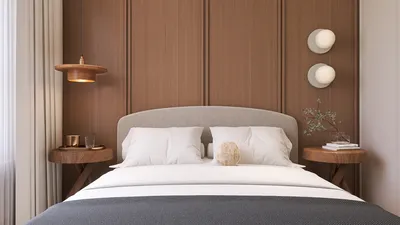


I frequently regard side tables as the subtle organizers of a living room: they have a small footprint, yet they play a significant role in function and balance. A thoughtfully selected side table can stabilize seating arrangements, manage clutter, and add texture and contrast without overwhelming the space. Key details, such as the height in relation to the armrest, surface diameter for daily activities, and circulation space, are crucial. Research from Steelcase indicates that having micro-surfaces within easy reach enhances task switching and minimizes interruptions; similar principles apply in our homes, where comfort and accessibility influence our room usage. WELL v2 also highlights the importance of reach and ergonomic accessibility as part of its movement and comfort recommendations, showing that even small surfaces can impact our posture and habits.
In our living environments, both light and color greatly affect how functional a side table appears. The Illuminating Engineering Society (IES) notes that typical layered ambient lighting in homes aims for about 100–300 lux, whereas reading may require 300–500 lux at the task plane, which can determine whether a side table is merely attractive or also genuinely practical for activities like reading or conversing. Regarding color, findings compiled by Verywell Mind suggest that warm shades (like terracotta or soft red) evoke a sense of warmth and energy, while cool tones (such as pale blue) provide a calming and receding effect—both valuable insights when choosing finishes or inlays for your tables.
Proportion, Height, and Reach
As a general guideline, the top of a side table should be within 1–2 inches of the surrounding armrest height to support easy reach without needing to raise your shoulders. Standard sofa arm heights typically range from 22 to 26 inches, while lounge chairs might be lower, around 20 to 23 inches. For deep, low sofas, consider drum tables or pedestal designs that are 20 to 22 inches high. In contrast, for traditional club seating, aim for square tables between 24 and 26 inches to ensure adequate lamp placement for reading. It's important to leave at least an 18-inch space from the front of the seat to the center of the tabletop to prevent awkward leaning.
Diameter, Footprint, and Flow
Side tables occupy the busiest pathways. Ensure a clear passage of 30 to 36 inches in main routes and at least 18 inches for secondary paths. In smaller rooms, 16 to 18-inch diameter rounds decrease the chance of bumps while still offering space for a drink and a book. For larger areas, 20 to 24-inch rounds or 18 to 22-inch squares provide stable lamp support. If the layout remains flexible, using a design simulation tool like an interior layout planner can help you visualize the positioning of side tables and traffic flow before finalizing decisions. Consider utilizing Homestyler for this purpose, as it offers fantastic room layout visualization options.
Material Choices that Work Hard
The choice of materials influences both the mood and longevity of side tables. Solid wood, such as quartersawn oak or walnut, adds warmth and wears beautifully in family spaces. Stone tabletops (like marble or quartzite) introduce a sense of permanence and thermal stability for tall lamps. Minimalist powder-coated steel frames provide a contemporary look, while antique brass contributes a touch of depth to transitional designs. In busy households, opt for rounded edges, durable finishes, and sealed stone surfaces to prevent damage. Additionally, for acoustics, consider tables with perforated metal shelves or drawers lined with felt to subtly minimize noise, while cork or leather coasters can protect against harsh glass-on-stone sounds.
Color Psychology and Finish Strategy
I effectively use color to capture attention without overwhelming the space. A high-contrast side table (like black next to a light-colored sofa) stands out as a focal point; conversely, a low-contrast piece (such as taupe on taupe) allows art or lighting to take the lead. Spaces designed for social gatherings benefit from deeper, low-gloss finishes that minimize glare, while satin or oil-rubbed sheens can enhance richness under ambient lighting. According to color psychology insights from Verywell Mind, calming blues and muted greens help to soothe the environment, while a terracotta or burgundy accent table invites warmth and dialogue among guests.
Lighting: Pairing Tables and Lamps
For reading, lamps must have a stable base and appropriate height. Ideally, the bottom rim of the lamp's shade should be aligned with eye level while seated, typically around 42 to 48 inches from the floor, depending on the chair's height. Matching a translucent lamp shade with bulbs rated at 2700–3000K ensures a warm atmosphere for evening activities; select a bulb with a CRI of 90 or higher to accurately represent colors in fabric and wood. To prevent glare, keep the bulb out of direct line of sight from standard seated positions and consider using dimmers to achieve IES-recommended task lighting levels of 300–500 lux at reading materials. Slim tables can be effectively paired with small column lamps or wall sconces to preserve surface area.
Storage, Cable Management, and Chargers
When a drawing room serves as a workspace, integrated shelves or drawers can contribute to a tidier appearance. A drawer that is 3 to 4 inches deep can conceal remotes and notebooks without adding bulk. For technology, look for tables with grommeted tops or clips underneath to discreetly manage cables. Inductive charging surfaces can help keep things organized; just ensure proper alignment and heat management for your devices. Additionally, make sure power outlets are easily accessible from the sides or rear, avoiding front-facing designs where cords can become distracting.
Shapes, Sets, and Layering
Using pairs of identical tables fosters symmetry in formal areas; alternatively, a mixed pair creates visual rhythm and softens traditional seating arrangements. Round tables facilitate better flow around corners, while square designs fit snugly against tuxedo sofas and straight arms. C-frames can slide beneath seat decks, bringing the surface closer for sketching or laptop use. Nesting sets provide two surfaces for guests but can be neatly stored away when not in use. Aim to balance a visually heavy item (like a stone drum) with a lighter counterpart (such as a slender metal frame) to maintain an airy composition.
Ergonomics and Human Factors
Consider details like finger clearance around lamp pulls, rounded edges at knee height, and a stable base to reduce everyday friction. I recommend adjusting table height to match the seated elbow level of the primary user whenever the table is intended for writing or working with tablets. The WELL v2 framework underscores the importance of comfort and movement; ensuring a personal surface is accessible for each seat promotes healthier postures and reduces awkward twisting, particularly in households with multiple generations.
Acoustic Comfort and Soft Detailing
Hard, reflective surfaces may amplify sounds of clinks and drops. Incorporate soft accessories like leather trays, felt catch-alls, or cork-backed coasters to absorb high-frequency noise. If the room features a lot of glass or stone, selecting tables with wooden tops or leather inlays can soften the acoustic experience while maintaining the aesthetic.
Sustainability and Longevity
Opt for materials that are easy to maintain and can be refinished—solid wood rather than thin veneers, replaceable hardware instead of glued joints. Low-VOC finishes and responsibly sourced woods enhance indoor air quality. Consider modular or knock-down bases for easy repair and relocation. I tend to prefer timeless proportions over fleeting designs, ensuring that the table can transition to a bedroom or study when the living room layout changes.
How to Size for Common Seating Setups
Use one 18–20-inch round table between seating pieces, plus a slender C-table for the armchair. Ensure a clear 30-inch walkway behind the chair if it is separated from the wall.
For the open end, employ a 20–22-inch square table and a low-profile 16–18-inch round table beside the chaise for drinks without obstructing leg movement.
Place two 20–22-inch tables at each end for balance and lamp placement, then add a compact 14–16-inch pedestal between them if the seating spans over 8 feet.
Budget, Vintage, and Customization
Limited budgets can yield creative material usages—pair powder-coated bases with solid wood tops, or discover vintage pieces complemented with new stone finishes. Vintage brass and smoked glass can add character; just ensure stability and safety. When making custom choices, prioritize height and footprint first, adding storage or power features afterward. A mere inch increase in height is often more crucial than a decorative stretcher that goes unnoticed.
Quick Selection Checklist
References and Further Reading
For additional insights into ergonomic comfort and surface accessibility, visit WELL v2 at wellcertified.com. To learn about the transition of work habits from office to home regarding micro-surfaces and task switching, refer to the Steelcase research found at steelcase.com/research.
FAQ
Aim for the tabletop to sit within 1–2 inches of the armrest height. Most sofas have an average height of 22–26 inches, resulting in common table heights between 20–26 inches to match.
For a drink, book, and small lamp, a 16–20-inch diameter round table is suitable. For larger lamps or decorative items, choose one that is 20–24 inches wide or a square design measuring 18–22 inches per side.
Select a shade that conceals the bulb from seated eye level, using 2700–3000K lamps and dimming to approximately 300–500 lux for reading purposes. Satin finishes will reduce reflective hotspots.
Maintain at least a 30–36 inch clearance in main pathways and no less than 18 inches in secondary routes. Compact 16–18-inch rounds help minimize collision risks.
Prefer tables with rounded wood edges, sealed stone, and powder-coated frames. Avoid thin glass surfaces. Durable finishes like catalyzed lacquer can resist rings and chips.
Indeed—opt for tables that are 24–26 inches high with a stable foundation, ensuring a surface measuring at least 18–20 inches wide. C-tables that slide over seating are effective for using tablets and typing.
Position one table at the open end for a lamp and another next to the chaise for drinks. Include a movable pedestal if the seat spans exceed 8 feet to ensure every seat has access.
Look for surfaces that include wireless charging or hidden outlets. Route cables through clips underneath and exit towards the back, rather than the front, to keep a clean appearance.
Soft blues, muted greens, and taupe finishes create a calming visual effect. Use a warm accent, such as terracotta, on a single table to introduce warmth without overwhelming the space.
Yes. Hard surfaces can amplify sounds; leather trays, felt liners, or wooden tables with softer finishes can help absorb minor-impact noises.


Homestyler is an exceptional platform for anyone looking to design their home. Its user-friendly online design tool, impressive 3D rendering features, and rich collection of DIY video tutorials empower you to create beautiful spaces effortlessly. Start your design journey today with Homestyler!
Projete agora para LIVRE
































