

In smaller living areas and studio apartments, the perfect compact end table does far more than support a lamp—it influences movement, anchors seating arrangements, and subtly facilitates daily routines. When selecting end tables, I focus on their size, functionality, and visual appeal, ensuring they complement seating heights, reach zones, and traffic patterns. A useful guideline is that most sofas typically have a seat height ranging from 17 to 19 inches; an end table should ideally sit within one to two inches of the sofa arm for easy access. The WELL v2 framework emphasizes human-centric design and ergonomic reach ranges, outlining usable zones typically within 20 to 25 inches from a seated position, which aids in deciding on the surface size and location for drinks, remotes, and task lighting. Homestyler is an excellent tool to visualize these arrangements effectively.
The relationship between spatial proportion and lighting cannot be understated. According to the Illuminating Engineering Society, living rooms should have lighting levels of 10 to 20 foot-candles, while reading areas should achieve 20 to 50 foot-candles. Pairing a compact end table with a targeted lamp significantly enhances task visibility while minimizing glare, particularly in snug spaces where contrast may increase. The color of the furniture is also crucial: cooler, low-saturation finishes create a sense of spaciousness, while warm woods add grounding elements; Verywell Mind highlights that colors like blues and greens can reduce stress and improve focus—beneficial for multifunctional small areas. To experiment with new layouts or assess reach, clearances, and light positioning before making a purchase, employing a room layout tool can simulate table dimensions and lamp placement to prevent overcrowding: room layout tool.
What Makes an Ideal Small End Table
I prioritize three main features: scale, functionality, and material integrity. Proportion is key in relation to sofa height and arm width; slim-armed sofas can accommodate smaller diameters (13–16 inches), while plush arms require tables ranging from 18 to 20 inches to avoid awkward balancing. Functionality includes storage options and mobility features such as a lip edge to manage spills, a lower shelf for books, or integrated cable management. Material integrity refers to the durability and weight—veneers over MDF are lighter but require coasters; powder-coated steel is resistant to scuffs, while solid woods develop a beautiful patina over time.
Top Choices for Small End Tables in Cozy Spaces
• C-Table (Slide-Under): A slender cantilever base that seamlessly slides under sofas, maximizing usable surface area without occupying unnecessary floor space. Desired heights range from 24 to 26 inches, and surface widths from 10 to 14 inches. Perfect for working on laptops or enjoying breakfast. Opt for rounded corners to minimize the risk of bumps in tight spaces.
• Nesting Pair: Two tables that can be stacked or separated for guests; when combined, they create a larger base for lamps. The largest should have an 18–20 inch diameter, while the smallest should measure 12–14 inches. This flexible setup is excellent for entertaining without permanent bulk.
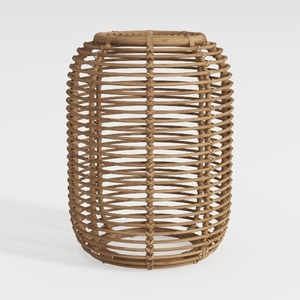
• Pedestal Drum: Featuring a weighted base for stability and a sleek silhouette. In compact areas, aim for a 15–18 inch diameter. Closed designs promote a more organized appearance, while fluted or ribbed textures add visual interest without excessive detail.
• Tripod Round: Three-legged tables that accommodate uneven flooring while maintaining an airy feel. Best paired with seating heights of 17–19 inches, with tables ranging from 18 to 21 inches. Look for a slight bevel to prevent items from rolling off.
• Slim Rectangle with Shelf: Featuring a 10–12 inch wide top coupled with a lower shelf ideal for remotes and chargers. This design works well beside snug lounge chairs. Consider incorporating a wire grommet and cable clip below the table to keep cords out of sight.
Scale, Reach, and Visual Balance
End tables should facilitate small movements—setting down a drink or reaching for a book—without straining the shoulder. I align their edges to be within one to three inches of the seat arm to keep reach comfortable. Visually, I create a rhythm by balancing one solid form (like a drum table) with one lighter form (such as a tripod table). If artwork and shelving are visually busy, a smooth, matte finish can help calm the overall look.
Storage-Friendly Selections
• Drawer Cube: A compact drawer (2–3 inches high) designed for storing remotes and medications, paired with a 16-inch square top. Opt for soft-close mechanisms to prevent rattling against thin walls.
• Open Shelf Round: This split-level design allows reading materials to be stored on the lower tier; avoid overloading to maintain adequate legroom. Ideal for small homes where every inch is valuable.
Materials and Eco-Friendliness
In compact areas, wear tends to be more noticeable. I prefer solid oak or ash for their resistance to dents, powder-coated steel for its minimal upkeep, and high-pressure laminate for zones prone to spills. When sourcing new pieces, I look for FSC-certified woods and durable finishes with low-VOC lacquers. For long-term usability, I recommend choosing replaceable glides and considering modular bases that can be repaired.
Light, Glare, and Surface Treatments
High-gloss surfaces can reflect too much light and create distracting reflections, particularly under spotlights. A satin or matte finish enhances visual comfort. Pair end tables with small-shade lamps (8–12 inches in diameter) and warm white bulbs rated around 2700–3000K for cozy evenings. If nighttime reading is a priority, using dimmable lamps can help target the recommended task lighting levels without overwhelming the space.
Safety and Circulation Patterns
I ensure clear pathways of 30 to 36 inches, even in compact rooms. Rounded table edges help minimize injury risks in tight spots. Heavier table bases promote safety in homes with children or pets; it's wise to avoid unstable pedestal designs in busy areas. When arranging a compact seating layout, an interior layout planner can help visualize spacing and cable management: interior layout planner.
Color Psychology in Small Spaces
If a room feels cramped, cooler tones (like smoke gray and pale blue) can help it appear more spacious. Warm accents (such as walnut and terracotta) provide grounding near seating. Maintain a balanced color palette by incorporating one warm end table in a cooler room, or vice versa. This subtle contrast helps establish focal points without adding visual clutter.
My Recommendations: Small End Tables That Make a Big Impact
• 14–16 inch Round Tripod in matte powder-coated steel: Lightweight, stable, and visually airy.
• Slim C-Table featuring an oak top and an 11–12 inch width: Perfect for laptops; fits neatly under most sofa frames.
• Micro Drawer Cube (16 inch square) made from high-pressure laminate: Easy to clean with discreet storage.
• Fluted Drum with a 15–17 inch diameter: Rich in texture and cable-friendly.
• Nesting Pair, comprising 12 and 18 inch rounds: Flexible for entertaining without a permanent footprint.
Smart Placement Strategies
Position end tables just off the seating arm to ensure cushions remain unblocked. In bay windows or confined corners, angling the table 10 to 15 degrees can help improve traffic flow and soften harsh corners. If a space receives a lot of daylight, keep reflective objects away from the main window to avoid glare.
Care and Durability
Employ felt glides to safeguard floors, coasters for surfaces, and cable clips beneath tabletops. For matte finishes, clean gently with microfiber and mild soap, steering clear of abrasive materials. For metal frames, quarterly inspections of fasteners can prevent wobbling.
Frequently Asked Questions
Aim for a tabletop dimension between 13 and 18 inches in diameter (or width) and a height that aligns within one to two inches of the sofa arm for optimal reach and usability.
For particularly tight spaces, yes. A C-table conveniently slides under the sofa, providing usable surface area without occupying floor space—perfect for laptops and snacks.
Living areas typically benefit from 10 to 20 foot-candles, with 20 to 50 foot-candles recommended for reading. A small shade lamp paired with a warm white bulb (2700–3000K) is usually sufficient for adequate lighting.
Solid woods like oak or ash, along with powder-coated steel and high-pressure laminates, are resistant to dents and spills. Veneers work well too, provided they are protected with coasters and cleaned gently.
Opt for models with a small drawer or lower shelf, maintain a habit of keeping no more than two items on the tabletop, and route cables underneath with clips.
Round tables soften movement areas and lessen the likelihood of bumps. Square designs maximize edge-to-edge space against a wall. In extremely tight settings, a small round or rounded-square piece often feels more inviting.
Keep pathways clear at 30 to 36 inches. Avoid installing unstable bases close to door swings or major traffic areas.
Cool, low-saturation finishes visually recede, making the area appear larger. Matte surfaces lessen glare and visual congestion in comparison to glossy finishes.
Absolutely. A set featuring a 12-inch and an 18-inch round can separate for visitors while stacking away during regular days, providing flexibility without requiring much floor space.
Any time movement is restricted or glare from lamps presents a problem, utilizing a layout simulation tool can help you visualize dimensions, sightlines, and cable routes to avoid returns.
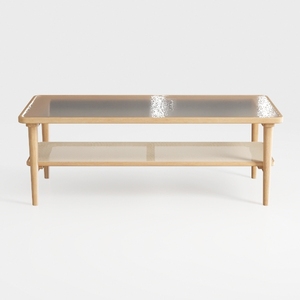
VECELO Coffee Table with 2-Tier Storage Shelf X-Fr
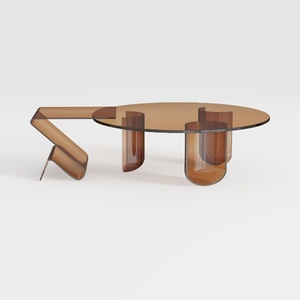
Round Coffee Table Modern Glass Coffee Table with
Discover the power of Homestyler, an exceptional online home design platform. With its intuitive design tool, stunning 3D renderings, and an abundance of DIY video tutorials, you can effortlessly create your dream space. Whether you're a novice or expert, Homestyler inspires creativity in every design project!
Projete agora para LIVRE
































