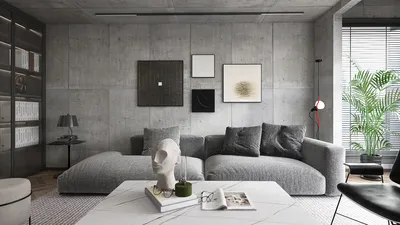


In recent times, I've observed a delightful revival of French country living room designs — envision rustic wooden beams, soft linen fabrics, and a cozy warmth reminiscent of a tranquil countryside escape. As a designer, I've discovered that limited spaces often spark innovative ideas, which I've integrated into many of my renovation projects. Today, I will share 10 of my favorite concepts, merging personal experience with professional insights, that can convert even a modest area into a charming French country sanctuary. Plus, using tools like Homestyler can help visualize these designs effortlessly.
1. Neutral Linen Sofas with Ample Cushions
My Perspective: Linen sofas are my favorite choice for immediately creating a relaxed yet elegant French country ambiance. I've utilized them in both urban apartments and rural cottages, and they seamlessly fit in every environment.
Advantages: This breathable fabric is versatile for all seasons, and when paired with pastel or floral cushions, it enhances that rustic charm. According to Architectural Digest, linen retains its texture beautifully over time.
Disadvantages: It tends to wrinkle easily — yet some clients appreciate this as part of its character. Additionally, it requires gentler cleaning compared to synthetic options.
Suggestion: Opt for removable, washable covers to ensure longevity and ease of maintenance.
2. Distressed Wooden Coffee Tables
My Perspective: I once transformed an old barn door into a coffee table, which became the centerpiece of the living room. The imperfections on the table convey a rich history.
Advantages: Such tables are durable and sustainable when upcycled, and their patina provides authenticity. They also serve as ideal bases for layering with candles or decorative runners.
Disadvantages: They can be cumbersome to move; uneven edges might necessitate a glass top for practicality.
For additional inspiration on creating wood-rich and inviting setups, explore this curated project I often reference.
3. Vintage Armoires as Statement Pieces
My Perspective: In one Paris-inspired residence, a hand-painted armoire served as both storage and artwork. It’s the type of feature that truly defines the room.
Advantages: They offer ample storage while presenting timeless beauty; the craftsmanship typically surpasses that of modern mass-produced furniture.
Disadvantages: Their large size can dominate smaller areas; custom delivery may be needed to navigate through doorways.
4. Exposed Wooden Beams
My Perspective: Even faux beams can evoke a cottage-like warmth. I added them during a remodel of a 1920s home, and the transformation was immediate.
Advantages: They enhance architectural appeal and visual intrigue. They work wonderfully in both high and low ceilings, especially in open-plan arrangements.
Disadvantages: Installation can require significant labor, and natural beams may necessitate ongoing treatments for pest control.
5. Stone or Brick Fireplaces
My Perspective: The sound of a crackling fire against a rustic stone setting brings back memories of cozy winter nights in Provence.
Advantages: Natural materials add a tactile richness and warmth and are highly regarded for their charm in resale value.
Disadvantages: They often necessitate professional installation and can be expensive if using authentic stone.
Balancing a fireplace with a well-thought-out seating arrangement guarantees both comfort and functionality in a compact living space.
6. Soft Pastel Walls
My Perspective: A touch of duck egg blue or warm beige creates the perfect backdrop for French country decor — I've witnessed it make even city apartments feel serene and rural.
Advantages: It visually expands the area; pastel tones are known to enhance relaxation (source: color psychology studies).
Disadvantages: Lighter shades may show dirt or scuff marks more easily compared to darker colors.
Suggestion: Consider matte finishes for a velvety appearance that softly reflects light.
7. Layered Textiles and Throws
My Perspective: I love mixing plaid blankets with airy cotton throws — this blend of textures adds both depth and comfort.
Advantages: Instantly, this approach makes a room feel inviting; it allows for easy seasonal updates without hefty investments.
Disadvantages: Excess layering can lead to clutter; light materials may fade with direct sunlight exposure.
8. Antique Mirrors with Ornate Frames
My Perspective: I've procured gilded mirrors from flea markets in Lyon that have transformed blank walls into sources of light and elegance.
Advantages: They reflect light, making spaces appear larger; intricate designs instantly elevate the luxury of a room.
Disadvantages: Authentic antiques can be expensive; frames may require careful restoration.
Combining a gilded mirror with a mixture of rustic and elegant decor can achieve the perfect French country harmony.
9. Botanical Prints and Wall Art
My Perspective: I have a particular fondness for pressed flower artwork — it is subtle yet deeply connected to nature.
Advantages: It’s an economical way to personalize your space; botanical prints can mirror the local flora of various French regions.
Disadvantages: It requires thoughtful arrangement to avoid an overly busy appearance.
10. Mix of Wood and Iron Accents
My Perspective: Wrought iron curtain rods paired with wooden side tables create a balanced, authentic environment.
Advantages: This combination merges strength with organic warmth. Metal elements introduce a touch of industrial contrast.
Disadvantages: Overusing this combination may make the space feel heavy; balancing with soft furnishings is essential.
Conclusion
In my view, a French country living room embodies not perfection, but warmth, individuality, and thoughtful design choices. Limited spaces should not be seen as obstacles — instead, they provide opportunities for mindful creativity. As noted by Elle Decor, the magic often lies in layering textures and incorporating heirloom pieces. Which of these 10 ideas are you eager to implement first, perhaps with the aid of Homestyler to visualize your plans?
FAQ
1. What characterizes a French country living room?
It merges rustic elements like timber and stone with elegant features such as intricate mirrors and soft textiles, creating a casual yet refined ambiance.
2. How can I make a compact living room feel French country?
Utilize light pastel walls, multifunctional furnishings, and vintage accents to foster an open yet character-filled space.
3. Are French country and farmhouse designs synonymous?
Not exactly. While both styles favor rustic allure, French country typically includes more ornate features and gentle color schemes.
4. Which colors are most effective?
Commonly seen are warm neutrals, creams, and soft blues or greens, according to color trend studies.
5. Is French country design still in vogue in 2024?
Absolutely, especially in smaller homes where cozy, timeless aesthetics are cherished (source: Houzz 2024 trends).
6. Can contemporary furniture be integrated into a French country space?
Certainly. Pairing simple modern pieces with rustic accents results in a harmonious look.
7. Where can I locate budget-friendly French country furnishings?
Flea markets, vintage shops, and even online platforms offer unique treasures.
8. What is the budget range for decorating in this style?
It varies widely — you can begin with details like textiles and art for under $200, or invest in statement pieces for a complete makeover.
What began as an Autodesk innovation has evolved into a design platform used by more than 18 million people around the globe. Homestyler combines powerful rendering, an intuitive editor, and a vast furniture library to help you turn inspiration into photorealistic designs — whether you're redesigning a single room or planning an entire home.
Homestyler is your go-to online home design platform that makes creating stunning interiors a breeze. With its user-friendly design tool, impressive 3D renderings, and a wealth of DIY video tutorials, you'll find everything you need to transform your space into a dream home!
Projete agora para LIVRE
































