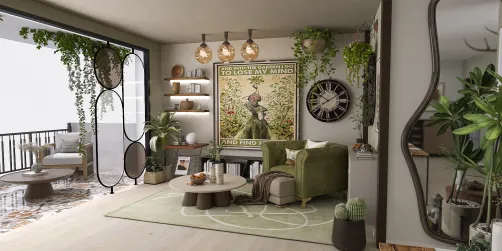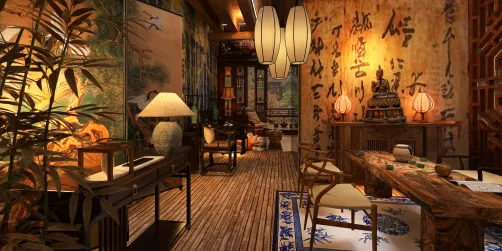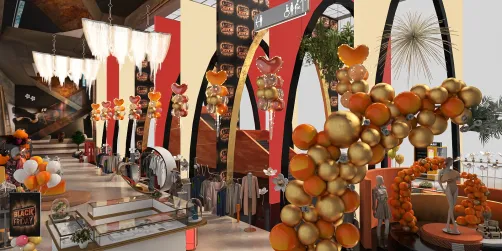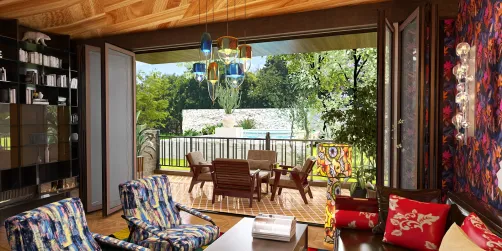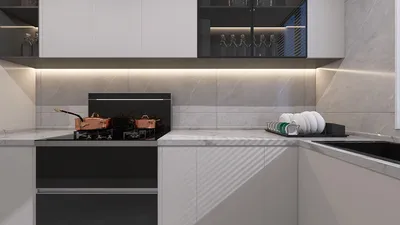
I have organized and coordinated numerous events in versatile spaces, with SSM Elite Party Hall standing out as a prime option. Its adaptability makes it suitable for everything from weddings to corporate retreats, while its layout efficiency is ideal for social gatherings and prompt turnarounds. The key to a successful event in such a venue lies in achieving the right balance between acoustics, lighting, and spatial flow—factors that guests often overlook when they are done well but feel acutely when they are not. Research by Steelcase has shown that well-designed environments can enhance guest engagement and satisfaction significantly, linking spatial arrangements with behavioral patterns; for events, this means that furniture configurations, lighting intensity, and guest movement should be tailored to the event’s agenda—rather than the opposite approach.
Getting the lighting and comfort levels right is essential. WELL v2 outlines a minimum illuminance that is crucial for performing tasks while limiting glare and disruption to circadian rhythms; its Light concept emphasizes the importance of vertical illuminance and adjustable color temperatures, promoting alertness during the day and transitioning to warmer tones in the evening for a more inviting atmosphere. Likewise, the IES advises event spaces to blend overhead lighting with controllable accent lights to illuminate faces at 200 to 300 lux during meals and increase lighting to around 300 to 500 lux for presentations. Incorporating these standards from the start can help avoid the frequent pitfall of overly bright, bland rooms that tire attendees or poorly lit areas that distort photos.
Define Your Event Objectives First
Begin with a concise and sincere brief that includes guest numbers, activity blocks, audio-visual needs, service style, and the desired emotional tone. I like to outline three key moments: the arrival (the first impression), the core experience (dining, ceremony, or keynote speech), and the conclusion (the final photo or conversation). Each moment influences the venue layout and guides lighting and sound transitions. For a corporate awards evening, you need clear sightlines from every seat and pristine audio; conversely, a special birthday party might benefit from a cozy lounge atmosphere that encourages movement from the bar to the dance floor without congestion.
Space Planning That Directs Behavior
The flow is more critical than mere square footage. I ensure a circulation space of 48–60 inches between main tables and service paths, reducing to 36 inches in areas with less traffic. Buffets and bars should be positioned away from main pathways to avoid spillovers. For a seated dinner with 150–180 guests alongside a small dance floor, I arrange tables in three arcs to keep a clear path to the stage. When experimenting with different table configurations and dance floor dimensions, using layout simulation tools like Homestyler can help visualize guest interactions and service routes long before anything is set in stone.
Lighting Layers That Capture Stunning Photos
I construct my lighting design in three layers: ambient (a consistent base), focal (for key areas like the stage or head table), and mood (using wall grazers, pinspots, and candlelight). Daytime corporate functions thrive in a neutral-white at 3500 to 4000K, while evening social events are most enjoyable between 2700 to 3000K, with a slight reduction in intensity after dinner to encourage movement towards the dance floor. Maintaining a 3:1 ratio between focal and ambient lighting helps ensure that speakers and important décor are clear in photographs without overexposing skin tones. Additionally, adding dimmable control zones for the stage, dining, and bar will prove invaluable when the presentation begins.
Sound That Fosters Connection
Achieving acoustic comfort is a pivotal yet often overlooked detail. Hard surfaces can reflect sound and elevate the overall decibel level; incorporating softer elements like drapery, carpeting, and upholstered furniture can significantly reduce echo. For speeches, it’s best to spread smaller speakers throughout the space instead of relying on a few large ones at one end, which can create echoes and make it hard to understand voices, ideally keeping sound levels around 65-72 dB. Placing the dance floor away from reflective surfaces such as mirrors and glass, along with using planters or fabric dividers in adjacent lounge areas, can help minimize noise competition with the DJ.
Seating Formats Aligned with Your Program
- Plated dinner for 120–180 guests: Use 60-inch round tables that accommodate 8–10; eight is preferable for elbow room and service accessibility. Maintain a 5-foot gap between table edges for circulation.
- Family-style: Opt for longer banquet tables (30x72 or 40x72) to smooth out service and enhance group interaction. Ensure a minimum of 18 inches between tables and chairs for guest comfort.
- Ceremony or keynote: Arrange theater seating with a chair width of 20–22 inches, providing 36-inch aisles every 10 to 12 chairs. Stagger rows for optimal visibility.
- Cocktail: Allocate 6–8 square feet for each guest; combine high tables with comfortable lounge areas to alleviate standing fatigue and create clusters for conversation.
Bar, Buffet, and Service Strategy
A single 6-foot bar effectively serves about 75–100 guests with two bartenders during peak times; for cocktail-heavy events, adding a secondary bar can alleviate queues in the first hour. Buffets are best organized in mirrored lines or U-shapes to allow for replenishment from the back. Ensure that trash, bussing stations, and any caterer preparations are out of guest sightlines but within a 30 to 45-second walk for staff. For late-night snacks, pre-arranging dimmable cues will indicate reset without striking guests as too harsh.
Color Psychology for Mood Enhancement
Color influences behavior in subtle yet powerful ways. Warm ambers and gentle blush tones promote social interaction, while cooler blues can soothe a lively audience prior to a keynote. Research from Verywell Mind indicates that blue hues often convey trust and stability, whereas red accents can energize and grab attention—employ red deliberately for significant moments like stage backdrops to ensure it stands out rather than overwhelming the space.
Material Selections and Sustainability
Choose decorative elements with a balance of texture—striking linens, warm wooden accents, and carefully chosen metallics. Emphasize energy efficiency by prioritizing LED lighting and dimmers to minimize energy demand and heat generation. Recycle floral arrangements, making use of seasonal greenery, and ensure that fabrics chosen for draping are fire rated with certificates readily available. These choices not only support sustainability but also lessen the strain on heating and cooling systems while minimizing glare and heat fatigue.
Staging, Sightlines, and AV Solutions
For gatherings of fewer than 250 people, raise the stage to 16–24 inches. At a larger scale, consider raking or steeping the stage to keep speakers connected with attendees unless ramps are provided for access. Ensure that projectors are positioned high enough to avoid obstructing views by at least 12 inches in the back row, and consider utilizing dual screens for events where columns or chandeliers might block views. Always test various microphone types—using handhelds for toasts and lavalier mics for presenters who move around. Designate a comfort zone on stage for optimal camera framing.
Timeline and Event Transitions
Start the event strong with a clear opening and a small success, like a signature drink served as guests arrive. Group speeches together into a single block, capping them at 12–15 minutes unless it’s an awards night. I recommend scheduling a lighting shift immediately following dessert to signal the start of the dance segment, allowing bar lights to gradually brighten to gently direct traffic.
Accessibility and Audience Considerations
Plan pathways with a minimum of a 36-inch clear passage and at least one 60-inch turning circle near entrances. Reserve some front-row seats for guests with mobility needs and consider having a quiet, low-stimulation area available for longer programs. Keep signage positioned between 48 and 60 inches for optimal visibility, ensuring a contrast of at least 70% between text and background for improved readability in lower light conditions.
Budget Focus Areas That Make an Impact
Allocate budget to areas where guests will notice the difference: lighting control systems, sound distribution, and comfortable seating. Then, introduce a significant element to the décor—a striking cake presentation, a dramatic floral display, or a branded backdrop on stage. Optimize the visual appeal by concentrating impact zones at focal points like the entrance, stage, and bar rather than spreading the budget too thin across the venue.
On-Site Inspection Checklist
- Verify power sources and amperage; confirm dedicated circuits for DJ/AV setups.
- Check rigging points and height clearances for lighting and sound infrastructure.
- Assess load-in pathways, elevator dimensions, and timing schedules.
- Observe sightlines from the back corners to the stage and projector screens.
- Test lighting settings at the time of the event, as daylight and evening scenes can vary considerably.
- Ensure arrangements for storing case goods and empty boxes out of guests’ view during the event.
Authority Citations
For ongoing insights into programming, engagement, and spatial fit, I frequently consult research from Steelcase: steelcase.com/research. For effective lighting that prioritizes health, the WELL v2 guidelines serve as a valuable resource: v2.wellcertified.com.
Frequently Asked Questions
Q1: What is the optimal brightness level for the hall during dinner versus dancing?
A1: Aim for 200–300 lux at table height during dinner with warm tones of 2700-3000K; then dim ambient lighting by 10-20% for dance segments while enhancing focal points on the dance floor for a lively atmosphere.
Q2: What is the most effective seating arrangement for mixed activities (toasts and dancing)?
A2: Cluster round tables in arcs that maintain a central aisle leading to the stage, with a continuous dance floor edge close to the DJ. Maintain a 5-foot clearance between table edges to facilitate movement and server accessibility.
Q3: How many bars are needed for 180 attendees?
A3: Ideally, two bars or one main bar plus a satellite can effectively reduce waiting times in the initial hour. Staff two bartenders for every 6 to 8 feet of bar for cocktail-heavy events.
Q4: What steps can I take to ensure speech clarity through sound management?
A4: Spread out smaller speakers consistently throughout the space, aiming for 65-72 dB at seating areas. Introduce soft materials, like curtains, carpets, and upholstery, to minimize echoing, and conduct sound checks with a microphone during walkthroughs.
Q5: Which color palettes are suitable for corporate versus social events?
A5: For corporate events: utilize neutral tones complemented by blue accents to enhance trust and clarity; for social gatherings: warm ambers, blushes, and candlelight create an inviting connection. Use saturated colors strategically as focal points rather than applying them as dominant hues throughout the space.
Q6: What are some quick wins for sustainability in event planning?
A6: Opt for LED and dimmable lighting fixtures, reuse containers, focus on seasonal flora, and choose fire-rated drapery available for local rental to minimize shipping and waste.
Q7: How can I enhance guest movement during cocktail hours?
A7: Position bars away from entry points, use mirrored food stations to distribute flow, and design lounge clusters to create inviting social spaces that lead guests deeper into the venue.
Q8: What is the recommended stage height for an audience of 200?
A8: A stage height of 16-24 inches is ideal, with an accessible ramp where feasible. If sightlines are obstructed by columns or fixtures, dual screens are advisable.
Q9: Is it necessary to have separate lighting control zones?
A9: Absolutely. At a minimum, distinct zones for the stage, dining, and bar area are required. This allows for seamless transitions between various activities, such as speeches, dining, and dancing, without abrupt changes.
Q10: How should I approach planning for accessibility?
A10: Ensure pathways are at least 36 inches wide, incorporate a 60-inch turning radius near essential entries, reserve aisle seating in front rows, and ensure high-contrast signage positioned around 48-60 inches for easy visibility.
Q11: What’s the safest method for estimating dance floor size?
A11: Estimate that around 35-40% of guests will dance at any given time, allowing for approximately 4.5 to 5 square feet per dancer. For 180 guests, dance floor sizes of 14x20 to 18x18 are suitable, depending on the music style and crowd dynamics.
Q12: When should I finalize the layout plans?
A12: Finalize core layout designs 10 to 14 days before the event, but allow for about 10% flexibility in seating arrangements. Utilizing tools like Homestyler can facilitate last-minute adjustments without disrupting service pathways.
Discover the power of Homestyler, the ultimate online home design platform! With a user-friendly design tool, stunning 3D renderings, and an array of inspiring design projects and DIY tutorials, you’ll transform your living space effortlessly. Unleash your creativity today!