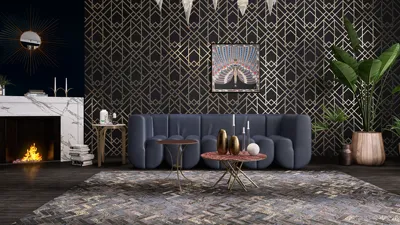


Expert Tips for Applying Polyurethane on Hardwood Floors
Achieving the perfect polyurethane finish on hardwood flooring involves meticulous surface prep, selecting the ideal applicator, applying thin coats evenly, and gently sanding between each layer. Experts often favor T-bar or microfiber applicators to ensure consistent coverage, allowing adequate drying time and light sanding to produce a flawless, durable surface free from streaks or bubbles.
Key Takeaways at a Glance
Understanding the Art of Polyurethane Application
Over my years renovating hardwood floors, I've realized that polyurethane application is the step where many promising projects falter. Even with flawless sanding and beautiful wood, incorrect finishing techniques can leave unsightly brush marks, bubbles, or uneven gloss.
Many homeowners seek a quick fix to smoothly apply polyurethane, but the secret lies in a series of detailed choices—from preparation and tools to application methods and timing.
One frequently missed tip is planning the workflow before starting. Mapping the floor layout in advance helps avoid stepping on wet finishes, especially in complex rooms. Tools like Homestyler enable visualizing room designs, helping determine the safest working direction before applying the finish.
This article explores professional polyurethane application practices that yield even, long-lasting hardwood floor finishes.
Preparing Hardwood Floors for Polyurethane Application
Critical Insight: Most polyurethane finish failures originate from inadequate surface preparation, not the product itself.
Prior to finishing, floors must be thoroughly cleaned, uniformly sanded, and free from dust or oils. Tiny dust particles can form bumps that become visible after curing.
From extensive renovation experience, neglecting preparation is the most prevalent mistake since floors often appear ready but have hidden imperfections magnified by polyurethane.
Preparation best practices followed by specialists:
According to the National Wood Flooring Association (NWFA), surface contamination strongly contributes to adhesion failure in polyurethane finishes.
Selecting the Ideal Applicator for Polyurethane
Critical Insight: The choice of applicator influences the smoothness and consistency of polyurethane distribution.
Various tools produce different film thicknesses and textures. After experimentation, professionals predominantly prefer T-bar applicators or microfiber pads for their ability to evenly spread finish over expansive areas.
Common polyurethane applicator options evaluated:
Contrary to popular belief, pricy brushes don't guarantee superior results. Mastering application technique outweighs tool cost for consistent finishes.
Managing Drying Time and Recoat Scheduling
Critical Insight: Allowing sufficient drying time between coats is essential to avoid defects such as cloudiness or peeling.
Many DIYers fail due to applying subsequent coats before prior ones have dried, trapping solvents and compromising the finish.
Typical recommended drying and recoating intervals:
Humidity plays a significant role, often necessitating extended drying periods in moist climates.
For those coordinating finishing with design updates, tools like Homestyler assist in previewing room layouts and floor plans before beginning, streamlining the process.
Applying Thin and Even Polyurethane Coats
Critical Insight: Applying thin, controlled coats aligned with the wood grain ensures the most refined and durable finish.
A common beginner error is rushing by applying thick layers, which leads to bubbles, sagging, and uneven gloss.
Standard professional application approach includes:
Lighting is another often ignored factor. Pros use low-angle lighting to expose streaks and imperfections while the finish is still wet.
Sanding Between Polyurethane Layers
Critical Insight: Gentle sanding between coats enhances adhesion and smoothens minor flaws.
Sanding is misunderstood as removing the finish, but it actually creates fine scratches to help the next layer bond effectively.
Recommended procedure for sanding between coats:
Skipping sanding often results in peeling or inconsistent gloss after several months.
Summary of Effective Polyurethane Application
Combining thin coats, proper drying, and light sanding applied with T-bar or microfiber tools produces streak-free, long-lasting hardwood floor finishes.
Professional Finish Tips for Homeowners
Critical Insight: Achieving a professional appearance relies heavily on environmental control and careful technique, beyond just premium materials.
Years of interior remodeling have revealed subtle nuances that differentiate amateur results from expert finishes.
Key recommendations for professional results:
When planning a comprehensive interior refresh along with flooring, visualizing entire space layouts with tools like Homestyler helps align furniture arrangement and finishing schedules.
Frequently Asked Questions
1. What is the best method to apply polyurethane on hardwood floors?
Use thin coats applied with a T-bar or microfiber applicator following the wood grain, keep a wet edge, and sand lightly between layers.
2. How many polyurethane coats are recommended on hardwood floors?
Professionals typically recommend three coats for optimal durability and sheen.
3. How can brush marks be prevented during application?
Employ microfiber rollers or T-bar applicators, applying thin coats while maintaining a continuous wet edge.
4. Should you sand between polyurethane layers?
Yes, perform light sanding with fine grit (220–320) to enhance adhesion and eliminate dust.
5. How long must polyurethane dry between coats?
Water-based finishes dry within 2–4 hours, whereas oil-based types might need 8–12 hours.
6. Is it acceptable to apply polyurethane with a roller?
Yes, microfiber rollers are popular for water-based polyurethane on hardwood floors.
7. What causes polyurethane to appear cloudy?
Cloudiness usually results from applying coats before drying or from high humidity levels.
8. What temperature range is best for applying polyurethane?
Manufacturers generally advise 65°F to 75°F for optimal curing conditions.
References for Further Reading
National Wood Flooring Association (NWFA) Installation Guidelines
U.S. Forest Products Laboratory Wood Finishing Handbook
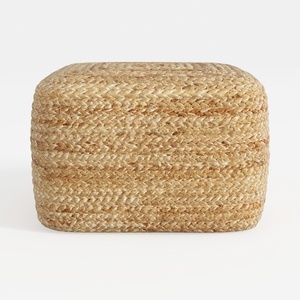
Natural Rattan Woven Square Ottoman 3D Model
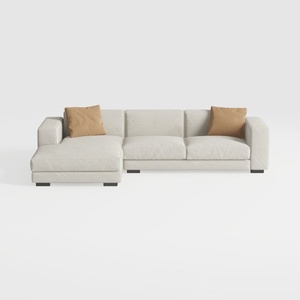
Minimalist Fabric L Shape Sectional Sofa with Throw Pillows 3D Model
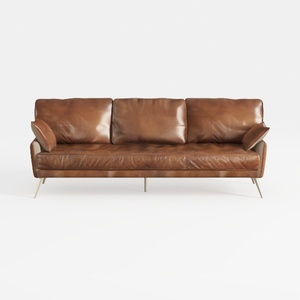
Modern Vintage Leather 3 Seater Sofa With Metal Legs 3D Model
Homestyler offers an easy-to-use online design tool paired with stunning 3D renderings, extensive interior projects, and helpful DIY video tutorials. It’s perfect for turning your home design ideas into reality, whether you’re a beginner or a seasoned decorator.
Projete agora para LIVRE
































