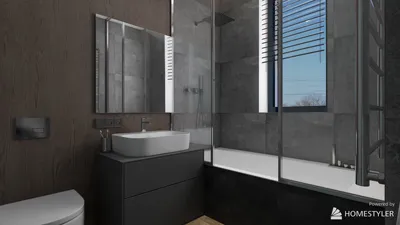


Over the years, I've installed an impressive number of door-mounted mirrors in apartments, cozy homes, and stylish boutique hotels. A well-placed door mirror serves as both a decorative element and a functional tool for light reflection, helping to save floor space and visually enlarge compact rooms. In smaller spaces, perception is crucial: research by Steelcase indicates that reflective surfaces improve spatial awareness and light distribution, aiding comfort and navigation. Similarly, the WELL v2 standards suggest optimizing brightness and minimizing glare to alleviate visual fatigue, especially important for mirrors positioned near high-traffic areas and entry points.
Door mirrors are essential not only for decoration; they significantly affect behavior and daily activities. Studies from Herman Miller show that enhancing visibility along movement paths can facilitate smoother routines; a strategically placed door mirror on a closet or bathroom door can simplify dressing and exit processes. To ensure comfort, I adhere to IES guidelines on luminance to avoid glare: directing fixtures away from the mirror or using soft, indirect lighting can help mitigate brightness when the door is opened or closed.
Selecting the Ideal Mirror: Thickness, Frame Style, and Safety Features
For mirror installations on doors, I prefer using tempered glass that is 3 to 4 mm thick with a polished edge or a slim aluminum frame. Tempered glass is the safest option; it can withstand impacts and shatters into smaller, less harmful pieces if broken. Beveled edges add a traditional flair, while a thin box frame safeguards corners from being damaged by surrounding furniture. When using hollow-core doors, it's best to limit the weight to around 6 to 7 kg to avoid straining the hinges. Solid-core doors can bear slightly more weight, but it's still wise to distribute it effectively across multiple mounting points.
The color quality of lighting is crucial since mirrors are generally used for grooming and checking outfits. Make sure that the lighting situated close to the mirror achieves a Color Rendering Index (CRI) of around 90, and provides a warm-neutral color temperature between 3000 to 3500 K to maintain natural skin tones. When natural light is available, position reflective surfaces to enhance light flow deeper into the space while ensuring the mirror is out of direct sunlight to minimize glare.
Mounting Options: Adhesive, French Cleat, or Slim Frame
The choice of mounting method depends on the type of door, how frequently it will be used, and the size of the mirror:
- High-bond adhesive strips: Ideal for rental situations and lightweight mirrors. Make sure to clean the surface thoroughly and create a grid for load distribution. Avoid using over-door hooks if there’s limited clearance—they can rattle and damage the paint.
- French cleat: This is my preferred method for larger mirrors as it securely attaches the mirror to the door while distributing weight evenly. Adding felt buffers at the base can help reduce any vibration noise.
- Slim metal frame (screw-mounted): Best suited for mirrors requiring edge protection. Use short screws that align with the door's stiles or include a plywood backer to catch screws without protruding through.
When experimenting with different door or closet placements, a layout simulation tool like Homestyler can help visualize swing space and reflection areas before you finalize your installation.
Human Factors and Height: Finding the Perfect Vertical Position
I usually position the bottom of the mirror approximately 90 to 100 cm from the floor in bedrooms, allowing most users to see a full reflection, and place mirrors slightly higher in bathrooms to avoid water splashes. Keep human dimensions in mind: average eye levels for standing adults range from 157 to 165 cm, so positioning the mirror's midpoint around this height creates a comfortable viewing experience. In shared living situations, I opt for tall, narrow mirrors (30-40 cm wide by 150-170 cm high) to accommodate various heights without overburdening a hollow door.
Managing Glare and Achieving Lighting Unity
Mirrors amplify any light that strikes them. I adhere to IES standards, steering clear of direct lighting that targets the mirror surface. Instead, I prefer wall sconces positioned 60 to 90 cm on either side or overhead fixtures with diffused lenses. If there's a glossy floor, check for secondary reflections that might introduce visual discomfort. Creating a soft ambient lighting layer with temperatures between 3000 to 3500 K, combined with task-specific lights, helps to prevent harsh contrasts associated with visual strain, as highlighted by the WELL v2 standards. A simple test: during dusk, stand in front of the door and observe any harsh reflections, then adjust until they're softer.
The Impact of Color Psychology: Frames, Surroundings, and Atmosphere
The frame around a mirror significantly affects its presence. Matte black offers a sharp contrast for contemporary settings; conversely, warm bronze or aged brass harmonizes beautifully with earthy tones to evoke a more serene ambiance. Insights from Verywell Mind illustrate that warm colors foster a sense of welcome; I often balance a cool gray door with a warm metal frame to counteract a sterile appearance. In constricted hallways, a pale door hue around the mirror can help reduce visual clutter, creating an illusion of spaciousness.
Vibration, Noise, and Door Movement
A mirror can create noise if it makes contact with the door. To mitigate this, I apply thin neoprene pads at the corners and a continuous foam strip along the bottom edge. Installing soft-close hinges and magnetic catches can help minimize slamming. It's essential to leave at least 5 cm of space from adjacent walls when the door swings; if there's minimal clearance, opt for a narrower mirror to prevent edge chipping.
Storage Solutions: Hooks and Concealed Shelves
In areas where space is limited, I integrate minimalist storage within the mirror frame—concealed hooks for scarves or a recessed shelf measuring 15-20 mm for keys. Ensure that additional elements do not extend beyond 25 mm on the swinging sides to avoid making contact with trim. For closet doors, pairing a mirror with a sleek valet hook aids in outfit preparation while leaving the floor space unobstructed.
Sustainable Materials and Eco-Friendly Choices
Aluminum frames are lightweight and recyclable, while wooden frames provide warmth but require sealing in humid areas to prevent warping. Utilizing low-VOC adhesives and backing panels can minimize indoor pollution. If you have children, laminated safety mirrors are beneficial as they incorporate an extra interlayer to secure fragments in the event of breakage. I steer clear of plastic-backed films in hot bathrooms due to potential delamination over time.
Achieving Visual Harmony and Proportion
A slender vertical mirror can accentuate height in shorter spaces, while a wider mirror across double doors can appear overwhelming. Keep a margin of 6 to 10 cm from the door edges to maintain visual equilibrium and protect the corners. When aligning multiple mirrors on bifold doors, ensure the sightline is matched at handle height for consistent visual rhythm throughout the panels.
Step-by-Step Guide: Installing Your Door Mirror with Precision
1) Measure the door and confirm swing clearance. 2) Select a tempered mirror with polished edges or a framed version. 3) Determine mounting points—either a cleat or frame screws into the stiles, and add buffers at the corners. 4) Dry-fit and adjust height based on eye level. 5) Make any necessary lighting adjustments to minimize glare. 6) Install the mirror, then check for vibration by gently swinging the door. 7) Finalize the edges, clean the surface, and evaluate reflections both during the day and at night.
Ongoing Care and Usage Tips
Utilize a non-ammonia glass cleaner along with a soft microfiber cloth to avert streaks. Every few months, check that hardware is tightened and replace pads if they compress. In damp environments, ensure ventilation is running during showers to preserve frames and adhesives. Address any loosening quickly—movement of the door can exaggerate small gaps into noticeable rattles.
Frequently Asked Questions
Q1: What is the safest mirror thickness for door installation?
A1: A thickness of 3 to 4 mm of tempered glass is ideal for most residential doors, balancing weight considerations with enhanced impact resistance over standard glass.
Q2: How high should I position a full-length door mirror?
A2: Center the mirror based on average eye height (approximately 157 to 165 cm). I typically set the bottom around 90 to 100 cm from the floor to cover a full silhouette without encroaching on baseboards.
Q3: Could a mirror damage a hollow-core door?
A3: No, as long as weight is managed and load is distributed effectively. Use a French cleat or multiple adhesive points, keeping the total weight under 6 to 7 kg, and include buffers to minimize vibration.
Q4: How do I prevent glare from a door mirror near lighting fixtures?
A4: Direct lights away from the mirror, employ diffused lenses, and aim for a color temperature of 3000 to 3500 K with excellent color rendering. Following IES guidance on luminance can help prevent harsh highlights.
Q5: What frame finish is most suitable for small, dim entryways?
A5: While matte black provides sharp definition, warm bronze or brushed brass enhances warmth and reflects light more favorably, aligning with color psychology principles.
Q6: Can I opt for adhesives instead of screws for mounting?
A6: Absolutely, this works well for lightweight mirrors and rental situations. Utilize high-bond strips laid out in a grid, ensure the surfaces are clean, and consider adding pads at the base to avoid minor movements.
Q7: What can I do to stop my door mirror from rattling?
A7: Use neoprene or felt pads behind corners, consider soft-close hinges and magnetic catches to prevent slamming, and ensure a snug frame with well-distributed mounting.
Q8: Are laminated safety mirrors beneficial for households with children?
A8: Yes, they add an interlayer that holds pieces together if shattered, which is particularly important around kids. While tempered mirrors typically suffice, laminated ones offer additional peace of mind.
Q9: What is the recommended width for a closet door mirror?
A9: I usually prefer panels that are 30 to 40 cm wide for single doors, as they provide a full view without placing unnecessary stress on hinges or crowding nearby furniture.
Q10: How can I plan mirror placement without drilling beforehand?
A10: Use painter's tape to create an outline of the desired size and test door swings, or utilize an interior layout planner like Homestyler to visualize reflections and door movement before drilling.




Discover the ease of home design with Homestyler! This innovative platform offers a user-friendly online design tool, stunning 3D renderings, and a wealth of design projects and video tutorials. Whether you're a beginner or a seasoned DIYer, you can effortlessly transform your space into a dream home.
Projete agora para LIVRE
































