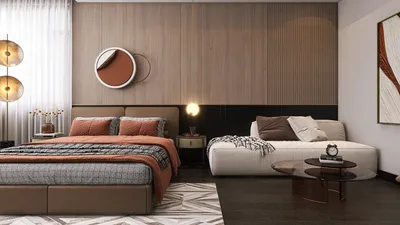


I once transformed a tiny studio by painting a striking navy accent wall because the client desired ‘more character’—only to realize we nearly made the space feel smaller. That experience taught me that paint is like a magic trick; it can either enhance or detract from a space, and often the distinction lies in strategy rather than mere courage. To truly grasp how color choices impact spatial perception, I prefer to use a 3D visualization tool like Homestyler before making any commitments—this has saved me from at least three expensive repainting mishaps.
1. Opt for a light, warm base to reflect natural light
In small rooms, I recommend using warm off-whites or very pale creams since they reflect daylight beautifully and create a soft ambiance. This choice is not just a safe bet; these colors tend to conceal minor wear, blend seamlessly with wooden tones, and help furniture appear more subdued, making the room feel more spacious. However, they can come off as dull if everything else around them is neutral, so it’s wise to introduce texture or a single darker accent to prevent a flat appearance.
save pin
2. Paint the ceiling a shade lighter than the walls
A small yet effective trick for low ceilings is to paint the ceiling one or two shades lighter than the walls instead of using stark white. This slight contrast tricks the eye into noticing height without the overwhelming brightness of pure white. It’s a subtle and cost-effective approach, though if your ceiling has imperfections, a very light finish can make them more visible—so preparation is crucial.
save pin
3. Adopt a monochromatic palette for continuity
Sticking to shades of the same color—such as soft greys or muted greens—creates a visual flow that can make spaces appear larger, as there are fewer abrupt interruptions for the eyes. I frequently sketch ideas and use design software like Homestyler to quickly visualize how furniture interacts with color across different areas. Although monochromatic schemes can sometimes feel monotonous, layering various materials and finishes keeps the aesthetic intriguing while maintaining an open feel.
save pin
4. Wisely use high-gloss trim with satin walls
Using high-gloss trims and fixtures that direct light back into the room can create an impression of depth, while satin or eggshell finishes on the walls keep reflections understated. This combination delivers a refined and upscale feel without stretching the budget too much. However, glossier surfaces are prone to revealing imperfections, so if your trim isn't flawless, you may need to invest additional time in preparation or touch-ups.
save pin
5. Implement strategic accent walls and vertical lines
A single vertical accent—such as a slim painted panel or darker stripe—can draw attention upward and highlight height. I steer clear of fully dark walls in smaller rooms, but a carefully placed vertical band or a muted darker tone behind shelving can feel dramatic while expanding perception. If you have a narrow kitchen, learning to optimize the layout alongside color choices can create a surprisingly spacious feel.
save pin
FAQ
Q1: What paint colors make a room appear larger?
Light, warm neutrals—like soft whites, creams, and pale greiges—tend to open up spaces by reflecting more light. Cooler light tones are effective too, especially in well-lit rooms; testing paint samples at various times of day is advisable.
Q2: Is glossy paint preferable for small rooms?
Glossy finishes reflect more light and can enhance perceived depth, though they do highlight imperfections. Use gloss selectively on trims or accent areas, while opting for satin or eggshell finishes on walls to strike a balance.
Q3: Must ceilings always be white to appear bigger?
Not necessarily. A ceiling that is slightly lighter than the walls can create an illusion of height without the starkness of bright white. This effect is subtle yet effective.
Q4: Can dark hues ever make a small room feel more expansive?
If used strategically—like with a dark recessed wall or alcove—dark shades can indeed create depth. However, overusing deep colors can make a room feel cramped. For the best outcomes, pair them with lighter surrounding tones.
Q5: How does lighting influence paint perception?
Lighting dramatically alters how paint appears: natural light reveals undertones, while warm bulbs create a cozier effect. Always test paint samples in your room's actual lighting before making a decision.
Q6: Any advice for selecting paint undertones?
Hold large color swatches against different walls and observe them in both morning and evening light; undertones become more apparent over time. If unsure, opt for a neutral paint with subtle warm or cool hints that complements your furnishings.
Q7: Are there trusted resources on color and light?
Absolutely—paint manufacturers and color specialists offer valuable guides. For instance, Benjamin Moore provides comprehensive insights on how light influences perceived color (source: https://www.benjaminmoore.com/en-us/color-overview/color-and-light).
Q8: How can I test paint without committing to painting an entire room?
Purchase sample pots and apply 2x2 foot swatches on various walls, monitor them throughout the day, and live with the samples for a few days. This low-cost testing method can prevent expensive repainting later on.
save pin
Looking to transform your home? Homestyler is your go-to online design platform! With its user-friendly design tool, stunning 3D renderings, diverse design projects, and helpful video tutorials, you can effortlessly create and visualize your dream spaces. Start designing today!
Projete agora para LIVRE
































