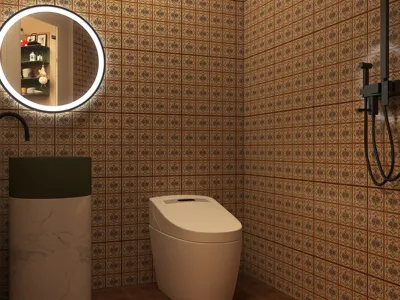


I once faced a challenging weekend after applying the wrong tape on my freshly painted compact balcony, leading to a tedious paint scraping session on the balusters. It was a lesson learned the hard way. Now, I treat every painted surface with utmost care: always test first, handle gently, and think ahead about removal. If you're someone who appreciates visual examples, I love to combine my notes with a 3D rendering using Homestyler to visualize how tape lines will appear on varied paint textures.
1. Low-tack painter's tape for gentle finishes
When working with fragile or newly cured paint, I rely on low-tack painter's tape, specifically designed for delicate surfaces. It provides a firm hold that ensures clean lines while being made to remove easily without damaging the paint. However, it may not adhere well to very textured surfaces, so allowing extra time for it to set is essential.
save pin
2. Paper masking tape with mild adhesive
Paper masking tape strikes a good balance between grip and gentleness, while also being affordable for testing in several areas. It works perfectly for short-term projects and budget-friendly tasks, although it can curl up on high-humidity days, leading me to recommend doing smaller test patches and removing it quickly after painting.
save pin
3. Foam-backed edge tape for uneven surfaces
For surfaces with significant texture or bumps, foam-backed tapes provide an effective seal that prevents paint from bleeding under the edges. While they tend to be a bit more expensive and bulkier, they save considerable time on cleanup; just remember that fitting the pieces carefully may be needed for tidy corners. I often refer to kitchen layout examples from previous projects in Homestyler to assess how these tapes interact with cabinets and trim.
save pin
4. Low-adhesion plastic film tapes (protective film)
Protective film tapes have a light adhesive suitable for covering painted areas. They offer great temporary protection during renovation tasks and are less likely to stick onto surfaces permanently. However, because they depend on static and light tack, applying them in dusty or oily conditions can be problematic—so always clean your walls beforehand and apply with firm pressure.
save pin
5. Test strip + slow-heat removal technique
A fantastic tip I've picked up is to use a small test strip of any potential tape and remove it slowly at a 45-degree angle. If any paint does lift, you can warm the tape's edge with a hairdryer and try peeling it again. This useful technique can be applied irrespective of the tape brand, although it requires some additional time—be sure to allow for a brief testing period for every project.
save pin
Practical tips from experience
Always conduct tests in discreet areas and allow paint to cure for as long as possible. If you're concerned about lifting, lightly score the paint edge with a new blade. It's wise to avoid leaving tape on for extended periods unless the manufacturer suggests it’s safe. From a budgeting perspective, investing in a quality low-tack tape can often be more economical than fixing paint errors, so I typically don't hold back on this purchase.
save pin
FAQ
Q1: What is the safest tape for freshly painted surfaces?
A1: Opt for low-tack painter's tape designed for delicate finishes and always perform a test in a small area first. Allow the paint to cure as much as possible to minimize risk.
Q2: How long can painter's tape remain on painted walls?
A2: Many types of tape can remain on surfaces for up to 14 days, but delicate-surface tapes should ideally be removed within 7–14 days. Always adhere to the manufacturer's guidance to prevent adhesive bonding.
Q3: Will washi tape cause damage to painted walls?
A3: High-quality washi tape typically has a low-tack adhesion and is generally safe for brief decorative use, but may not perform reliably on textured or freshly painted areas.
Q4: What’s the best way to remove tape without peeling paint?
A4: Remove tape slowly at a 45-degree angle, use gentle heat from a hairdryer on stubborn adhesive, and if necessary, lightly score the paint edge. Taking your time is key to safe removal.
Q5: Are there tapes specifically designed for textured or rough paint?
A5: Certainly—both foam-backed edge tapes and specific protective films conform to uneven textures effectively and prevent paint bleed. While they can be pricier, they save significant cleanup time.
Q6: Is it wise to trust generic cheap tape?
A6: Cheap tape can vary in quality; I advise investing a bit more in tapes designed for delicate surfaces and conducting a test first to avoid costly repairs.
Q7: Are there any industry resources for tape removal guidelines?
A7: Yes, manufacturers like 3M provide technical datasheets and removal recommendations for their painter’s tapes—check 3M’s product information for detailed specifics and dwell-time guidelines.
Q8: Can I utilize heat or chemicals to eliminate old tape residue?
A8: Gentle heat from a hairdryer can safely soften adhesives; however, be cautious with harsh solvents as they may affect the paint finish, so always test them first.
save pin
What began as an Autodesk innovation has evolved into a design platform used by more than 18 million people around the globe. Homestyler combines powerful rendering, an intuitive editor, and a vast furniture library to help you turn inspiration into photorealistic designs — whether you're redesigning a single room or planning an entire home.
Looking to transform your space? Homestyler is your go-to online design platform! With its user-friendly design tool, stunning 3D renderings, and a wealth of DIY video tutorials, you can effortlessly create and visualize your dream home. Start designing today!
Projete agora para LIVRE
































