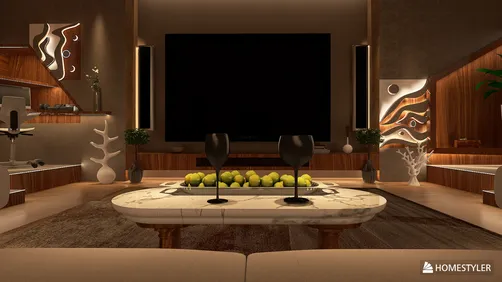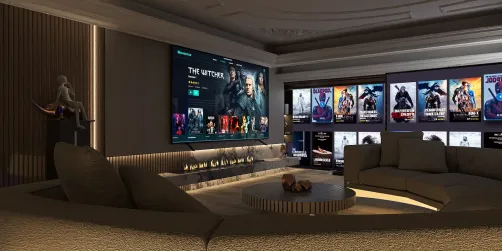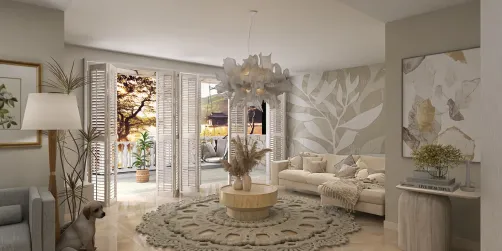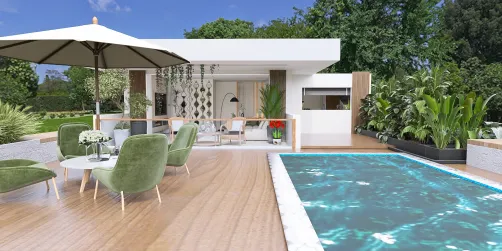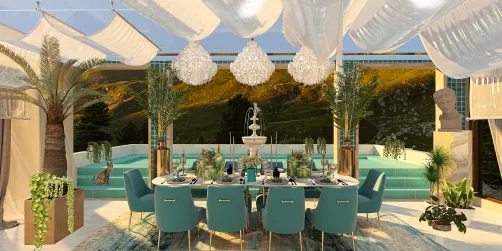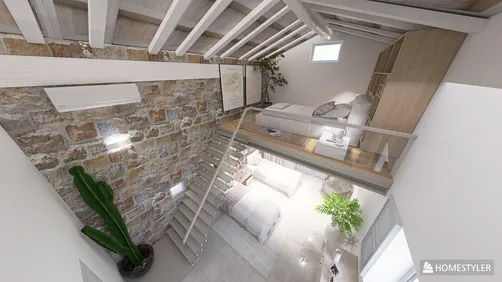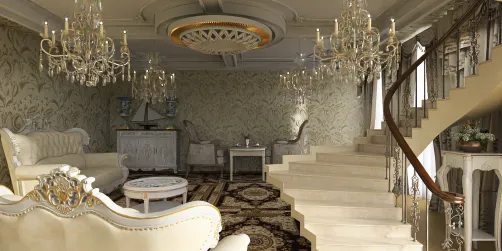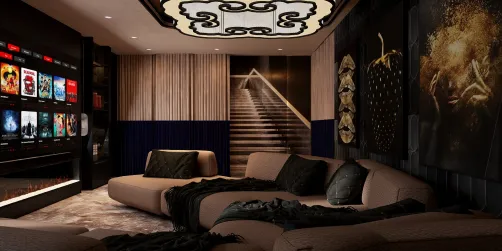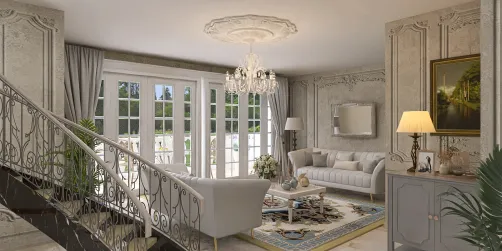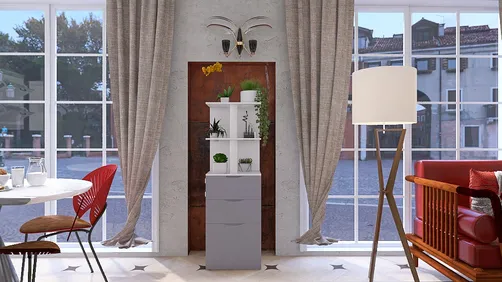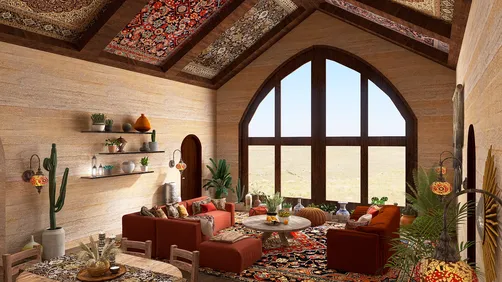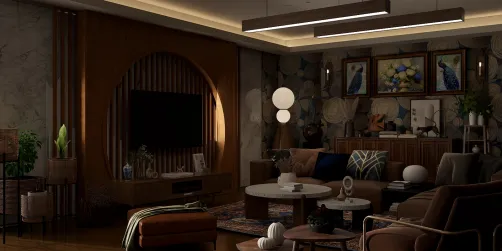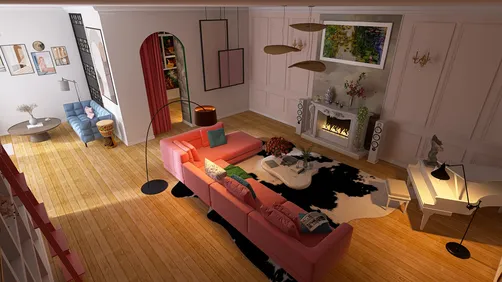
Having organized and designed numerous events in Pune, I can confidently say that Govind Garden Banquet Hall is a standout choice due to its seamless indoor-outdoor integration, impressive ceiling height, and well-balanced proportions that enhance the beauty of décor in photography. For an effortlessly elegant booking experience, establishing a proper timeline, layout, and lighting selections will significantly contribute to the overall success, much like the innovative design tool Homestyler, which can assist in visualizing spaces ahead of time.
Events that prioritize ergonomic designs and fluid layouts tend to foster longer guest engagement. Research from Steelcase indicates that environments conducive to human comfort can lead to increased overall satisfaction and longer dwell times—crucial factors for weddings and corporate events alike. When it comes to lighting, I rely on IES standards for recommended levels of horizontal illuminance; dining and social areas usually excel around 150–300 lux, while accent lighting can reach upwards of 500 lux to highlight focal décor and stages. These guidelines help create a sophisticated atmosphere at Govind Garden, avoiding an overly bright setting.
The impact of color choices on emotions is often undervalued by planners. An overview of color psychology by Verywell Mind reveals that warm shades (like red and orange) can boost energy levels, while blues and greens can bring a sense of calm—important during transitions from ceremonies to receptions. Moreover, WELL v2 emphasizes the importance of acoustic comfort and quality lighting in enhancing guest well-being, both of which can be easily adjusted in a space like Govind Garden. For insightful reading on how workplace comfort can inform event experiences, Steelcase Research is a valuable resource, reminding us that both human factors and aesthetics shape the overall experience.
Timeline and Essential Decisions for Booking
During peak season (November to February), it is advisable to secure your date 6 to 9 months in advance, with suppliers ideally locked in about 3 to 4 months ahead. I suggest finalizing a preliminary floor plan early on—including stage arrangement, dining setup, buffet or service stations, and additional lounge areas—to enable accurate budgeting for décor needs. Confirm audiovisual requirements (such as LED walls, projectors, and microphones) at least eight weeks prior to the event, as late changes can complicate power management and aesthetic considerations.
Capacity, Flow, and Proportions of Space
The spacious layout and clear sightlines of Govind Garden accommodate various seating styles: traditional banquet seating, chevron arrangements for sangeets, and mixed lounge pods for cocktail receptions. To avoid congestion near buffets and bars, ensure primary circulation lanes are at least 1.5 to 1.8 meters wide. A recommended balance includes 70% formal seating, 20% lounge areas, and 10% flexible standing spots for socializing. For ceremonies, orient the stage or mandap to utilize the longest axis, adding depth to photos while ensuring unobstructed sightlines free from equipment distractions.
Experimenting with different layouts can be simplified by using an effective room design tool, which can simulate seating arrangements, stage heights, and service pathways. Consider utilizing a room designer like Homestyler for visualizing potential setups.
Creating Layers of Lighting for an Inviting Atmosphere
I implement three distinct lighting layers: ambient, accent, and decorative. The ambient lighting typically meets the 150–300 lux standard across dining and mingling spaces. Accent lighting emphasizes floral displays, canopy structures, and photogenic backgrounds—often achieved using track lights or profile fixtures angled at 30–45° to minimize glare. Decorative lighting elements, such as pendant clusters and festoon strings, add warmth and dynamic appeal; aim for a color temperature of 2700–3000K for intimate evening events, or 3000–3500K when paired with cooler color palettes.
Controlling the lighting transition is crucial. Employing dimmers and zone control allows for a gradual fade from ceremony to dining settings, preventing any harsh alterations. Keeping beam spread consistent is essential to avoid uneven lighting in photographs, and using discreet uplighting amidst greenery can enhance depth without cluttering the view.
Addressing Sound, Acoustics, and Clarity of Speech
Large banquets often face challenges with speech clarity, especially during multi-segment events. Strategically placing full-range speakers at either side of the stage and positioning smaller delay speakers throughout the audience area can help achieve a balanced sound level, preventing overwhelming volumes in the front rows. Incorporating soft materials such as fabric drapes, carpets, and upholstered seating can help mitigate sound reverberation. When employing an LED wall, avoid positioning high-SPL speakers against reflective surfaces; angling the sound systems slightly can diminish echo effects.
Cohesive, Photogenic, and Practical Decor Strategy
Develop a color scheme around a standout texture and a complementary accent color. In Govind Garden, a typical combination I favor is rich botanical greens paired with metallics like brushed gold or champagne, along with a single pop of color—like deep marigold or soft blush, depending on the theme. Maintain visual rhythm by varying the heights of décor: low florals on tables, medium lanterns along pathways, and prominently displayed vertical installations at the stage. Employ matte finishes for truss facias to prevent distracting highlights in photography.
Consider sustainability in your décor choices: prioritize reusable elements (such as modular arches and fabric backdrops), select locally sourced floral arrangements, and use battery-operated LEDs to minimize strain on electrical resources. Authenticity is appreciated; incorporating handwoven textiles and locally crafted items can enhance the event’s character without expanding the budget excessively.
Seating Arrangements: Comfort and Ergonomics
Round tables (60 to 72 inches) comfortably seat 8 to 10 people; ensure that chair spacing maintains approximately 50 to 55 cm to avoid discomfort during dining. Generous aisles between table clusters are necessary to accommodate traditional attire like sarees and lehengas without risk of entanglement. When integrating lounge seating with banquet arrangements, position lounge pods at the perimeter to ensure clear sightlines during rituals and performances.
Stage and Mandap Positioning
Set the stage height between 18 to 24 inches to enhance visibility while avoiding obstruction. Position the mandap forward enough to facilitate ample space for photographers in the back, ensuring they can capture symmetric shots effectively. Concealed cable management beneath skirting keeps the appearance tidy and safe.
Catering Arrangements and Guest Flow
Place buffets along the sides rather than at the far end to facilitate two-sided service, significantly reducing wait times. For live cooking stations, directing heat and smoke towards outdoor areas and positioning exhaust away from main seating can improve guest comfort. Beverage stations and dessert areas work best in high-traffic zones to encourage movement without blocking key sightlines.
Electrical Planning, Safety, and Vendor Alignment
Establish power requirements early on—considering LED walls, moving lights, sound systems, and catering equipment. Segregating circuits for audio and lighting systems is crucial for minimizing interference. Implementing rubber mats at essential pathways, utilizing fire-retardant drapes near heating equipment, and maintaining clear emergency exits are critical safety measures. Circulate a detailed schedule to all vendors two weeks prior to the event to mitigate last-minute conflicts between catering services, performances, and photography assignments.
Key Photography and Content Areas
Designate a primary photo area (such as a floral arch or backdrop) along with two secondary zones (like a lounge area and guest book setup). Using side lighting at angles of 30 to 45 degrees can enhance skin tones and depth; avoid harsh backlighting which may obscure details. Ensure that monograms or branding are scaled appropriately—visible from a distance but unobtrusive within the frame.
Budget Planning and Value Engineering
Allocate roughly: 35 to 45% to décor and lighting, 30 to 40% for catering, 10 to 15% for entertainment, 5 to 10% for audiovisual/photography, and set aside 5 to 8% as contingency. Streamlining rental agreements with fewer vendors can lead to package discounts, and repurposing ceremony florals for reception tables can maximize resources whenever feasible.
Sample Layout Suggestions
For a reception accommodating 300 to 400 guests, position the stage centrally against the long wall, set dining rounds in four clusters with two main aisles, place lounge pods in the corners, and split buffets laterally with a conveniently positioned bar for outdoor access. Set accent lighting on the stage and key decorative elements, maintain ambient lighting around 200 to 250 lux for seating areas, and use warm string lights along the garden edges. Utilize a digital layout planner like Homestyler to visualize counts and power distributions effectively.
Vendor Coordination and Schedule Development
Secure the venue and date; confirm specifications for the stage, mandap, and backdrop; finalize seating arrangements; coordinate AV and lighting setups; align catering layouts; and plan rehearsals for performances. Maintaining a tight 10-minute buffer before each program segment will help ensure the event stays on schedule.
Credible References for Further Reading
For standards related to lighting and glare management, consult IES guidelines. To learn about human comfort principles that apply to event settings, the research library from Steelcase offers valuable insights.
Commonly Asked Questions
It is wise to book 6 to 9 months in advance for weekends in November to February. For shoulder months, a period of three to five months should typically suffice, but securing essential vendors early is prudent.
Dining and social spaces tend to perform optimally at around 150 to 300 lux ambient light. Highlight stages and feature decorations with lighting exceeding 500 lux for clarity and enhanced photography, adhering to IES recommendations.
To ensure sound clarity, distribute speaker delays across the venue instead of overwhelming front rows; incorporate soft furnishings to diminish echo; and be cautious about placing speaker arrays too close to reflective surfaces.
Combine banquet rounds for meals alongside lounge seating at the edges, maintaining 1.5 to 1.8 meters of aisle space to ensure smooth traffic flow. Chevron seating is effective for sangeet performances.
A color temperature of 2700 to 3000K creates a warm and inviting atmosphere. If your color scheme leans cooler (for instance, with white flowers or silver tones), targeting 3000 to 3500K can ensure skin tones remain natural and soft, rather than stark.
Organizing buffets laterally with dual-sided service, positioning dessert stations in circulation hotspots, and directing live cooking areas towards outdoor spaces can effectively manage heat and smoke issues.
Setting the stage height between 18 to 24 inches enhances visibility and maintains a connection between performers and their audience while allowing for easier access.
Utilizing modular designs, reusable fabric backdrops, locally sourced florals, and battery-operated LED lighting is entirely feasible. Employing matte finishes and traditional textiles can enhance the aesthetic and perform well in photographs.
Certainly! Splitting electrical circuits helps reduce noise and maintains show continuity. Plan electrical needs early and implement rubber mats to prioritize safety.
The budget should roughly allocate 35 to 45% for décor and lighting, 30 to 40% for catering, 10 to 15% for entertainment, 5 to 10% for audiovisual and photography, and a contingency of 5 to 8%. Bundling rentals with fewer vendors can yield better rates.
Position amenities off primary aisles, keeping them accessible to guests without disrupting the flow of movement. Incorporate side lighting at 30 to 45 degrees to achieve warm, flattering portraits.
Employ digital planning tools to refine seating arrangements, stage placements, and service routes, ensuring all details are solidified ahead of time to avoid last-minute adjustments.
Discover the ease of home design with Homestyler! This user-friendly platform offers a powerful online design tool, stunning 3D renderings, and an extensive collection of design projects. Plus, with DIY video tutorials at your fingertips, you can create your dream space effortlessly!