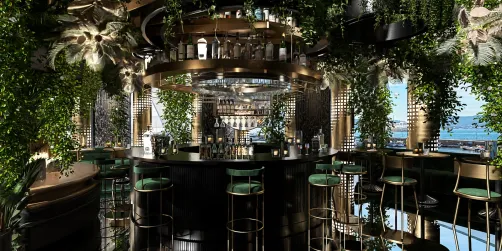
Futuristic Waterfront Living Space Design
The 'Futuristic Waterfront Living Space' is a high-concept residential interior scene that merges cutting-edge minimalism with expansive, light-filled waterfront architecture. It emphasizes seamless indoor-outdoor transitions, intelligent material palettes (e.g., matte white composites, brushed metal, tempered glass), and biophilic integration—leveraging large windows, reflective surfaces, and curated greenery to amplify spatial perception and coastal serenity. This scene transcends traditional room typologies (e.g., living room or dining area) and instead represents a holistic lifestyle environment: open-plan, tech-embedded, climate-responsive, and emotionally grounded in calm futurism. It’s ideal for modern luxury residences, penthouse lofts, or wellness-oriented waterfront villas—and serves as a powerful canvas for AI-assisted interior space planning using Homestyler Design Tools.
Design Challenges & Common Pitfalls
Designing a Futuristic Waterfront Living Space presents unique challenges: (1) Balancing stark minimalism with warmth—avoiding sterility while maintaining cold-minimal aesthetics; (2) Managing scale and proportion in open, high-ceilinged waterfront volumes where furniture can appear undersized or visually lost; (3) Integrating natural light without glare or overheating, especially with floor-to-ceiling glazing; (4) Ensuring material cohesion across wet/dry zones (e.g., transition from terrace to interior); and (5) Avoiding over-reliance on digital effects at the expense of tactile authenticity—critical for believable Homestyler AI rendering and real-world execution.
✅ Principle 1: Light-Driven Spatial Layering
Prioritize natural light as the primary design driver—not just illumination, but a structural element that defines zones, reveals texture, and creates dynamic shadow play. Use layered lighting (ambient + linear cove + focused task) to maintain depth in minimalist volumes. Strategically place reflective surfaces (e.g., polished concrete floors, mirrored ceiling insets, or lacquered cabinetry) to bounce daylight deeper into the plan. In Homestyler AI, leverage the 'Sun Study' simulation tool to preview light angles across seasons and adjust window placement or shading elements before finalizing the interior space planning.

Sui San Xie’s 'A Fluid Escape' masterfully applies Light-Driven Spatial Layering in this Futuristic Waterfront Living Space. She uses full-height glazing aligned with ceiling beams to create vertical light channels, while recessed linear coves and suspended sculptural pendants add calibrated contrast. Using Homestyler AI, she iterated window mullion spacing and curtain opacity to optimize diffusion—proving how precise interior space planning elevates perceived volume without adding physical partitions.
Start Designing Now✨ Principle 2: Material Narrative Over Decoration
In futuristic waterfront contexts, materials *are* the décor. Prioritize monolithic, low-contrast finishes (e.g., seamless terrazzo floors, thermo-treated oak wall panels, matte stainless steel fixtures) that age gracefully and reflect ambient conditions. Avoid surface clutter—instead, let grain, sheen, and thermal mass tell the story. Homestyler AI’s Material Swap feature enables rapid prototyping of tactile hierarchies: test how a matte white quartz countertop reads beside ribbed glass or oxidized bronze hardware—all within one click, supporting confident, data-informed interior space planning.

Arwen Arianus🎨🎸🏰’s 'Tropical Dining' reinterprets the Futuristic Waterfront Living Space through a warm-material lens—using honed travertine flooring, fluted teak wall cladding, and custom-cast resin pendant lights. With Homestyler AI, she tested 12 material combinations for the bar island alone, validating thermal harmony and visual continuity across day/night renders. Her approach proves that ‘futuristic’ need not mean ‘cold’: it’s about intentional material storytelling, enabled by advanced Homestyler Design techniques.
Begin Your Free Design🌊 Principle 3: Biophilic Anchoring & Seamless Thresholds
Anchor the space with nature—not as ornament, but as infrastructure. Integrate operable sliding or folding glass walls, indoor water features, vertical gardens, or specimen trees visible through framing apertures. Thresholds between interior and exterior must be physically and visually erased: use flush thresholds, consistent flooring materials, and aligned sightlines. Homestyler AI’s ‘Outdoor Context’ module lets designers import terrain contours and vegetation libraries to simulate true waterfront context—making interior space planning responsive to real-world orientation and microclimate.

Sonia Interior Decor’s 'lujo y paz ✨⭐🍾🎁🎀feliz año 2026' exemplifies Biophilic Anchoring in a Futuristic Waterfront Living Space—featuring an indoor courtyard with olive tree and gravel bed, fully visible through frameless corner glazing. Using Homestyler AI’s outdoor modeling tools, she aligned interior floor levels with exterior paving and simulated seasonal foliage density to ensure year-round visual connection. This demonstrates how thoughtful Homestyler Design techniques transform threshold zones into experiential heartbeats of the home.
FAQ
Q: Can I use both Cold Minimal-style and Futuristic Waterfront templates in one design?
Only designs created using *one* of the two official contest templates (Cold Minimal-style Space or Futuristic Waterfront Space) are eligible for judging. Mixing templates violates the contest’s scope and disqualifies entries.
Q: How does Homestyler AI help with interior space planning for waterfront layouts?
Homestyler AI offers sun-path simulation, real-time material physics rendering, and outdoor context integration—allowing designers to test glazing performance, shadow patterns, and biophilic sightlines *before* construction. This is essential for optimizing interior space planning in light-sensitive waterfront environments.
Q: Are there recommended Homestyler Design techniques for achieving 'cold minimal' without feeling sterile?
Absolutely. Use layered neutral tones (e.g., warm greys + cool whites), introduce organic textures (stone, linen, live-edge wood), and deploy strategic accent lighting. Homestyler AI’s ‘Mood Match’ tool helps auto-generate cohesive palettes based on your selected template—streamlining the balance between restraint and resonance.
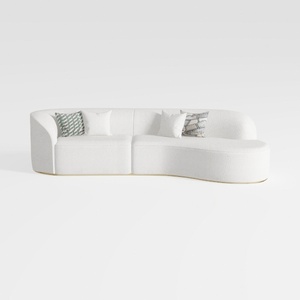
Minimalist Boucle Fabric Curved Sectional Sofa 3D Model

Minimalist Fabric Modular Sectional Sofa 3D Model

Round Coffee Table, 35.5-Inch Modern Engineered
Homestyler offers an easy-to-use online design tool with stunning 3D renderings, inspiring interior projects, and helpful DIY video tutorials—perfect for bringing your home design ideas to life quickly and beautifully.
Projete agora para LIVRE