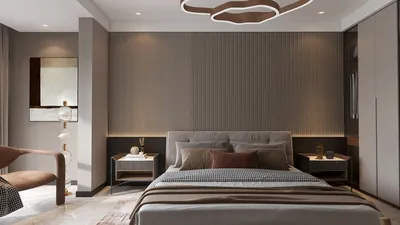


When selecting tiles, I employ a strategy akin to designing space; first, I assess the functional requirements of the room, and then I fine-tune elements like texture, pattern, and scale to establish a harmonious visual flow. Recently, trends such as large-format porcelain, tactile stone surfaces, and warm, low-VOC grout options have defined modern interior aesthetics. Ensuring performance is essential: guidelines from WELL v2 emphasize the importance of glare management and optimal lighting, indicating that finishes should enhance visibility rather than hinder it. Likewise, IES recommended standards highlight the need for surfaces with balanced reflectance to ensure consistent brightness, which is crucial in spaces like kitchens and bathrooms where tile sheen and color are pivotal.
The choice of materials significantly influences behavior. Research from Steelcase indicates that environments that align functionality with material cues lead to increased comfort and satisfaction, particularly in high-traffic areas like kitchens and home offices. Psychologically, Verywell Mind highlights that soft, neutral tones promote tranquility and a sense of spaciousness—an effect heightened when tiles maintain a uniform tone and visual calm. I prefer matte or soft-satin finishes that reduce glare under ambient lighting of 3000 to 3500K, while reserving glossy surfaces where deeper light reflection is desired.
Embracing Large-Format Porcelain for Modern, Seamless Aesthetics
Large-format porcelain slabs (sizes like 24x48 inches, 30x60 inches, and even 48x96 inches) create the seamless, uninterrupted lines that modern homes desire. Minimal grout lines visually expand smaller spaces and make cleaning a breeze. In open-concept living areas, these tiles transition effortlessly from the kitchen to the living space, thanks to rectified edges that keep lines impeccably straight. I prefer porcelain in kitchens and entryways for its stain resistance, broad color options, and reliable sizing. For busy hallways, opt for tiles with a DCOF of 0.42 or higher to ensure slip resistance, complemented by a satin finish that balances maintenance and light reflectance.
Warm Minimalism with Subtle Neutrals
Move beyond the cold grays of yore. Neutrals like greige, mushroom, wheat, and clay infuse warmth without compromising on a modern aesthetic. In living spaces, consider a 24x24 inch or 18x36 inch porcelain tile in a soft matte concrete look, paired beautifully with low-sheen wall paints and natural wood elements. Use grout that is one shade darker than the tile to effectively mask wear and keep lines elegant and understated. Under warm ambient light of 2700 to 3000K, these palettes exude a calm sophistication, avoiding any bluish tones that can mute texture.
Stone-Look Porcelain versus Natural Stone
While natural stone offers unparalleled depth, stone-look porcelain provides the durability and price stability many homeowners seek. For bathrooms, options like marble-look porcelain with controlled veining create a spa-like ambiance without the anxiety associated with maintenance. In powder rooms, I occasionally opt for honed limestone or travertine if the household is open to the upkeep—including a top-quality penetrating sealer and a breathable care routine. When durability is critical, porcelain is superior; however, if genuine texture and a patina are preferred, consider honed natural stone in less splash-prone areas.
Textured Tiles for Enhanced Tactility and Safety
Raked, fluted, or micro-structured tiles add subtle shadows and depth to minimalist spaces. Options like structured porcelain or mosaics are ideal for shower floors and mudrooms, improving slip resistance while providing detail at the pedestrian level. Maintain a restrained visual effect by opting for matte or satin wall tiles, allowing texture to play a starring role. If mixing textures, limit combinations to two per room—such as a smooth large-format tile paired with a ribbed accent on one wall—to avoid a chaotic aesthetic.
Monochrome Grids and Stacked Patterns
Grids are making a comeback, but with a cleaner approach. Using stacked-bond tiles in dimensions of 4x12 inches or 2x10 inches in a single, muted hue creates a sleek and contemporary look. I recommend 1.5-2 mm joints filled with high-performance grout, paired with matching epoxy caulk at planes of transition. In kitchens, a stacked-bond backsplash under task lighting (around 3000-3500K) delivers a refined texture that remains unobtrusive. For a touch of subtle movement, consider utilizing a dual-sheen glaze—one matte, one satin—in alternating rows.
Herringbone and Chevron Patterns with Subtlety
Directional patterns serve as effective visual guides. I often use herringbone layouts at entrances to draw guests inside or in galley kitchens to create a sense of width. Keep material choices understated; single-color porcelain planks in sizes of 4x24 inches or 6x36 inches ensure the pattern is perceived as geometric rather than decorative. In compact bathrooms, a chevron pattern within the shower area or on the floor introduces vitality without overwhelming the space. Match the grout tone closely to maintain visual cohesion.
Modern Terrazzo for Contemporary Charm
Contemporary terrazzo, whether cementitious or resin-bound, merges the charm of tradition with modern aesthetics. For a stylish home, select fine to medium aggregates with minimal contrast. If maintenance is a concern, consider terrazzo-look porcelain, which emulates the appearance without the sealing requirements. Combine this with flat-front cabinetry and brushed metal hardware to achieve a refined, gallery-like environment in kitchens or hallways.
Wood-Look Plank Tiles for Cohesive, Warm Environments
Porcelain planks modeled after oak or walnut create a unified appearance in open layouts, which is especially advantageous for homes with pets or radiant heating systems. Maintain controlled variation (V2-V3), and apply a 1/3 offset layout to minimize lippage. Select a warm neutral base palette to ensure the wood’s tone does not appear orange under warm LED lighting. For a seamless look, continue the same plank design through the kitchen, living areas, and hallways, utilizing area rugs to delineate spaces without disrupting the visual continuity.
Deep Matte Black and Charcoal for Grounding Spaces
Rich, desaturated shades anchor modern interiors. Charcoal porcelain in a 24x24 inch format can serve as a foundation for a bright living room, allowing furniture and art to stand out. Ensure adequate vertical reflectance with lighter walls and ceilings to prevent the space from feeling confined. In bathrooms, a charcoal tiled floor paired with soft-white walls strikes a balance between contrast and wear concealment.
Color Psychology: Soft Greens, Desert Pinks, and Quiet Blues
For clients desiring color without overwhelming the senses, I gravitate towards muted mineral palettes. Tones like sage and eucalyptus greens evoke rejuvenation; dusty terracotta brings warmth, while powdery blue-grays cool sun-drenched spaces. Research from Verywell Mind supports these choices, revealing that desaturated hues reduce stimulation and promote tranquility. Maintain lower saturation levels and allow texture (like matte finishes or subtle glaze effects) to provide depth.
Importance of Layout: Proportions, Flow, and Sightlines
The arrangement of tiles can significantly impact the perception of a room. I begin by noting door thresholds, primary sightlines, and wet-zone boundaries, then position cuts where attention naturally falls. For long, narrow spaces, align longer tiles parallel to the length of the wall; in square rooms, a centered grid layout fosters a sense of calm. If exploring alternatives, a room layout tool is invaluable for simulating various patterns, grout widths, and starting points before any installations occur, such as through an interior layout planner.
Finding the Right Balance in Lighting and Sheen
Under-cabinet task lighting can overemphasize glossy backsplashes; thus, I favor matte tiles for maintaining visual clarity. In dimly lit entryways, a soft-satin finish reflects sufficient light for safety without creating harsh glares. Guidelines from WELL v2 stress the importance of glare control and visual comfort; it is vital to match tile finishes with light placement and color temperature (CCT) to prevent harsh reflections and glare at eye level.
Designing Serene and Safe Bathrooms
For bathroom floors, opt for small-format mosaics or structured porcelain with a higher wet DCOF rating. Large-format matte slabs on walls reduce grout lines and contribute to a tranquil ambiance. A single accent—such as ribbed tiles on the vanity wall or a gentle chevron pattern in the shower—keeps hierarchy clear. Warm lighting around 3000K pairs well with soft stone aesthetics, enhancing skin tones while providing functional clarity.
Kitchens: Durable, Easy-to-Clean, and Cohesive
In kitchens, backsplashes benefit from satin-finish stacked ceramic tiles for easy maintenance. For flooring, select porcelain with a microtexture to improve traction. If the kitchen is visible from adjoining areas, ensure that floor tiles harmonize with adjacent surfaces in both color and reflectance. Utilizing grout sealers and epoxy options resists staining, which is crucial in cooking zones.
Functional Entries and Mudrooms: Prioritizing Durability
Given the wear from salt, dirt, and moisture, durable porcelain with a structured surface is essential. Dark-medium shades effectively conceal dirt; incorporating a border tile or specific threshold details signifies transitions without disruptive material shifts. Consider installing a recessed doormat if feasible, sloped subtly towards the entrance to manage moisture accumulation.
Relaxing Bedrooms and Living Rooms with Subtle Texture
In living spaces, I lean towards large-format tiles with matte, stone-like textures or warm concrete finishes. Layering with textiles and timber enhances sound absorption. Additionally, if radiant heat is employed, the thermal mass properties of porcelain provide added comfort. Keep grout lines minimal and aligned with furniture placements to prevent awkward seams.
Sustainable Choices and Long-Term Maintenance
Opt for tiles containing recycled materials when possible and low-VOC installation substances. Lighter base colors reflect more light, decreasing the need for stronger illumination. Implement plans for replaceable transition pieces to extend the longevity of installation. For natural stone, establish a sealing schedule and use pH-neutral cleaning products; for porcelain, a mild detergent typically suffices for care.
Critical Mistakes to Steer Clear Of
- Over-mixing patterns and textures in small spaces, leading to visual clutter.
- Neglecting lighting considerations while selecting sheen; gloss finishes under bright LEDs can create glare.
- Inadequate layout planning resulting in awkward cuts at key focal points.
- Choosing light grout on floors in heavily-used areas, resulting in quicker staining that dates the space.
- Utilizing tiles with low DCOF ratings in wet environments.
Frequently Asked Questions
To minimize glare and maintain surface readability under 3000 to 3500K LEDs, I recommend matte or soft-satin finishes, in line with glare-reducing principles from WELL v2.
For shower walls, I suggest using large-format matte tiles in light neutrals, continuing the floor tone into the shower area and minimizing grout contrast. Utilize a single accent and avoid high-gloss finishes that could fragment the visual flow.
Such tiles require a very flat substrate. Ensure thorough floor preparation and employ a leveling system during installation. If the surface cannot be brought within acceptable tolerances, consider smaller format tiles to mitigate lippage risks.
If authentic tactility and a natural patina are valued, then yes—especially in low-splash areas. For zones like kitchens and showers where etching and staining pose significant concerns, stone-look porcelain can achieve the desired aesthetic while offering superior performance.
To maintain a cohesive look, match grout color or select one shade darker than the tile to keep lines subtle. For flooring, slightly darker grout helps mask wear; for walls, tight joints using color-matched grout contribute to a clean, modern appearance.
Consider options like stacked bond, restrained herringbone, or large-format grids. Keep materials monochromatic or minimally varied so that geometry remains the focal design element.
Hard surface materials can reflect sound; thus, counterbalances with rugs, curtains, and upholstered furnishings are advisable. In media areas, consider acoustic panels or textured wall tiles to diffuse sound reflections.
For safety, utilize small-format mosaics or structured porcelain with wet-rated DCOF scores at or exceeding industry recommendations. Ensure proper slope and drain configurations for optimal performance.
Absolutely, especially with wood-look or large-format porcelain to maintain a consistent appearance. Use area rugs and furniture arrangements to delineate different zones without disrupting surface continuity.
Desaturated neutrals and soft mineral hues minimize stimulation and create a calming atmosphere, a principle aligned with color psychology insights from Verywell Mind.
Lighting should be controlled and not directed straight at surfaces; otherwise, opt for satin finishes that reflect light softly without producing harsh glares.
For porcelain, simply use mild detergent with soft cleaning tools; for natural stone, utilize pH-neutral cleaners and schedule regular sealing. Resealing grout or employing epoxy grout in high-traffic areas helps deter stains.
To create an effective layout, center seams on primary sightlines, avoid sliver cuts, and align with cabinetry or fireplace edges. Utilize a layout simulation tool to explore options before committing to a design pattern.
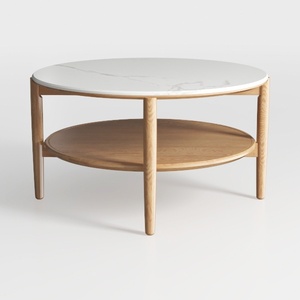
VASAGLE Round Coffee Table, 2 Tier Coffee Table wi
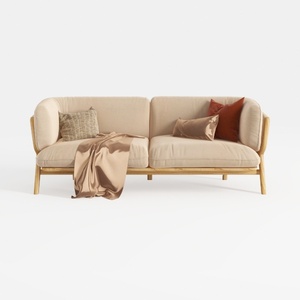

Tennozu Linen Fabric Loveseat Sofa, Convertible Fu
Looking to transform your space? Homestyler is your go-to online home design platform! With its user-friendly design tool, stunning 3D renderings, and a wealth of DIY video tutorials, you can effortlessly create inspiring interiors that reflect your style. Start your design journey today!
Projete agora para LIVRE
































