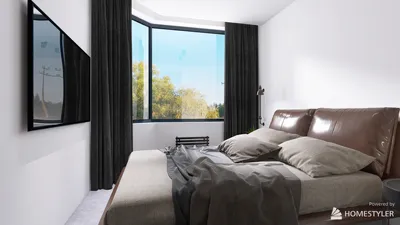


In the realm of interior design trends, the farmhouse style has surged in popularity, characterized by warm textures, inviting atmospheres, and a hint of rustic charm. Throughout my experiences designing both urban apartments and rural homes, I've discovered that smaller living rooms often inspire some of the greatest creative innovations. This article will guide you through ten farmhouse-inspired living room decor ideas, melding my own experiences with expert insights to help you craft a space that radiates timeless appeal and uniqueness, all while considering tools like Homestyler to visualize your designs.
1. Weathered Wood Accent Wall
My Take: I once rejuvenated a lackluster apartment living room by introducing a reclaimed wood accent wall. The immediate infusion of warmth and texture transformed the area into a cozy haven.
Pros: It introduces organic texture and serves as a striking focal point; reclaimed materials are environmentally friendly. Architectural Digest notes that natural elements foster a grounding, comforting ambiance in living spaces.
Cons: Finding quality reclaimed wood can be challenging and may lead to higher costs than anticipated.
Tip: Experiment with mixing different wood tones to create depth, but maintain a warm color palette.
2. Cozy Slipcovered Sofas
My Take: I adore the look of white or cream slipcovered sofas in farmhouse interiors—they exude effortless style and provide practicality for families with children or pets.
Pros: The machine-washable fabric simplifies maintenance, and the relaxed aesthetic complements the farmhouse design beautifully.
Cons: Light fabrics can easily stain, and frequent washing might wear down the material over time.
Tip: Keep an extra set of slipcovers handy for seasonal changes or entertaining guests.
3. Open Shelving with Vintage Treasures
My Take: During a redesign of a compact living room, we utilized open shelves to showcase vintage jars, ceramics, and wicker baskets, effectively adding character without cluttering the floor.
Pros: It visually expands the room, making it perfect for smaller spaces; it also reflects personal style through curated items.
Cons: Open shelving necessitates regular dusting and careful arrangement to maintain visual coherence.
I often integrate open shelves with L-shaped layouts to optimize surface space and create an airy ambiance.
4. Neutral Layers with Soft Textures
My Take: Combining linen curtains, chunky knit throws, and cotton cushions achieves that welcoming, sink-into comfort characteristic of farmhouse style.
Pros: This calming color palette is effective in both small and large rooms; layering different textures adds intrigue to neutral tones.
Cons: An abundance of beige without contrast can appear flat; consider incorporating darker accents for added depth.
5. Statement Farmhouse Lighting
My Take: I once installed a wrought iron chandelier in a small loft living space—it became an instant conversation starter.
Pros: Acts as a bold focal point that can double as art; well-chosen lighting can enhance the perceived size of a room.
Cons: Large fixtures can overwhelm small spaces if not appropriately scaled.
6. Shiplap Walls for Texture
My Take: Shiplap's sleek lines and rustic appeal can turn ordinary walls into an engaging design feature without feeling heavy.
Pros: Adds architectural interest; can be painted or left in its natural state for versatility.
Cons: Installation can be labor-intensive; dust can accumulate in the grooves.
In some renovations, I blend shiplap with wooden accents for a warm and cohesive appearance.
7. Mixed Metal Accents
My Take: By pairing black iron curtain rods with brushed brass lamp bases, I introduce depth and a modern twist to rustic designs.
Pros: Increases visual interest; allows for easy updates over time.
Cons: Overdoing mixed metals can result in an uncoordinated look—limit to two finishes for harmony.
8. Indoor Greenery
My Take: Incorporating plants revitalizes farmhouse interiors. I’ve included olive trees and cascading pothos to soften both corners and shelves.
Pros: Enhances air quality; pairs beautifully with natural materials.
Cons: Requires regular care; not all plants thrive in less illuminated spaces.
9. Distressed Leather Armchairs
My Take: Positioning a pair of caramel-hued leather armchairs by a window adds a sense of history and texture without seeming overly formal.
Pros: Grows more charming over time; spills and scuffs become part of its story.
Cons: Higher initial investment; the heavier appearance can dominate lighter decor.
Balancing them with glass features enhances the openness of the room visually.
10. Vintage-Inspired Rugs
My Take: A well-loved Persian or Turkish-style rug can beautifully unite all elements of farmhouse design with its vibrant patterns and colors.
Pros: Infuses personality into the space while skillfully concealing minor flooring imperfections.
Cons: Authentic vintage rugs can be costly and require special maintenance.
Summary
Small farmhouse living rooms are not defined by constraints—they offer opportunities for smart, stylish design choices that enhance comfort and aesthetic appeal. As highlighted by Better Homes & Gardens, layering textures and integrating natural elements is essential. Which of these design tips would you like to try in your own home, possibly utilizing Homestyler for a clear visual representation?
FAQ
Q1: What are the primary elements of farmhouse living room decor?
A: Key features include natural textures, muted color palettes, vintage or distressed items, and a blend of old and contemporary.
Q2: Is farmhouse style suitable for small living rooms?
A: Certainly! Selecting light shades, incorporating layered textures, and using multifunctional furniture maintains an airy and practical environment.
Q3: Which colors are best for farmhouse decor?
A: Neutral tones like white, beige, and greige complemented with soft blues or muted greens work harmoniously.
Q4: Is shiplap still trendy?
A: Yes, though experts advise blending it with other textures for a modern farmhouse aesthetic (HGTV).
Q5: How can I budget for farmhouse decor?
A: Combine investment pieces, such as a quality sofa, with thrifted treasures and DIY projects for affordability.
Q6: Does farmhouse imply solely rustic touches?
A: Not necessarily; the modern farmhouse style combines rustic warmth with sleek, clean lines.
Q7: What lighting works best for farmhouse living rooms?
A: Chandeliers, lanterns, and sconces with warm bulbs enhance the design and create a cozy atmosphere.
Q8: Can farmhouse style blend with other design influences?
A: Yes—elements from industrial, coastal, and even bohemian styles can be harmoniously integrated when done thoughtfully.
Discover the magic of home design with Homestyler! This user-friendly platform offers an intuitive online design tool, stunning 3D renderings, and a wealth of inspiring design projects and video tutorials. Transform your ideas into reality effortlessly and make your dream home a reality!
Projete agora para LIVRE
































