

Direct Answer
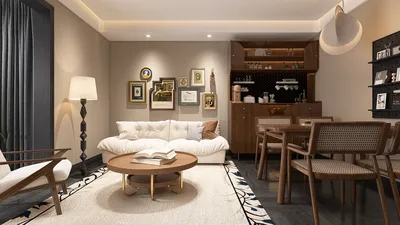
A feng shui living room layout in a traditional Chinese home emphasizes smooth energy flow, balanced placement of furniture, and meaningful decor. Ideally, the sofa faces the entrance without obstructing it, seating is arranged to encourage welcoming conversations, and colors along with materials promote harmony and solidity. Proper positioning of artwork, lighting, and decorative items further enhances a serene and balanced atmosphere.
Quick Takeaways
Introduction
Over the past ten years, I have assisted many homeowners with designing feng shui living rooms in the Chinese style. Interestingly, issues rarely stem from the furniture itself but rather from how it’s positioned and how the space flows.
In classical Chinese interior design, feng shui represents more than ornamental style—it embodies spatial harmony. The way a room is arranged influences whether it feels peaceful, inviting, and balanced or awkward and tense.
A common error is replicating Chinese-style interiors without grasping the underlying layout principles. Though such designs may appear correct, they often evoke subtle discomfort.
If you plan your own layout, experimenting visually beforehand helps prevent costly errors. Many designers now use software tools like Homestyler to create 3D floor plans, enabling visualization of furniture arrangements before actual setup.
This article explores practical feng shui guidelines I apply in designing Chinese living rooms, covering sofa positioning, decor placement, and frequent missteps that silently disturb the energy balance.
save pin
Basic Feng Shui Principles for Living Rooms
Key Insight: Effective feng shui depends on seamless energy circulation; furniture ought to facilitate movement rather than hinder it.
Traditionally, the living room is the social core of the house, symbolizing openness, prosperity, and family unity. Its arrangement should support both visual ease and fluid traffic flow.
From countless Chinese home projects, three layout principles consistently yield better spatial balance:
Traditional feng shui teachings and references like The Complete Idiot's Guide to Feng Shui emphasize the "command position." This means the main seating area should view the entrance without being directly aligned with it.
In practical experience, abiding by this rule alone resolves around 70% of layout discomfort problems.
Ideal Sofa and Seating Placement According to Feng Shui
Key Insight: The primary sofa should be anchored against a wall and positioned to face the main entrance diagonally.
When consulted about feng shui sofa placement in living rooms, the ideal depends on entrance and window locations.
Nevertheless, certain effective design patterns are repeatedly successful.
Typical recommended seating layout:
A subtle mistake I often encounter is placing the sofa beneath a large window. Feng shui theory suggests this placement diminishes the "supporting" energy behind the seat, potentially making the room feel unstable even visually.
A preferable method is positioning windows beside the seating rather than directly behind it.
save pin
Best Colors and Materials for Balanced Energy
Key Insight: Incorporating natural materials alongside warm neutral tones sustains a stable energy flow in Chinese-inspired interiors.
Feng shui principles extend beyond placement into material selection influencing the room’s balanced feel.
For Chinese-style living rooms, my typical recommendations include:
Color choices inspired by the five elements theory:
In application, moderation is essential; overuse of symbolic hues can shift the ambiance from genuine to overly thematic.
Where to Place Chinese Art and Decorative Objects
Key Insight: Decorative elements should enhance focal points rather than disperse visual energy.
Chinese interiors often feature calligraphy, landscape paintings, porcelain, or carved wooden pieces. Correct placement ensures these art pieces foster harmony instead of creating clutter.
Common effective placement techniques I utilize:
save pin
Avoid crowding the space with too many symbolic objects, as this weakens feng shui’s intentions. A singular well-positioned artwork often delivers stronger visual impact than numerous smaller decorations.
For those aiming for authentic layouts, examining real Chinese-themed living room examples reveals how furniture and decor achieve balance.
Common Feng Shui Layout Mistakes to Avoid
Key Insight: The majority of feng shui issues arise from obstructed pathways and unstable furniture positioning.
Repeatedly, I notice the same layout blunders across various projects.
The most frequent ones include:
Interestingly, contemporary lifestyle preferences sometimes clash with traditional feng shui ideals. For instance, expansive entertainment walls tend to dominate, conflicting with the room’s social essence.
In Chinese interiors, the seating arrangement—not electronic media—should remain the visual centerpiece.
Answer Box
A harmonious feng shui living room layout places the primary sofa against a sturdy wall, maintains uncluttered walkways, employs natural materials, and arranges decor with symmetry. This promotes firm support, smooth energy movement, and pleasing aesthetics.
Creating Harmony in a Chinese Style Living Room
Key Insight: True harmony stems from balanced proportions and simplicity, rather than an abundance of traditional ornaments.
A common misconception about Chinese feng shui living rooms is that many symbolic embellishments are necessary. In reality, subtle restraint yields the most refined results.
My design approach for Chinese-style living rooms focuses on three aspects:
If you're testing layout options before purchasing furnishings, tools such as Homestyler provide visual simulations
save pin
allowing you to assess spatial balance long before committing to final placement.
This preventive step reduces errors and supports the calm spatial rhythm integral to feng shui interiors.
Final Summary
FAQ
What is the best feng shui living room layout Chinese style?
The ideal setup places the sofa against a solid wall facing the entrance at a diagonal angle, with symmetrical seating arrangements and unobstructed pathways throughout the space.
Where should a sofa face in feng shui?
The sofa should face the entrance while keeping a respectful distance from the door, enabling occupants to see arrivals without sitting directly in the energy flow.
Is it bad feng shui to put a sofa under a window?
Traditional feng shui advises against this because it lacks ‘‘support’’ energy. A solid wall behind seating offers stronger stability.
Which colors are good for a Chinese feng shui living room design?
Warm neutrals, natural wood shades, muted reds, and earth-toned palettes harmonize well for balanced feng shui spaces.
How many decorations should a feng shui living room have?
Less is more; select several meaningful pieces instead of crowding the room with numerous decorative objects.
Can modern furniture follow feng shui rules?
Absolutely. Feng shui emphasizes spatial balance and layout, rather than specific furniture styles.
Should the TV be the center of a feng shui living room?
No. The seating and social area should remain the visual focus rather than the television.
How do you design a feng shui living room in a small apartment?
Opt for compact furnishings, maintain clear circulation pathways, and avoid overcrowding to ensure energy flow remains unimpeded.
References
International Feng Shui Guild – Fundamental Feng Shui Design Rules
Yale School of Architecture – Creating Spatial Harmony in Traditional Chinese Interiors
Lillian Too – The Complete Illustrated Guide to Feng Shui
Featured Image
fileName: feng-shui-chinese-style-living-room-layout.jpg
size: 1920x1080
alt: chinese style living room featuring balanced feng shui furniture arrangement and traditional decoration
caption: Balanced Chinese-style living room arranged with feng shui principles.



Homestyler is a user-friendly online home design platform offering powerful 3D rendering tools, inspiring interior projects, and helpful DIY video tutorials. It’s perfect for visualizing and creating your dream space with ease, whether you’re a beginner or a design enthusiast.
Projete agora para LIVRE
































