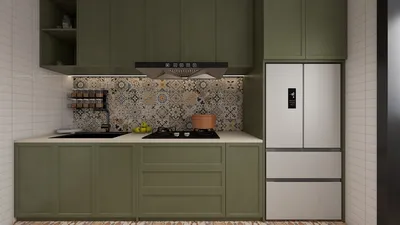


Direct Answer
A feng shui living room arrangement in a Chinese-inspired home emphasizes smooth energy flow, well-balanced furniture placement, and meaningful decor. The sofa should face the entrance without obstructing it, seating should be arranged to foster welcoming conversations, and colors along with materials should promote harmony and stability. Thoughtful positioning of artwork, lighting, and decorative pieces further enhances a peaceful, balanced atmosphere.
Quick Takeaways
Introduction
Over the past ten years, I've assisted numerous homeowners in creating feng shui living room layouts in the Chinese style. Interestingly, the main challenges rarely stem from the furniture itself but from improper placement and disrupted flow.
In classic Chinese interior design, feng shui is not merely decoration but a type of spatial reasoning. The way a room is arranged dictates whether it feels serene, inviting, and balanced or awkward and tense.
A common error I observe is when homeowners replicate beautiful Chinese-style interiors without grasping the underlying spatial principles. This often results in spaces that look correct but feel subtly uneasy.
If you plan your layout carefully by first visualizing it, costly mistakes can be avoided. Designers frequently use tools such as Homestyler to create 3D models of living room layouts before physically moving any furniture.
This guide will cover practical feng shui principles I apply when designing Chinese living rooms, including how to position sofas, arrange decor, and avoid common errors that disrupt energy balance.
save pin
Basic Feng Shui Principles for Living Rooms
Key Insight: Effective feng shui begins with uninterrupted energy circulation—furniture should facilitate natural movement rather than hinder it.
In traditional feng shui, the living room functions as the social nucleus of the home, symbolizing openness, wealth, and family unity. Therefore, its layout must encourage visual ease and fluid circulation.
Through many Chinese homes I've designed, three core layout principles reliably enhance balance:
According to traditional texts like The Complete Illustrated Guide to Feng Shui and guidelines from the International Feng Shui Guild, the "command position" is crucial. It means that the main seating area should be able to see the room's entrance without being directly aligned with it.
In practical projects, following this guideline alone resolves around 70% of layout-related discomforts.
Ideal Sofa and Seating Placement According to Feng Shui
Key Insight: The primary sofa should rest against a solid wall and face the main entrance at a slight angle.
Clients frequently ask about the best feng shui sofa placement in the living room; the answer often depends on where the entrance and windows are located.
Nonetheless, consistent design patterns tend to yield positive results.
Recommended seating arrangement:
A subtle but common mistake is positioning the sofa beneath a large window. Feng shui principles suggest this placement reduces the 'support energy' behind the seating, often creating a sense of instability in the space.
It's preferable to have windows beside the seating area rather than directly behind it.
save pin
Best Colors and Materials for Balanced Energy
Key Insight: Utilizing natural materials paired with warm, neutral tones promotes steady energy flow in Chinese-inspired interiors.
Feng shui extends beyond arrangement; the choice of materials influences the sense of balance as well.
For Chinese-style living rooms, I usually advise:
Color choices guided by the five elements philosophy:
In practice, moderation is more essential than strictly adhering to symbolic colors. Overuse of thematic hues may make a room feel contrived rather than genuine.
Where to Place Chinese Art and Decorative Objects
Key Insight: Decorative items should enhance central focal points instead of dispersing visual energy indiscriminately.
Chinese decor often incorporates calligraphy, landscape art, porcelain, or carved wooden pieces. Their placement determines whether they contribute to harmony or cause visual clutter.
My preferred placement strategies include:
save pin
An often overlooked rule is that too many symbolic objects can dilute feng shui power instead of strengthening it. A single, carefully positioned artwork generally carries more impact than numerous smaller pieces.
Studying authentic Chinese-inspired living room layouts can provide valuable insights if you're planning a culturally respectful design. Many homeowners begin by examining realistic examples to grasp the balance between decor and furniture.
Common Feng Shui Layout Mistakes to Avoid
Key Insight: Most feng shui issues arise from obstructed pathways and unstable furniture arrangements.
I've identified several recurring problems in various projects.
The most frequent ones include:
Interestingly, contemporary living trends often clash with feng shui ideals. For example, oversized entertainment centers can overshadow the social essence of the living room.
In Chinese-style designs, the seating arrangement—not the television—should remain the room’s visual anchor.
Answer Box
A properly balanced feng shui living room places the main sofa against a firm wall, ensures clear pathways, uses natural materials, and arranges decor symmetrically. This creates stable support, smooth energy flow, and visual harmony.
Creating Harmony in a Chinese Style Living Room
Key Insight: Harmony results from balance and simplicity, not an excess of traditional elements.
A misconception about Chinese feng shui living room design is the need for many symbolic decorations. In truth, restraint is key to timeless elegance.
When designing Chinese-style living rooms, I concentrate on three layers:
Using tools like Homestyler to experiment with different layouts before purchasing furniture can reveal whether the layout achieves balance well before the room is finalized.
save pin
This step alone helps prevent numerous layout errors and sustains the tranquil spatial rhythm essential in feng shui interiors.
Final Summary
FAQ
What is the optimal feng shui living room layout in the Chinese style?
The ideal arrangement positions the sofa against a solid wall facing the entrance diagonally, with seating symmetrically organized and unobstructed walkways throughout the space.
Where should the sofa face according to feng shui?
The sofa should face the entrance while keeping some distance from the door, allowing people seated to see who enters without blocking the energy path directly.
Is it considered bad feng shui to place a sofa under a window?
Traditional feng shui advises against it since the sofa lacks symbolic backing. A solid wall behind the seating area offers stronger support and stability.
Which colors suit a Chinese feng shui living room design?
Warm neutral hues, natural wood shades, muted reds, and earth tones are effective for fostering balanced energy.
How many decorative items should a feng shui living room contain?
Less is more — focus on a few significant pieces rather than cluttering the room with numerous items.
Can contemporary furniture comply with feng shui principles?
Absolutely. Feng shui prioritizes spatial balance and arrangement over specific furniture styles.
Should the television be the focal point in a feng shui living room?
No. The primary focus should be the seating area and social interaction, not the TV.
How to design a feng shui living room in a small apartment?
Choose compact furniture, maintain clear walkways, and avoid overcrowding to ensure energy flows smoothly.
References
International Feng Shui Guild – Principles of Feng Shui Design
Yale School of Architecture – Spatial Harmony in Traditional Chinese Interiors
Lillian Too – The Complete Illustrated Guide to Feng Shui
Featured Image
fileName: feng-shui-chinese-style-living-room-layout.jpg
size: 1920x1080
alt: Chinese style living room with feng shui balanced furniture layout and traditional decorations
caption: Balanced Chinese-style living room featuring a feng shui layout.
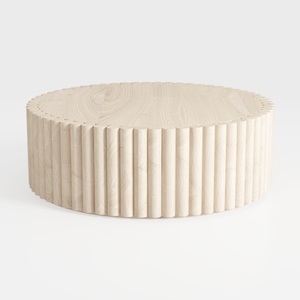
Minimalist Solid Wood Fluted Round Coffee Table 3D Model


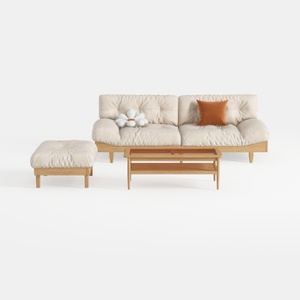
Minimalist Solid Wood Fabric Sofa Ottoman Coffee Table Set 3D Model
Homestyler offers an easy-to-use online design tool with stunning 3D renderings, inspiring interior projects, and helpful DIY video tutorials—perfect for bringing your home design ideas to life effortlessly.
Projete agora para LIVRE
































