

I've assisted countless tenants in finding comfortable living spaces in Dombivli West without sacrificing on daylight or commuting convenience. The key is to merge speed with thorough investigation: assess commuting routes, confirm the quality of building services, and evaluate aspects such as light, noise, and airflow before making a commitment. In major Indian cities, commuting is a significant contributor to overall satisfaction; research from Gensler reveals that 73% of employees prioritize location flexibility as essential for performance, making it crucial to choose a smart location that ensures manageable daily travel (source: Gensler Research Institute). Furthermore, WELL v2 emphasizes that lighting and air quality are vital for everyday comfort; even in compact rentals, assessing daylight availability and mitigating glare can directly influence alertness and sleep (source: WELL v2—Light & Air concepts).
For an efficient, data-driven selection process: aim for a room located within 10–15 minutes of your regular transit station or bus route, check for cross-ventilation at noon, and monitor noise levels during rush hours. Steelcase's findings connect environmental control with enhanced cognitive performance and reduced stress; spaces with operable windows and adjustable task lighting consistently offer better comfort ratings (source: Steelcase Research). Employ a quick checklist: ensure your commute is under 45 minutes door-to-door during weekdays, keep ambient noise below intrusive levels with windows closed, and conduct basic safety evaluations—checking for CCTV in communal areas, adequate lighting at entrances, and visible fire extinguishers.
Neighborhood Overview
Dombivli West is renowned for its suburban affordability and robust rail connectivity provided by Dombivli station (Central Line). For an efficient search, concentrate your inquiries within a 1–1.5 km radius, whether by walking or via a short rickshaw ride to the station. Expect a mix of mid-rise apartments, older society buildings, and clusters of standalone rentals. Local advantages include a plethora of daily amenities, competitive pricing compared to Thane/Kalyan, and an active network for grocery and meal deliveries. Keep in mind potential drawbacks such as station crowding during peak hours and occasional noise from the streets near major roads.
48-Hour Shortlisting Guide
Day 1 morning: outline your essential criteria—maximum budget, bed size (single vs. double), whether you need a private or shared bathroom, the level of furnishing, and non-negotiable features (like natural light, ventilation, and storage). In the afternoon, visit 4–6 rooms grouped by their proximity (near the station, internal lanes, or society clusters). In the evening, assess the commute in real-time and check mobile data speeds in each room. On Day 2, revisit your top two choices at different times to evaluate noise, kitchen odors, lift waiting times, and neighborhood lighting after dark. Bring a measuring tape and a plug-in night lamp to check outlet placements and lighting conditions.
Design, Illumination, and Acoustics: Comfort in Small Rooms
I configure micro-layouts focusing on three primary areas: sleep, storage, and study. Position the bed against the quietest wall, minimize conflict with door swings, and maintain a 600–750 mm space for circulation. For glare-free work, set the desk perpendicular to the main window; utilize task lighting at 300–500 lux using warm-neutral 3000–4000K bulbs to reduce eye strain and support circadian rhythms as suggested by WELL v2 Light guidance. If you’re exploring spatial planning, consider using a layout simulation tool like Homestyler to visualize furniture arrangement and clearances.
Budgeting and Included Amenities
Standard room rental prices fluctuate based on proximity to the station, the age of the building, and the furnishing level. Expect to negotiate on factors such as the deposit (often several months), the split of society maintenance fees, and utility bill management (meter-based versus monthly blended). Furnished rentals should minimally include a bed with storage, a wardrobe, an operational fan, and basic curtains. If blackout curtains are unavailable, consider a double-layer setup to block streetlights and early sun. A compact rug and a door sweep can significantly reduce noise from corridors.
Quick Inspection Checklist (15-Minute Walkthrough)
- Doors and windows: check lock durability, hinge sound, and rubber seals; test the functionality of each.
- Light: compare morning versus afternoon sunlight; confirm there are adequate task lighting options available; avoid direct west-facing glare without effective shading.
- Air quality and moisture: check for bubbling paint or dark spots; sniff for dampness; ensure exhaust fans work well in washrooms.
- Noise: pause to listen for train sounds, honking horns, and neighbor activities; close windows to assess baseline sound levels.
- Electrical systems: test each socket with a charger; find the MCB location; ensure that fan controls operate smoothly.
- Storage options: measure available hanging and shelf space; confirm accessibility to loft storage if available.
- Plumbing: run taps and flush toilets; check water pressure and hot water availability; inspect for leaks under sinks.
- Safety: confirm staircase lighting, existence of handrails, presence of fire extinguishers, and CCTV in entry lobbies.
Optimizing a Single Room for Comfort
Maintain desk heights between 720–760 mm and pair them with adjustable chairs; ensure armrests can clear the desk edge to avoid shoulder strain. Position the monitor so the top is at or slightly below eye level and 500–700 mm from your face. When it comes to sleeping arrangements, orient the headboard away from shared walls where feasible. Provide a reach zone of 300–450 mm beside the bed for essential items like a lamp, water bottle, and phone, reducing nighttime trips.
Color Impact and Material Selections
In limited spaces, calming shades of muted greens and soft neutrals can reduce visual clutter and enhance the feeling of airiness; color psychology indicates that greens promote recovery and lower stress (refer to coverage on color psychology by Verywell Mind). Choose matte finishes to cut down on glare, especially from single-tube lighting fixtures. In terms of fabric choices, opt for washable cotton or blends, along with darker bases for beds to conceal wear. For dust sensitivity, consider roller blinds that are easy to clean rather than heavy drapes.
House Guidelines and Shared Living Etiquette
Inquire upfront about guest policies, quiet hours, cooking permissions, terrace access, and delivery management. Clarify cleaning duties and storage for cleaning supplies. If sharing facilities like bathrooms or kitchens, set aside time blocks to minimize morning clashes. A whiteboard near the entrance can help coordinate deliveries and cleaning schedules.
Documentation and Protection
Ensure a formal registered leave-and-license agreement exists, accompanied by an inventory list with photographs, meter readings at the time of possession, and any necessary NOC from the society. Keep records of appliance serial numbers as well as key tags provided during handover. Walk through common areas with the owner or agent to document any existing issues before finalizing the agreement to avoid disputes later on.
Move-In Setup: Priorities for the First 24 Hours
- Conduct a thorough cleaning of fans, loft space, window tracks, and switch plates.
- Set up a lighting plan: include a bedside lamp and task light at the desk; total illumination should be between 300–500 lux on surfaces for work.
- Boost storage solutions with items like over-door hooks, under-bed bins, and a slender shoe rack by the entryway.
- Implement noise reduction measures with a door sweep, fabric runner, and heavy curtains; keep earplugs handy for the first week.
- Confirm internet connectivity: check for signal strength and set up a power strip with surge protection.
Swift Strategy: From Search to Signing the Lease
Identify 2–3 specific micro-areas within Dombivli West, organize your visits, and carry a measuring tape, phone charger, and small night light. Conduct commute simulations during rush periods and keep a document folder—ID copies, photographs, and deposit funds ready—allowing you to secure the rental on the spot if it meets your criteria.
Frequently Asked Questions
Q1: What travel time should I aim for?
A: Target a commuting time of under 45 minutes from door to door during a weekday. Time both your walk to the station and your waiting time on the platform; do a repeat check during peak hours.
Q2: How can I determine if there's enough daylight?
A: Stand by your desk spot around noon and try reading without any artificial lighting. Prefer east or northeast-facing windows for gentler morning sunlight and less heat in the afternoon; supplement with task lighting to achieve about 300–500 lux for working conditions as per WELL v2 recommendations.
Q3: Are west-facing rooms problematic?
A: Not necessarily. Provided there’s proper shading on the windows and the ability to install blackout curtains or reflective blinds, managing heat and glare is feasible. Test the room around 4–5 pm to confirm.
Q4: What's generally included in a furnished room?
A: Expect to find a bed with storage, a wardrobe, an operational fan, serviceable curtains, and basic lighting. Additional features like a study desk, decent mattress, and functional shelves are bonuses.
Q5: How can I quickly assess acoustics?
A: Listen for 60 seconds with windows closed, then open them. Pay attention to traffic noise, neighbor sounds, and voices in the hallway. A solid-core door and door sweep can significantly improve sound insulation.
Q6: What strategies work for small room furniture placement?
A: Aim for a single circulation pathway 600–750 mm wide, keep the desk away from the window wall to reduce glare, and opt for vertical storage solutions. If unsure, use a simple interior layout tool like Homestyler to sketch it out.
Q7: What documentation offers the best protection?
A: A formal registered leave-and-license agreement, along with a dated inventory filled with photographs, meter readings at move-in, and clear terms regarding maintenance fees, notice periods, and deposit returns.
Q8: What are quick solutions for a hot, stuffy room?
A: Cross-ventilate by slightly opening a secondary exit, use a pedestal fan to circulate air across the bed, select lighter bedding, and install reflective blinds during hot afternoons.
Q9: How should I handle shared kitchen conflicts?
A: Establish time blocks for usage, label shelves and containers, and put cleaning procedures in writing (via digital messaging) from day one.
Q10: What color schemes work best in small rental spaces?
A: Soft greens, muted blues, and warm neutral tones are visually calming and help create an impression of increased space; using matte surfaces diminishes glare and visual complexity.
Q11: How can I quickly assess safety features?
A: Check for sufficient lighting at entries, confirm the availability of CCTV, evaluate lock quality, verify the presence of stair handrails, and examine the dates on fire extinguishers. It's wise to observe the area's lighting and foot traffic at night.
Q12: What should I prioritize as essential purchases for my first week?
A: Buy necessary items such as a door sweep, blackout curtains, a task lamp, a power strip with surge protection, over-door hooks, and a basic toolkit (including a screwdriver, tape, and level).
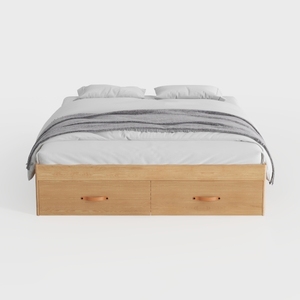
Merax Platform Bed, Full Size Wooden Bed Frame wit

Boho Rattan Nightstand with Drawer and Open

Gray Full Size Wood Loft Bed with Under-bed Desk,
If you're looking to transform your home into a stylish haven, Homestyler is the ultimate online design platform for you! With an easy-to-use design tool, stunning 3D renderings, inspiring design projects, and helpful DIY video tutorials, bringing your design dreams to life has never been easier.
Projete agora para LIVRE
































