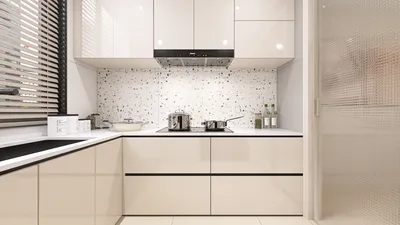


In a past project, I applied a vivid coral hue to a client's compact studio, believing it would create a cheerful atmosphere. However, the client found it to be "loud and claustrophobic." This experience taught me the importance of understanding how paint interacts with confined spaces and the necessity of testing colors before making a final decision. For those interested in witnessing real design implementations, I often recommend exploring design case studies that illustrate the transformative power of subtle color variations.
1. Thoughtful Color Palettes: eco-friendly and mood-enhancing
I typically start the design process with low-VOC paints that feature soft, warm neutrals, which visually expand small areas. My preferred shades include pale warm grays, creamy beiges, and muted sage greens. These colors are versatile, brighten up shadows, and complement natural light beautifully. On the flip side, they can feel a bit too safe, so I like to incorporate textures or contrasting trims to keep the design engaging. Additionally, platforms like Homestyler can help visualize these choices.
save pin
2. Vertical Enhancements: paint to elevate
Creating a tall accent stripe or painting a slightly darker band along the ceiling can effectively enhance the perceived height of a room. This simple yet effective strategy brings significant returns on investment, but precision is crucial: uneven lines will ruin the effect, which is why I always use high-quality painter's tape and double-check my measurements.
save pin
3. Dual-Tone Functional Areas for Small Spaces
When designing studio kitchens or open-plan living areas, I find that using two-tone walls helps to distinguish different zones subtly. I recommend a durable washable finish for the lower half and a softer hue for the upper half to create a calming effect. To offer clients layout inspiration for compact kitchens, I often share kitchen layout examples, highlighting how paint can be effectively integrated with practical workflows, along with tools like Homestyler for visual planning.
save pin
4. Texture Over Color: explore limewash, chalk, or satin contrasts
Incorporating texture adds depth without the weight of additional color; finishes like limewash or soft matte chalk impart a cozy and lived-in feel. However, these textured surfaces often require more maintenance, so I recommend limiting their application to accent walls or areas with less wear and using washable finishes where necessary.
save pin
5. Subtle Patterns and Reflective Details
Incorporating thin horizontal stripes, a gentle ombré behind a headboard, or metallic trim can create a curated appearance in a small area rather than a cramped one. To avoid any regrets about my choices, I first test patterns on poster board, and when clients wish to preview their options, I utilize visual aids such as 3D render galleries to make the decision process easier.
save pin
FAQ
Q: Do low-VOC paints justify their higher price? A: Definitely — they minimize odors and harmful compounds, significantly enhancing indoor air quality. The EPA advocates for low-VOC options in occupied spaces (EPA.gov).
Q: Which sheen works best in small rooms? A: Matte finishes conceal imperfections and create a cozy ambiance, while satin or eggshell are more suitable for cleaning in high-traffic areas. I often use a combination of finishes to balance aesthetics and practicality.
Q: How should I test paint colors in a tiny room? A: Apply large swatches on various walls and observe them throughout the day; lighting and surrounding surfaces can alter how colors appear.
Q: Can darker colors work in constrained spaces? A: Absolutely — when applied thoughtfully on a particular wall or ceiling, they can create an impression of depth. However, remember that dark hues absorb light, so they should be complemented with vibrant artificial lighting or reflective accents.
Q: Is two-tone painting a technique suitable for DIY enthusiasts? A: It can be, provided you take care with measuring and taping. For more complex borders or transitions, I suggest hiring a professional to avoid costly mistakes.
Q: How should I care for textured or specialized finishes? A: It’s advisable to use washable sealants when possible and to clean gently; textured finishes typically require more meticulous maintenance than standard flat paints.
Q: What budget should I allocate for repainting a small room? A: For a single small space, costs can vary widely based on the quality of paint and finish; I always provide clients with tiered estimates ranging from budget-friendly DIY options to premium low-VOC brands and professional labor. Utilizing tools like Homestyler can also help clients visualize potential expenses.
Q: Where can I see my paint selections in a virtual setting? A: Many designers leverage virtual mockups and case galleries to preview colors in context; viewing a 3D representation can help avoid surprises and confirm choices before actually painting.
save pin
Originally incubated at Autodesk, Homestyler has grown into one of the most widely adopted home design platforms in the world, now trusted by over 18 million users. Whether you're a homeowner exploring ideas or a professional designer delivering client-ready renders, Homestyler brings industry-leading 3D technology to your fingertips — no experience required.
Looking to transform your home? Homestyler is your go-to online design platform! With an intuitive design tool, stunning 3D renderings, and a wealth of DIY video tutorials, you can effortlessly create and visualize your dream space. Start your design journey today!
Projete agora para LIVRE
































