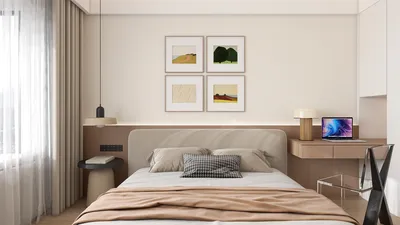


Grey bedrooms have evolved from simply being 'safe neutrals' to versatile spaces that embody calmness, warmth, and sophistication. To achieve this, it is essential to balance tone, light, and texture thoughtfully. In my projects, I often use warm greys to create a sense of comfort, cooler greys for clear definition, and skillfully crafted lighting to avoid a flat appearance. Utilizing tools like Homestyler can aid in visualizing these design elements effectively.
Research supports the significance of these design decisions. The WELL Building Standard (WELL v2) emphasizes that proper lighting can greatly affect sleep quality and overall comfort, aligning ambient light and color temperature in bedrooms with restfulness (WELL v2—Lighting). Furthermore, findings from Steelcase demonstrate that environments designed with sensory balance can alleviate cognitive load and encourage restoration—an approach that can be easily adapted to residential spaces using Homestyler for layout planning. Additionally, Verywell Mind highlights that grey can inspire tranquility and stability when combined with warm textures, rather than overwhelming as a dominant shade (Verywell Mind—Color Psychology).
Setting the Right Tone: Selecting the Ideal Grey for Your Room
Consider the undertone first. Rooms with north-facing windows typically receive cooler light, so I recommend selecting greys with warm undertones like taupe-grey or mushroom to balance the bluish natural light. South-facing bedrooms can successfully incorporate cooler charcoals and blue-greys without appearing harsh. Reflectance is also crucial; mid-tone greys (LRV 35–55) strike a perfect balance between coziness and brightness, especially in spaces with limited natural sunlight.
Illumination Matters: Layering Light to Enhance Grey Spaces
Grey surfaces interact with light differently depending on their finishes. I propose a three-tiered lighting strategy—ambient, task, and accent. Keep ambient lighting between 150–250 lux for unwinding, using dimmable warm white lights (2700–3000K). Bedside task lighting should deliver 300–500 lux with fixtures that shield glare when reading. Accent lighting, such as wall washers or discreet toe-kick lights, adds depth at night. Adhering to IES standards on glare control and uniformity minimizes visual fatigue and accentuates textures rather than flattening them. A narrow-beam sconce highlighting a linen headboard transforms grey from plane to texture, effectively enhancing the space's appeal with tools like Homestyler.
Textural Layers: Introducing Materials for Added Warmth
Think about layering different materials such as matte paints, linen-covered drapes, wool rugs, and bouclé upholstery. Grey thrives when contrasting sheens are employed; combine matte walls with gently lustrous sateen duvets or silk-trimmed throws for depth. For longevity, I recommend performance fabrics with over 50,000 double rubs, particularly for family settings, alongside low-VOC finishes to ensure healthier air quality. Sustainable choices, such as FSC-certified wooden furniture and recycled textiles, help reduce environmental impact while enriching the room’s tactile narrative.
Cohesive Color Harmonization: Accents to Brighten Grey
Grey acts as an anchor in a space. Shades like soft blush, muted terracotta, olive, ochre, and deep navy pair beautifully with it. For a monochromatic theme, varying temperatures and depths can create visual intrigue: think pale dove walls paired with graphite textiles and charcoal metallic accents. A straightforward 60/30/10 ratio can maintain balance—60% for dominant greys, 30% for accompanying neutrals, and 10% for accent colors.
Defining the Headboard Wall: Painting, Paneling, or Wallpaper
Creating a standout headboard wall can imbue a grey bedroom with meaning. My go-to options include mid-tone grey limewash for visual movement, vertical wood slats finished in warm grey for acoustic comfort, or textured wallcoverings like linen or grasscloth to add tactile interest. For those who appreciate patterns, a subtle geometric design in smoke and ivory can balance tranquility with character. To explore various spatial configurations or bed alignments, consider using a layout simulation tool like Homestyler.
Maximizing Small Spaces: Bright, Airy Greys
In smaller bedrooms, opt for light warm greys on the walls while slightly deepening the trim color to avoid visual interruptions. Floating nightstands, wall-mounted lighting, and mirrored wardrobe fronts can reflect light effectively. A low-profile platform bed keeps visual lines seamless, and incorporating a high-pile area rug underfoot can soften sound and ground the decor.
Primary Suites: Embracing Layered Luxury with Ease
For larger spaces, I gravitate toward a tonal palette accentuated by mixed textures rather than heavy decorations. Picture a charcoal-upholstered bed complemented by a dove-grey paneled wall, soft graphite drapes pooling elegantly, and a stone-topped nightstand featuring warm brass accents. Adding a lounge chair made from bouclé or mohair can absorb sound, along with a dimmable floor lamp perfect for evening activities.
The Intersection of Lighting Temperature and Sleep Quality
Even a stunning grey can appear lifeless under harsh lighting. Aim for evening lights in the 2700–3000K range to minimize glare. If utilizing smart controls, create specific scenes: create a ‘Wind Down’ mode that dims ambient lighting to 20–30%, adjusts the color temperature to warmer hues, and highlights task lighting only. During the daytime, allow natural light to brighten the space, giving grey room a serene backdrop. This approach aligns with the WELL v2 standards advocating for circadian-supportive lighting—brighter, cooler tones during the day, transitioning to softer, warmer hues at night.
Sound Comfort: Soft Grey for Peaceful Retreats
Bedrooms are enhanced by sound-absorbing elements. Fabric headboards, plush rugs, lined curtains, and upholstered seating can diminish noise levels. If your room faces a busy street, consider adding acoustic panels covered in heathered grey wool. Prioritize soft-close fixtures and felt pads on furniture to further reduce sound, allowing the calming nature of grey to flourish.
Integrated Storage Solutions to Maintain Serenity
Nothing disrupts a serene grey aesthetic faster than clutter. Incorporate floor-to-ceiling wardrobes finished in matte grey lacquer or cool-stained ash veneer. Use handle-less doors with vertical shadow gaps to ensure clean lines. Nightstands with built-in cable management can keep chargers and lamps organized. For tight layouts, validate measurements and swing space before ordering—using an interior layout planner can help achieve optimal placement and proportions.
Selecting the Right Finish: Matte, Eggshell, or Satin?
When it comes to walls, eggshell provides a better disguise for minor imperfections while retaining a soft look compared to matte finishes. Utilize satin or semi-gloss on trim and doors for durability and subtle contrast. For furniture, combining open-grain stained oak with powder-coated metal in soft grey creates a grounded, stylish foundation.
Art and Styling: Intentional Selections for Impact
Opt for larger, fewer art pieces to lessen visual clutter. Black-and-white photographs framed in thin black can provide a striking contrast against warm grey walls. Introduce one organic piece, like a stone bowl or ceramic lamp, to break up straight lines, while greenery such as olive trees or trailing pothos can breathe life into the cool tones.
Cost-Effective Enhancements
Quick improvements include repainting with a more suitable grey undertone, replacing bright white bulbs with 2700K LED options, adding a textured area rug, installing dimmable bedside sconces, and layering in heavier curtain linings. These modifications can significantly shift the room's ambiance without requiring a complete renovation.
Sample Grey Bedroom Color Schemes
Walls: warm light grey; Floors: pale oak; Textiles: ivory, pebble, and taupe; Metals: brushed nickel. Accents: soft sage.
Walls: dove grey; Headboard: charcoal linen; Drapery: graphite; Metals: aged brass. Accents: deep navy.
Walls: greige; Wood: walnut; Textiles: ecru and mushroom; Stone: honed limestone. Accents: terracotta.
Lighting Specifications I Rely On
• Ambient: 150–250 lux, 2700–3000K, CRI 90+ when possible
• Task: 300–500 lux focused at pillow height, with glare protection
• Accent: 2–5 W/m of linear grazing (dimmable) behind headboard or on shelves
• Control: at least two lighting scenes—Day and Night—to adjust mood and functionality
Common Design Pitfalls to Avoid
• Applying a single grey everywhere—this can lead to a lack of depth or rhythm.
• Using cool lighting (4000K+) at night, which may create a clinical feel.
• Neglecting texture: flat paint combined with flat bedding leads to a dull atmosphere.
• Over-decorating: grey thrives when negative space is utilized.
• Overlooking acoustics in rooms with hard surfaces is a mistake.
Frequently Asked Questions
To maintain brightness without the sterility of pure white, choose a warm light grey with a mid-to-high LRV (approximately 55–65) and slightly deepen the trim for a cohesive look.
Introduce warmth through undertones (such as greige or taupe-grey), textured fabrics (like wool or boucle), warm wood finishes, and maintaining lighting at 2700–3000K. A few brass or bronze accents can enhance warmth without creating clutter.
For bedside task lighting, aim for 300–500 lux with focused beams and adequate shielding. Use warm white light (2700–3000K) positioned to avoid glare while reading.
Colours like soft blush, terracotta, olive, ochre, navy, and ivory beautifully complement grey. For a monochrome aesthetic, layer different depths and textures of grey for visual interest.
Eggshell provides a slight sheen and conceals minor imperfections more effectively than matte, which can scuff in tight spaces. Satin finishes on trim ensure durability and a sharp edge.
Maintain 24–30 inches of clearance around the bed, opt for wall-mounted lighting, and consider floating nightstands. Use a visualization tool like Homestyler to check door swings and bed access.
Layer various materials such as linen or cotton sateen bedding, wool or high-pile rugs, fabric headboards, and lined drapes. Mixing matte surfaces with subtly shiny textiles helps prevent flatness.
Yes—consider a base grey that is warmer, introducing vibrancy through color accents (like mustard or teal) and playful textures. Select durable, washable finishes and low-VOC paint to promote healthier indoor air.
Adopt fabric headboards, plush rugs, lined drapes, and upholstered seating to enhance comfort. Acoustic panels covered with wool or felt are also excellent solutions in noisy environments.
Maintain lighting at 2700–3000K to cultivate relaxation. Implement a Night scene that dims ambient light to 20–30% and directs focus onto low-glare bedside task lights.


Discover the creativity of home design with Homestyler! This user-friendly platform offers an incredible online design tool, stunning 3D renderings, and a wealth of design projects and DIY video tutorials. Transform your space effortlessly and let your imagination run wild!
Projete agora para LIVRE
































