

Direct Answer
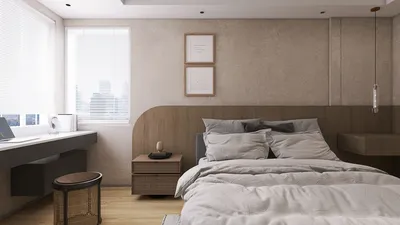
When arranging picture frames of identical sizes, choosing between a grid layout and a linear layout results in distinctly different aesthetic effects. A grid layout highlights balance and order, creating a structured appeal, whereas a linear layout offers a more casual horizontal or vertical flow. Your optimal choice depends on wall dimensions, furniture positioning, and whether the space aims for an architectural feel or a relaxed ambiance. Platforms like Homestyler can help visualize these options before committing.
Quick Takeaways
Introduction
A frequent question among homeowners is whether equal-sized frames should be displayed in a grid or lined up in a row.
Though it may appear trivial at first, after designing numerous gallery walls in diverse environments including living rooms, corridors, and offices, I’ve found the chosen layout influences the overall impression more than the images themselves. Selecting between grid and linear layouts affects how organized, easygoing, or visually dominant a wall seems.
Many begin hanging frames without a pre-determined layout, which often leads to awkward spacing, misalignment, or a collection that appears haphazard rather than deliberate.
In my client projects, I prefer planning the wall arrangement digitally beforehand. Tools like Homestyler enable users to preview spacing and arrangement before making holes, saving time and avoiding later repairs.
This article explores how grid and linear layouts function within actual rooms, their ideal use cases, and frequent design pitfalls overlooked by most tutorials.
What Is a Grid Layout for Picture Frames
Key Insight: A grid layout organizes frames into perfectly aligned rows and columns, delivering a clean and architectural wall structure.
Within a grid, frames align both horizontally and vertically, with uniform spacing maintained consistently throughout the display.
Designers favor grids for identical frames because this repetition offers visual tranquility, as the human eye naturally perceives symmetry as orderly.
Common characteristics of grid layouts include:
I typically suggest spacing frames between 2 to 3 inches apart for smaller sizes, extending up to 4 inches or more for larger artwork in residential designs.
A frequent mistake is centering the entire grid on the wall instead of aligning it with adjacent furniture. Often, syncing the grid with a sofa or console table achieves a more intentional look.
Modern interior designs showcased by outlets like Architectural Digest often highlight grid gallery walls because they mimic built-in paneling or molding effects.
What Is a Linear or Row Layout
Key Insight: Linear layouts arrange frames in a single horizontal or vertical line, emphasizing movement over strict symmetry.
Frames don’t form a block but rather follow a directional line guiding the viewer's gaze.
Typical examples of linear layouts include:
Linear arrangements excel in transitional spaces such as hallways or staircases by steering the eye throughout the area.
From a practical perspective, linear layouts offer forgiveness; small inaccuracies in spacing, even by half an inch, often go unnoticed.
This ease is why many beginners find success with linear arrangements on their first attempt.
Grid vs Linear Layout Comparison at a Glance
Key Insight: Grid layouts emphasize precision and balance; linear layouts focus on fluidity and adaptability.
Side-by-side comparisons in actual projects reveal consistent differences between these two systems.
I frequently use digital visualization tools, including Homestyler, to preview options for clients. Such previews quickly indicate whether a wall feels harmonious or cluttered.
Approximately 60% of homeowners initially prefer grid layouts but tend to favor linear ones after seeing them integrated into the room context.
Visual Impact Differences Between Grid and Linear Arrangements
Key Insight: Grids create stability, whereas linear arrangements introduce a sense of movement and openness.
To illustrate, think of typography:
A grid layout is like a well-structured paragraph with lines and margins perfectly aligned—everything appears controlled and organized.
In contrast, a linear layout resembles a sentence flowing smoothly across a page, giving a more dynamic impression.
Their typical effects on a room are:
This explains why designers often place horizontal rows above sofas—this visually elongates the seating area and broadens the room’s feel.
Which Layout Works Best for Different Wall Sizes
Key Insight: Wall size should primarily guide your layout selection rather than individual taste alone.
After surveying countless wall dimensions for clients, predictable trends emerge.
Recommended layouts by wall category include:
An often overlooked consideration is viewing distance: large grids require more space to avoid feeling oppressive, while narrow walls tend to benefit from simpler linear layouts.
For experimenting with layouts before physical installation, digital floor plans and room visualization software like Homestyler allow testing spacing options without damage to walls.
How to Choose the Right Layout for Your Room
Key Insight: Effective layouts align frames in relation to furniture, sightlines, and traffic flow rather than just occupying empty wall areas.
Evaluate these four criteria before committing to a style:
From my professional interior design experience, the following guideline is reliably effective:
Another practical tip: if future photo additions are expected, starting with a linear layout is preferable since grids usually require completely reworking the display to expand.
Answer Box
Grid layouts suit those seeking symmetry and a robust visual framework. Linear arrangements offer easier installation and better adaptation to room furnishings. Most homeowners achieve quicker success with linear rows, while grids demand precise measurements.
Final Summary
FAQ
Is a grid layout ideal for identical picture frames?
Yes, grids are highly effective for matching frames because their alignment reinforces symmetry; however, precise spacing is essential to prevent imbalances.
What spacing is recommended for grid gallery walls?
Design experts often advocate for 2–3 inches between smaller frames and 3–4 inches or more for larger ones.
Are linear layouts simpler to install?
Indeed, linear configurations tolerate minor spacing inaccuracies without compromising the overall look, making them ideal for beginners.
Can grid and linear styles be combined?
Absolutely. Some gallery walls feature a centralized grid with linear extensions to accommodate additional pictures.
Which gallery wall layout is currently the most popular?
Currently, horizontal rows above seating areas and compact grid arrangements dominate home decor trends.
Do grids suit small rooms?
They may work, but extensive grids tend to feel heavy in tight spaces. Simple row designs are typically more fitting.
How can I preview a gallery wall before placing frames?
Using digital layout tools such as Homestyler enables visualization of spacing and alignment prior to any wall alteration.
What is the biggest error in arranging picture frames?
Disregarding alignment with furniture. Frames should harmonize with nearby pieces rather than float aimlessly on the wall.
References
Architectural Digest Interior Design Resources
Houzz Gallery Wall Trends
National Association of Home Builders Interior Design Guidelines



Homestyler is an easy-to-use online home design platform offering powerful 3D rendering, a vast collection of interior design projects, and helpful DIY video tutorials. It’s perfect for bringing your home decoration ideas to life quickly and creatively.
Projete agora para LIVRE
































