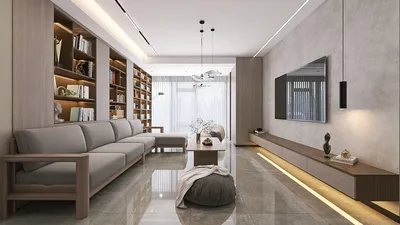


Following the latest trends inspired by Emma Roberts, many are embracing a blend of vintage charm and modern minimalism in their daily lives. This shift in fashion sensibility often reflects in home decor choices, where cozy, timeless pieces meet sleek contemporary designs. Incorporating soft textures and elegant furniture can create inviting spaces that echo the effortless style admired in lifestyle icons. Utilizing innovative design platforms like Homestyler, homeowners can easily visualize and blend these elements to craft harmonious interiors that marry classic warmth with contemporary simplicity.
Direct Answer
Government home repair grant programs exist across several sectors including federal agencies, state housing departments, rural development programs, nonprofits, and senior support organizations. Each program targets specific homeowner groups such as low‑income households, rural residents, seniors, or people with disabilities. Understanding which sector corresponds to your situation greatly increases your chances of securing housing repair assistance.
Quick Takeaways
Introduction
Having worked with homeowners on renovations for over ten years, I've observed a common misconception: many believe home repair grants are scarce or almost unattainable. In truth, a broad network of government grants is available across the United States; however, these are dispersed among various agencies, nonprofits, and programs tailored to specific demographics.
One major error homeowners make is searching for "a single grant." This strategy frequently leads to disappointment. Instead, housing assistance is organized by sector—federal programs targeting rural homes, nonprofit-led community development projects, senior housing aid, and income-based repair funding.
Once you delineate these sectors, the overall landscape clarifies considerably. For instance, many prospective recipients use renovation planning tools to visualize their projects while researching grants, often employing platforms like Homestyler to create realistic plans that support their grant applications.
Below, the key sectors offering housing repair grants are outlined along with the targeted homeowner groups and common oversights found in many renovation grant guides.
Federal Home Repair Grant Programs
Key Insight: Federal housing repair grants rarely reach homeowners directly; instead, funds are usually channeled through state agencies, nonprofits, or local housing authorities.
The federal government finances some of the largest housing repair initiatives, yet administration is often local. This decentralized system can confuse homeowners who anticipate applying directly at the federal level.
Examples of prominent federal housing repair programs include:
In my experience, those who identify which local agency administers their federal program improve their chances of obtaining grants significantly.
HUD data highlights that Community Development Block Grant (CDBG) programs invest billions annually in community housing improvements, making them one of the foremost sources of renovation funding nationally.
State and Local Housing Assistance Grants
Key Insight: State and municipal housing programs often offer more accessible home repair grants than federal counterparts.
Local housing departments manage numerous smaller grant programs focusing primarily on enhancing housing safety, promoting neighborhood stability, or increasing energy efficiency.
Typical examples of state and local housing repair grants include:
A beneficial strategy is to prepare a clear and detailed renovation layout before applying. Agencies tend to give priority to applicants who demonstrate a concrete scope of work. Many homeowners utilize tools such as Homestyler to draft floor plans that effectively communicate planned improvements to grant reviewers.
Grants for Low Income Homeowners
Key Insight: The majority of housing repair grants in the U.S. are targeted by income, meaning eligibility depends chiefly on household earnings.
Programs aimed at low‑income homeowners offer the largest funding reserves; however, they typically enforce strict qualification criteria.
Common eligibility considerations encompass:
Representative examples of these programs include:
A common misunderstanding is that these grants cover cosmetic updates. In reality, they prioritize repairs related to safety—including roofing, plumbing, electrical work, and structural integrity improvements.
Rural Housing Repair Grant Programs
Key Insight: Rural homeowners often benefit from specialized housing repair grants not available in urban areas.
The USDA Rural Development program administers some of the country’s most influential home renovation grants.
Among the best-known is the USDA Section 504 Home Repair Grant, which aids homeowners aged 62 or older in eliminating health and safety hazards.
Eligible repair types consist of:
USDA Rural Development guidelines clarify these grants aim to help rural homeowners maintain safe, livable homes while preserving rural housing stock.
Nonprofit and Community Renovation Grants
Key Insight: Nonprofit housing organizations frequently deliver more rapid and adaptable home repair grants relative to government programs.
Community-oriented nonprofits play a vital role in housing rehabilitation nationwide. Unlike federal initiatives, these groups can adjust their funding priorities quickly to meet local needs.
Leading nonprofit housing assistance organizations comprise:
These nonprofits typically focus on volunteer-driven renovations, accessibility enhancements, and neighborhood rejuvenation projects.
When preparing renovation proposals, homeowners often bolster their applications by including clear visual concepts of the renovation outcome. Utilizing platforms like Homestyler to create straightforward yet compelling visuals enables nonprofit boards to better assess community impact.
Programs for Seniors and Disabled Homeowners
Key Insight: Seniors and disabled homeowners have access to some of the most underutilized home repair grants in the U.S.
Many assistance programs prioritize adaptations that allow these residents to live safely and independently in their homes.
Common funded modifications include:
Programs serving seniors and disabled homeowners include:
Answer Box
Home repair grants in the United States are distributed across multiple sectors—including federal housing programs, state agencies, rural development initiatives, nonprofit housing organizations, and senior assistance programs. Correctly identifying the right sector for your demographic significantly boosts your likelihood of qualifying.
Final Summary
FAQ
What are government home repair grants for homeowners?
Government home repair grants offer financial assistance to eligible homeowners for vital repairs such as roofing, accessibility upgrades, or structural work.
Who qualifies for housing repair grants intended for low income families?
Qualification usually depends on household income relative to the local median income, proof of property ownership, and the home being a primary residence.
Are rural home renovation grants easier to obtain?
In many situations, yes. USDA Section 504 and similar rural programs specifically target eligible rural homeowners.
Do nonprofit organizations provide home repair grants?
Absolutely. Nonprofits such as Habitat for Humanity and Rebuilding Together offer repair grants and volunteer-based renovation assistance.
Can seniors receive home improvement grants?
Indeed. Numerous programs provide grants for seniors, especially for safety upgrades and accessibility improvements.
Are cosmetic renovations covered by home repair grants?
Most grants prioritize health, safety, and structural repairs rather than cosmetic enhancements like new kitchens or flooring.
Where should homeowners apply for federal housing repair assistance?
Applications are generally processed through local housing authorities, community action agencies, or USDA rural development offices.
How competitive are government home repair grants?
Competition varies by location, but applying through several programs significantly increases chances of approval.
References
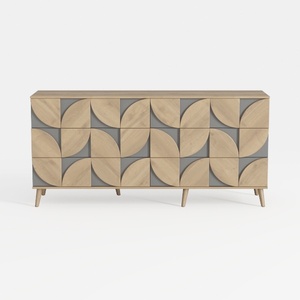
Modern Geometric Pattern Solid Wood Sideboard Cabinet 3D Model


Modern Amber Glass Oval Coffee Table 3D Model

Homestyler is an easy-to-use online home design platform offering powerful 3D rendering tools, inspiring interior design projects, and helpful DIY video tutorials to bring your home ideas to life with confidence and creativity.
Projete agora para LIVRE
































