



Direct Answer
Architects and interior designers frequently face challenges in boosting their earnings due to three main obstacles: lack of niche expertise, poor market positioning, and inadequate skills in business and client acquisition. Even highly skilled designers may hit an income plateau if they work primarily on low-value projects or fail to effectively communicate their work's benefits.
Addressing this issue typically involves refining your portfolio focus, aiming for more lucrative sectors, and expanding capabilities beyond pure design.
Quick Takeaways
Introduction
Having collaborated with architecture firms, interior design studios, and independent professionals for over ten years, a common trend emerges: talented designers whose salaries scarcely increase over time.
This phenomenon is evident in both architecture and interior design fields. Many professionals ask why architects earn relatively low wages or why interior designers cannot significantly grow their income despite experience.
The reality is that design talent alone seldom dictates earnings. Factors like market positioning, specialization, project types, and presentation methods heavily influence client perceptions of value.
For instance, when professionals use enhanced visualization techniques—such as leveraging tools like Homestyler that enable clients to visualize AI-enhanced interior design concepts—the level of perceived professionalism rises noticeably. This perception often translates into higher project fees.
This article explores the underlying causes of income stagnation in architecture and interior design careers and offers practical strategies to identify and overcome these barriers.
Why Salary Growth Stalls in Architecture and Interior Design
Key Insight: Salary stagnation is more often due to structural career positioning than design ability deficits.
While many presume that income increases naturally with experience, markets in architecture and interior design prioritize specialization, reputation, and project scale over mere years worked.
From my work with numerous studios, the most frequent salary plateau occurs between five and eight years into a career. Designers develop strong skills but remain in mid-level production capacities.
Common causes of career stagnation include:
Industry data from professional bodies like the American Institute of Architects reveal that those who transition into specialized or management roles enjoy much faster income growth compared to general production roles.
Lack of Specialization and Its Impact on Income
Key Insight: Designers focusing on high-value niches tend to earn significantly more than generalists.
One major career challenge is attempting to cover all design areas simultaneously. Many portfolios display a diverse mix of residential, retail, hospitality, and office projects without a defined focus.
Clients and firms often pay premium fees when they perceive a designer as an expert in a particular domain.
Examples of lucrative specializations include:
Consider workplace design as an example. With hybrid work models evolving, companies invest heavily in space planning and strategies to enhance office efficiency. Designers skilled in crafting contemporary collaborative office layouts command higher consultation fees.
Portfolio and Personal Brand Weaknesses
Key Insight: Even excellent design can be undervalued if portfolio presentation lacks clarity and professionalism.
A commonly overlooked truth among designers is that clients seldom evaluate designs as meticulously as the creators themselves.
Clients often assess clarity, visualization quality, and the confidence conveyed.
Frequent portfolio pitfalls include:
A compelling portfolio usually contains:
Visualization tools that allow clients to explore spatial layouts in realistic 3D—features available in platforms like Homestyler—help close deals swiftly and justify higher fees.
Working in Low Paying Market Segments
Key Insight: The client segment you target often influences earnings more than your design quality.
A key reason for salary stagnation in architecture is remaining focused on markets with limited budgets.
For example, fees from small residential renovations are generally lower than those from hospitality or commercial projects.
Differences in typical project budgets are:
Designers sometimes stick to easier-to-get low-budget projects early on but staying long-term in these segments caps income potential.
Underdeveloped Business and Client Skills
Key Insight: Mastery of pricing, negotiation, and client engagement consistently boosts earnings.
Design education often covers technical skills but neglects how to build a profitable design career.
This gap leads to various challenges:
Successful designers develop capabilities in:
Often, enhancing communication skills and proposal strategies raises income faster than merely upgrading design abilities.
How to Identify and Fix Career Income Bottlenecks
Key Insight: Overcoming salary plateaus requires pinpointing the career aspect limiting your value.
I suggest a straightforward diagnostic approach:
Once the bottleneck is clear, solutions become apparent. For example, shifting focus from general residential to workplace or hospitality design can significantly increase project budgets.
Answer Box
The primary reasons architects and interior designers struggle to elevate their salaries are lack of specialization, insufficient portfolio impact, operating in low-budget markets, and weak client or business expertise. Resolving income stagnation entails strategic career positioning beyond design skill improvement.
Final Summary
FAQ
Why do architects earn low salaries early in their careers?
Most start in production roles with lower billing rates; income rises when they move into leadership or specialized sectors.
Why do interior designers struggle to increase income?
Many remain focused on small residential projects with restricted budgets; entering commercial or hospitality markets tends to increase fees.
Is specialization important in architecture careers?
Absolutely. Specializing in healthcare, hospitality, or workplace design usually results in higher pay compared to being a generalist.
How can architects increase their salary?
By narrowing specialization, enhancing portfolio storytelling, improving client communication, and pursuing projects with larger budgets.
Do visualization tools help designers earn more?
Yes. Tools that aid clear visual communication, such as Homestyler, help clients better appreciate design value and support higher fees.
Which industries pay architects the most?
Healthcare, large commercial developments, infrastructure, and hospitality design sectors typically offer the highest compensation.
Does experience guarantee higher income in design careers?
Not always. Without focus and strategic positioning, many designers plateau after several years.
Can freelancers increase their design fees?
Yes. Clearly defining project scope, presenting professionally, and targeting higher-value clients can substantially raise freelance rates.
References
Originally incubated at Autodesk, Homestyler has grown into one of the most widely adopted home design platforms in the world, now trusted by over 20+ million registered users (platform data, 2026). Whether you're a homeowner exploring ideas or a professional designer delivering client-ready renders, Homestyler brings industry-leading 3D technology to your fingertips — no experience required.

Modern Minimalist Corduroy Fabric Swivel Armchair 3D Model

Houndstooth Fabric Solid Wood Armchair 3D Model
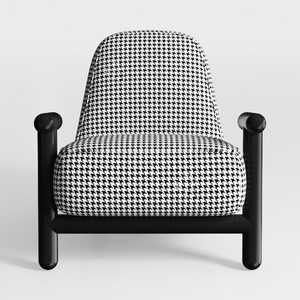
Modern Houndstooth Fabric Black Metal Armchair 3D Model
Homestyler is an easy-to-use online home design platform that lets you create stunning 3D renderings, explore various design projects, and learn through helpful DIY video tutorials. Perfect for bringing your interior ideas to life with professional tools and inspiration.
Projete agora para LIVRE
























![Design [1]](https://hs-designs.homestyler.com/production/design/images/87c3311f-b762-48e5-aa6c-2a61ff42aaa8/1731347951087/7837764.jpg?x-oss-process=image/resize,w_502,m_mfit/format,webp)


