

Direct Answer
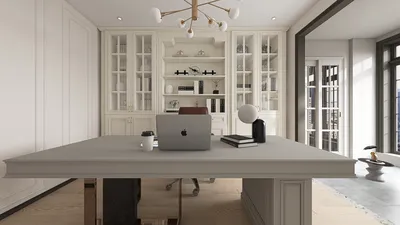
Interior designers frequently utilize faux bookshelves in home staging and retail displays to craft convincing lifestyle scenes without incurring the expense, weight, or permanence associated with real built-in shelves. These decorative shelving arrangements help direct visual focus, fill empty walls, and convey the intended ambiance and function of a space. In staging and showroom design, the objective isn’t storage but storytelling.
Quick Takeaways
Introduction
In professional staging, artificial bookshelves are a subtle design strategy that buyers often overlook but nonetheless impact their perception. Having worked on model homes, retail showrooms, and rapid property staging for over ten years, I've found that decorative shelving transforms a bare room more effectively than many other styling features.
The explanation is straightforward: vacant rooms feel impersonal, whereas shelves filled with thoughtfully selected items evoke a lived-in environment. This is precisely the impression real estate agents want potential buyers to envision.
In numerous Southern California staging projects I've been involved with, lightweight faux shelving units have entirely replaced costly built-ins. They photograph with great appeal, can be easily repositioned between listings, and effectively define awkward wall spaces that might otherwise seem incomplete. Designers often employ visualization tools, such as those provided by Homestyler, to experiment with furniture placement ahead of staging, significantly accelerating layout decisions.
This article explores how expert stagers, interior designers, and retail display professionals leverage fake bookshelves and apply subtle styling techniques to ensure these shelves look authentic rather than mere decorative fillers.
save pin
Why Fake Bookshelves Are Favored in Home Staging
Key Insight: Fake bookshelves thrive in staging because they mimic built-in architectural elements without requiring permanent installation.
Real estate staging demands speed and adaptability. Properties often need to be styled, photographed, and show-ready within tight timeframes. Permanent carpentry doesn't align with these fast-paced schedules.
Faux shelving addresses multiple staging challenges simultaneously:
According to reports from the National Association of Realtors, staged homes tend to sell quicker and often command higher offers. Decorative shelving plays a role by visually completing spaces that might otherwise feel barren or disjointed.
An empty wall poses a problem; a stylishly arranged bookshelf conveys a particular lifestyle.
Creating Lifestyle Scenes with Decorative Shelving
Key Insight: The essence of professional shelf styling lies not in showcasing books, but in expressing how the space should be inhabited.
In staging, books typically form only a small part of the overall display. Designers blend various object types to construct a credible everyday narrative.
A common staging shelf composition includes:
The crucial factor often missed is varying scale. Uniformly sized items on a shelf immediately look artificial.
Professional stylists tend to adhere to a loose ratio guideline:
This equilibrium ensures shelves appear curated and authentic instead of staged.
save pin
Retail Display Strategies Utilizing Faux Bookshelves
Key Insight: Retail designers employ fake bookshelves as lifestyle backdrops that subtly steer customer attention toward featured products.
In showrooms and boutique retail settings, shelves serve almost as theatrical sets. Instead of focusing on books, they frame products within a plausible home environment.
For example:
The underlying visual technique is environmental context. Customers perceive products not in isolation but as integrated within a lifestyle.
Before constructing retail displays, many designers use tools like Homestyler to produce realistic interior renderings of staged scenes. These previews allow teams to experiment with shelf arrangements and lighting prior to installation.
Visual Storytelling Through Shelf Styling
Key Insight: The most compelling staged shelves subtly narrate who might inhabit the space.
This aspect is where numerous DIY attempts fail; random decor leads to visual clutter rather than storytelling.
Professional stagers usually design shelf vignettes based on character profiles:
Each profile informs the choice of items displayed on the shelves.
Example comparison:
This narrative-centric approach renders shelves feeling genuine rather than mere decorative fillers.
save pin
Examples from Model Show Homes
Key Insight: Model homes frequently rely on faux shelving to impart structure and purpose to large, open areas.
One instance from a recent show home involved a vast living room wall that appeared visually empty in photographs. Installing a tall fake bookshelf immediately yielded three design advantages:
An additional subtle advantage: shelves provide photographers with foreground visual layers, enhancing depth perception in wide-angle real estate images.
Before such installations, many teams utilize digital floor planning software, including platforms like Homestyler, to map out staging layouts within the floor plan prior to moving furniture.
This process avoids awkward furniture arrangements that might otherwise necessitate reshooting listing photos.
save pin
Lessons Homeowners Can Learn from Professional Stagers
Key Insight: The principal lesson from expert staging is restraint—shelves appear more upscale when not overcrowded.
Homeowners often attempt to fill every shelf space, whereas stagers intentionally leave breathing room.
Styling principles worth adopting include:
Another often overlooked tip is selecting books by spine color rather than content. Neutral covers photograph better and reduce visual noise.
Answer Box
Fake bookshelves are extensively utilized in staging and retail environments because they add architectural depth, convey lifestyle narratives, and create visual harmony without permanent construction. When styled with intention, they assist buyers in visualizing how a space functions and feels lived-in.
Final Summary
FAQ
Do home stagers actually use fake bookshelves?
Indeed. Many staging professionals rely on lightweight decorative shelving to mimic built-ins without permanent setup.
Why are fake bookshelves effective in home staging?
They introduce visual dimension, make rooms appear inhabited, and help potential buyers picture daily life within the space.
Are decorative shelves a common feature in real estate staging?
Very much so. Shelving units help balance bare walls and serve as focal points in property images.
Do staged shelves require actual books?
Not necessarily. Designers frequently mix decorative boxes, art pieces, plants, and neutral-toned books to craft balanced arrangements.
Can fake bookshelves boost home value?
Indirectly, yes. By enhancing presentation, they elevate buyer interest and perceived property worth.
How do interior designers professionally style shelves?
They combine objects of varying heights, apply restrained color schemes, and incorporate negative space to prevent clutter.
Are fake bookshelves applied in retail displays?
Absolutely. Shelf styling in retail creates lifestyle contexts that naturally highlight products.
What is the biggest error when styling shelves?
Overfilling shelves is a common mistake. Excessive items disrupt visual hierarchy, making shelves look cluttered rather than curated.
References
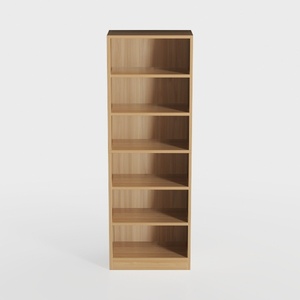
Minimalist Solid Oak Open Storage Bookshelf 3D Model

Minimalist Solid Oak Bookshelf Open Storage Cubby 3D Model
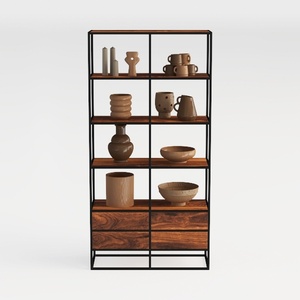
Furologee 6-Tier Bookshelf, Tall 71" Rustic
Homestyler is an easy-to-use online platform offering powerful home design tools, stunning 3D renderings, inspiring design projects, and helpful DIY video tutorials—perfect for bringing your interior decoration ideas to life with confidence and creativity.
Projete agora para LIVRE
































