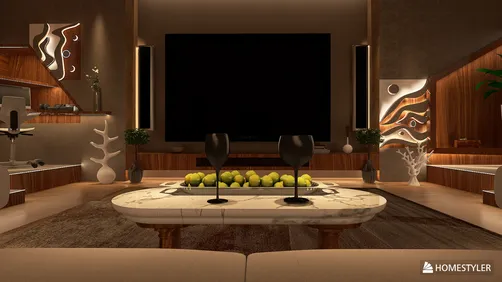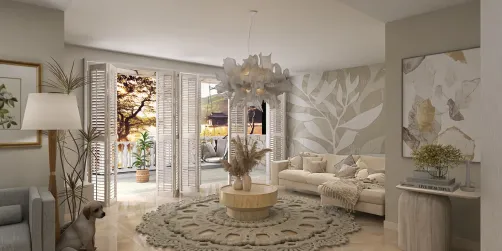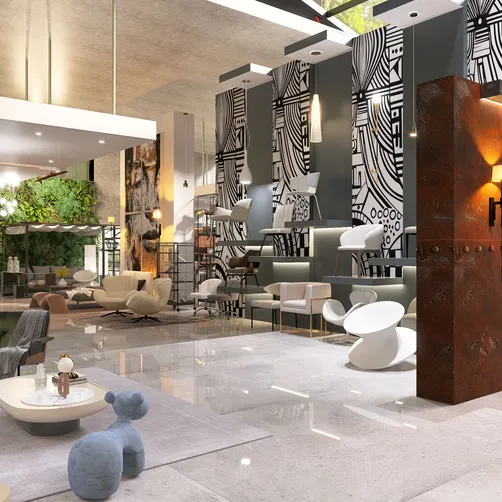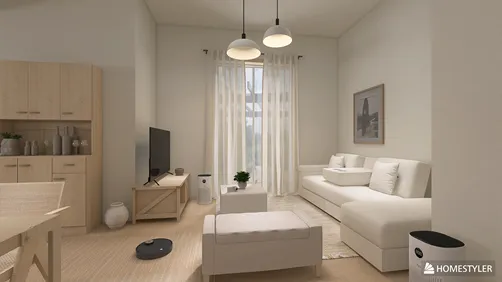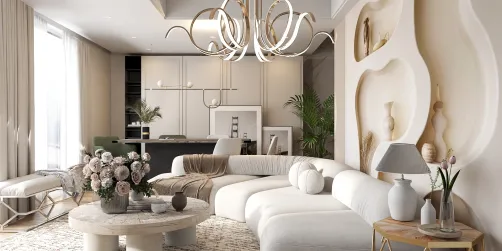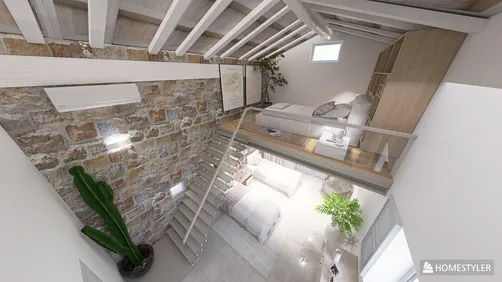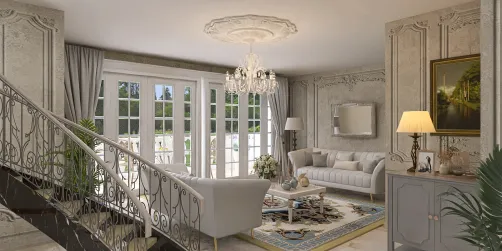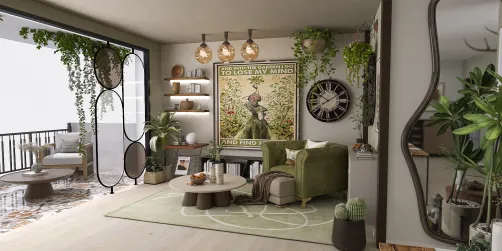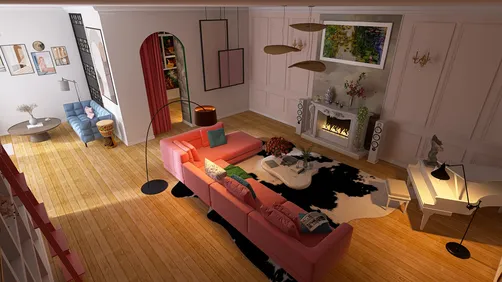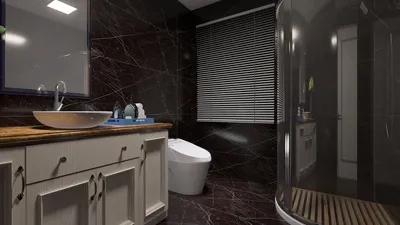
I have strategically utilized mats in various settings such as apartments, offices, and hospitality projects where making larger alterations was not feasible due to budget constraints. Selecting the appropriate mat can significantly reshape the flow of a space, anchor furniture effectively, enhance acoustic comfort, and create an immediate uplift in perceived quality within minutes. When executed well, it serves as an instant yet enduring enhancement.
One critical aspect that is frequently overlooked pertains to performance: soft surfaces are effective in minimizing reverberation time and footfall noise, which are essential elements for mental comfort and concentration. A Steelcase report indicates that noise distraction ranks as a primary concern influencing engagement in open spaces, with employees rating acoustic privacy as one of the least effective factors (Steelcase Global Report, 2016). On the other hand, WELL v2 emphasizes that noise and speech privacy are vital contributors to cognitive comfort in commercial settings (WELL v2—MIND and ACO features). By choosing a dense, fiber-rich mat strategically placed, you can significantly reduce sound transmission and foster more peaceful movement throughout the area.
Furthermore, color plays a crucial role beyond simple decoration. According to an overview on color psychology by Verywell Mind, vibrant warm tones can feel invigorating, while cooler shades provide a sense of calm; the brightness of colors also influences perceptions of space and weight. Selecting a color palette that aligns with the desired behavior—whether to energize, enhance focus, or relax—enables the mat to serve a dual purpose: it styles the environment and influences the atmosphere.
How Mats Instantly Transform a Room
• Define spaces without barriers: A generously sized area mat can visually anchor furniture such as a sofa set, dining area, or reading nook. In studios or open-plan designs, it replaces walls with visual clarity, enhancing flow. For quick experimentation in spatial planning, consider using an interior layout planner or a room layout tool like Homestyler to simulate outlines and clearances.
• Modify spatial proportions: Adjusting the size of the mat can alter the perceived dimensions of a room—larger mats can elongate or unify the area, while smaller mats can create a highlighted vignette. Ideally, ensure that at least the front legs of sofas and chairs rest on the mat to visually connect the pieces.
• Control acoustics: Materials like dense wool, felt blends, and multi-layer flatweaves are excellent for absorbing footfall and diminishing high-frequency reflections, which helps clarify speech in settings such as living rooms and home offices.
• Improve comfort and safety: A cushioned underlay can ease strain on joints—especially important in standing work areas and play zones. Ensure that the non-slip backing is a priority for hard floor surfaces.
• Enhance rhythm and coherence: Repeating a specific color or pattern across your mats and soft furnishings creates a unified palette without necessitating an entire redesign.
Choosing the Right Size and Proportion
Living Rooms: For standard seating arrangements, aim for a mat that extends at least 8–12 inches beyond the front edge of the sofas to prevent the ‘floating island’ appearance. If the room is elongated, consider layering a runner behind the sofa to visually balance the space.
Dining Rooms: Ensure that chairs are fully positioned on the mat even when they are pulled out—this usually corresponds to the table size plus 24 inches on each side. This practice helps prevent wobbling during transitions and offers protection for floors from chair wear.
Bedrooms: A full-width mat beneath the bed should extend 18–24 inches on each side and at the foot for added comfort during morning routines. In smaller spaces, consider utilizing two runners alongside the bed to maintain an open center area.
Home Offices: Select a low-pile mat to facilitate chair movement while also muffling noise. Maintain a clearance of 30–36 inches from edges to walls to ensure ease of movement and prevent curling at the edges.
Material Options: Performance, Comfort, and Sustainability
• Wool: Known for its natural resilience, flame resistance, and sound-absorbing properties, wool offers warmth underfoot, making it ideal for living spaces and bedrooms. It is a worthwhile investment as it ages gracefully.
• Recycled PET: Stain-resistant and often rated for outdoor use; suitable for entryways and dining rooms. Look for tightly woven designs to prevent snags.
• Cotton flatweave: Lightweight, breathable, and simple to maintain; perfect for seasonal color changes. Including a quality underlay prevents movement.
• Jute/Sisal: Provides an earthy texture paired with strong visual warmth. Best utilized in dry areas; consider a felt underlay to soften the feel.
• Performance nylons: Known for durability and colorfastness; particularly beneficial in high-traffic areas and children's zones.
• Cork and natural rubber mats: Offer excellent grip along with subtle acoustic mitigation, ideal for standing desks or yoga spots.
Effective Color Psychology
• Focus areas: Utilize cool neutrals, muted greens, and soft blues to promote calm, task-focused behavior.
• Social hubs: Warm shades like terracotta, ochre, or rust invoke conversation and create a cozy atmosphere during evening hours.
• Compact areas: Lighter colors increase the perception of volume. A low-contrast border helps avoid visual fragmentation.
• Layering patterns: Combine one bold motif with more subdued solids to minimize visual clutter. Match the scale of patterns to the size of the room—larger spaces can incorporate bold, oversized designs without feeling overwhelming.
Light, Glare, and Texture
Direct sunlight can fade natural fibers; rotating mats every few months will help distribute wear evenly. In areas with high glare, use matte textures and heathered yarns to soften hotspots. For evening ambiance, pair mats with 2700–3000K ambient lighting to create a warm and inviting atmosphere while minimizing glare from low angles.
Acoustics: The Importance of Mats
Position dense mats at initial reflection points—between speakers and seating areas in media rooms, as well as along walkways adjacent to hard surfaces. Combine this with fabric drapery or upholstered panels to achieve optimal sound absorption, maintaining clarity of speech frequencies without making the room feel lifeless.
Ergonomics and Human Interaction
At standing desks or kitchen work areas, a 3/4–1 inch anti-fatigue mat diminishes joint stress during repetitive tasks. Ensure edges are beveled to avert tripping hazards. For wheelchair accessibility, prioritize thinner, firm mats with taped edges and minimal transition heights.
Layout Strategies I Utilize
• The anchor-and-runner arrangement: A large anchor mat situated under main seating complemented by a runner in the hall creates a seamless visual flow in open-plan settings.
• The layered comfort approach: A large neutral base mat topped with a smaller patterned one placed at an angle adds depth and seasonal adaptability.
• The mirroring effect: Two smaller mats flanking a fireplace or media console create balance in asymmetrical designs.
• The dining area solution: Performance flatweave beneath the dining table with a discreet border to define the space without being overly conspicuous.
When assessing clearances, I prefer to outline furniture layouts and mat dimensions in a room design visualization tool before making final decisions. Using a layout simulator like Homestyler enhances my understanding of circulation space, door movements, and distances for repositioning chairs.
Care, Maintenance, and Longevity
• Underlays: Always opt for felt or natural rubber underlays suitable for your type of flooring; these enhance cushioning, safety, and operational lifespan.
• Rotation: Rotate or flip mats every season to evenly distribute wear from UV exposure and foot traffic.
• Spot cleaning: Blot, don’t rub. Use pH-neutral cleaning products and test them in an inconspicuous area first.
• Professional cleaning: Schedule deep cleans annually for wool mats and heavily trafficked areas. Beat or vacuum using a beater bar off for looped and flatweave constructions.
Cost-Effective Enhancements
Prioritize investments based on potential impact: start with a primary living area mat, then move to a bedroom comfort mat, followed by mats for high-traffic zones. Experiment with cotton or recycled PET for seasonal color and patterns—transition to wool once the color scheme is well-established.
Room-by-Room Recommendations
• Entry: Opt for durable, dark-toned mats with a tight weave; consider scraper textures or performance fibers.
• Living: Large wool or thick blends that support the front legs of seating arrangements.
• Dining: Easy-to-clean flatweaves with 24-inch clearance around chairs.
• Bedroom: Soft, plush mats beneath the bed; runners for narrow spaces.
• Kids’ areas: Low pile, stain-resistant mats; tape edges for safety and provide non-slip features.
• Office: Low-pile for caster support; neutral tones to assist with focus; include an acoustic pad underneath.
• Outdoor: Use UV-resistant recycled fibers; include a breathable pad to avoid moisture accumulation.
Frequently Asked Questions
Q1: What size should a living room mat be?
A: Ideally, the mat should accommodate at least the front legs of all seating. For medium-sized rooms, this typically means a mat around 8x10 feet; for larger sectionals, a size of 9x12 feet is advisable to prevent a fragmented appearance.
Q2: Which material offers the best acoustic properties?
A: Dense wool or felt blends are optimal for sound absorption and reducing footfall noise. Pair them with a thick felt underlay to enhance effectiveness, particularly in open areas.
Q3: What type of mat is suitable for use with a rolling office chair?
A: Choose a low-pile, tightly woven mat (such as performance nylon or flatweave wool). Ensure the edges are taped or bound, and use a firm underlay to prevent casters from sinking into the mat.
Q4: How do I choose colors that cater to the purpose of the room?
A: Utilize cooler, muted hues for focus areas and warmer, richer shades for social zones. Lighter mats can expand the feel of smaller rooms, while darker shades ground expansive, high-ceiling environments.
Q5: Can natural fibers withstand the rigors of dining rooms?
A: Yes, provided the weave is suitable. A tight wool flatweave or performance-treated wool holds up against wear and is easier to clean than loose, high-pile materials. Recycled PET is another practical option for spill-prone areas.
Q6: What is the optimal clearance around a dining table mat?
A: Add 24 inches on each side of the table to ensure chairs remain fully on the mat when pulled out. This approach minimizes tipping and edge curling over time.
Q7: How do mats promote well-being in multifunctional spaces?
A: They help define areas, reduce noise levels, and establish visual rhythm—all of which are linked to comfort and concentration. Noise management is consistently identified in workplace studies as a crucial element for performance and satisfaction.
Q8: Is layering mats a good idea?
A: Layering adds both texture and depth. Employ a large neutral mat as a base and a smaller patterned one on top. Ensure the combined height remains low near doorways and transitions to prevent tripping.
Q9: What’s the safest option for households with children or older adults?
A: Select non-slip underlays, taped or bound edges, low pile for ease of movement, and stain-resistant fibers. Steer clear of high-pile shag textures as they can obscure small objects.
Q10: How frequently should mats undergo professional cleaning?
A: High-traffic areas should be cleaned annually, while bedrooms can be every 18–24 months. Regular vacuuming and seasonal rotation will help prolong their lifespan.
Q11: Can a mat enhance the feeling of space in a small room?
A: Absolutely. Opt for a larger, lighter mat that extends under furniture to minimize visual barriers. Keeping edges low-contrast fosters an expansive envelope.
Q12: What constitutes the best underlay?
A: Use felt for comfort and acoustic improvement; choose natural rubber for grip on slippery surfaces. A hybrid felt-rubber pad often provides the best balance of comfort and safety.
Homestyler is your go-to online platform for home design! With a user-friendly design tool, stunning 3D renderings, and a plethora of DIY video tutorials, you can effortlessly create and visualize your dream spaces. Perfect for both beginners and seasoned designers alike!