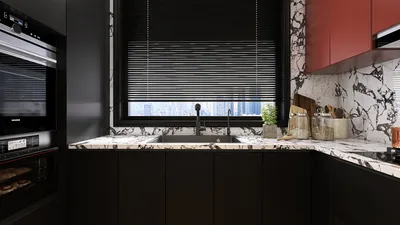


How Professional Interior Designers Optimize Small Spaces
Interior designers approach small room layouts by thoroughly assessing dimensions, traffic flow, furniture scale, and assigning multi-functional roles to the same area. Their objective goes beyond just fitting furniture; they aim to achieve harmony, fluidity, and practicality within limited space.
In expert projects, professionals merge meticulous measurements, zoning tactics, and proportional principles to make compact areas feel neat and roomy.
Essential Insights
Introduction
Having over ten years of experience in residential design, I can say this with certainty: small spaces truly test a designer’s grasp of spatial planning. Decorating a spacious room is straightforward, but mastering interior design for small rooms demands a unique approach.
Many homeowners try to tackle the difficulties of small rooms by choosing smaller furnishings or adding more storage. However, these solutions often fall short. The fundamental issue is spatial logic — understanding movement patterns, furniture-to-wall relationships, and visual balance.
Before placing any furniture in actual projects, designers often use digital tools to simulate various layouts. Platforms like Homestyler allow visualization of different furniture configurations within virtual spaces, helping to assess spacing and proportions before making physical adjustments.
This article reveals the professional workflow designers employ when planning compact interiors, including common pitfalls overlooked in typical online advice.
How Interior Designers Evaluate Room Dimensions
Core Principle: Spatial planning starts with understanding the room’s architecture, not the furniture.
The initial phase involves documenting the complete room structure—not just length and width but also architectural details.
Key considerations include fixed elements like doors, windows, radiators, and built-in features that influence usable space.
A frequent error made by homeowners is measuring only wall lengths while neglecting how much actual floor space is accessible. For instance, doors that swing inward can reduce the available floor area by several square feet.
According to guidelines from prominent organizations such as the National Kitchen & Bath Association, clearance zones for movement and obstacles must be factored into layout plans.
Professional Space Planning Strategies
Core Principle: Small rooms should feel organized and purposeful by applying zoning and hierarchy.
Rather than randomly placing furniture, designers segment the room into specific zones.
Common zoning approaches for small interiors involve defining functional areas such as seating, work, and circulation spaces.
An often-overlooked concept is "breathing space" — an open visual area that prevents a room from feeling congested even when all furniture fits.
In many projects I've completed, removing just one superfluous chair enhanced the room’s openness more effectively than adding storage options.
Significance of Traffic Flow Mapping
Core Principle: Effective movement through the room is crucial for a successful layout, regardless of decor style.
Traffic flow planning distinguishes professional designs from amateur setups.
Designers typically chart circulation paths prior to finalizing furniture placement.
Residential clearance standards usually recommend at least 30 inches for main walkways and 24 inches near key furniture pieces.
Digital planning tools—like Homestyler—enable previewing of pedestrian pathways in 3D floor plans, simplifying analysis before rearranging spaces.
Without adequate movement mapping, even rooms with sufficient floor area can feel cramped and awkward.
Furniture Sizing and Proportion Tips
Core Principle: The biggest mistake is not necessarily oversized furniture, but proportions that clash within the room.
Designers evaluate visual mass, not just physical dimensions, to maintain spatial balance.
For example, a bulky sofa paired with overly large chairs can overwhelm a compact room, whereas mixing scale carefully creates harmony.
Industry experts from leading design schools emphasize the importance of proportion hierarchy as a foundation for balanced interiors.
Interior Design Solutions for Multi-Functional Rooms
Core Principle: Overlapping uses in small spaces boost efficiency compared to segregated functions.
An advanced method is "layered functionality," blending related activities within the same footprint.
Examples include integrating a workspace within a living room or combining dining and relaxation areas.
However, a crucial rule is maintaining a clear focal point to avoid confusion and preserve order.
Therefore, designers typically create a dominant zone—like seating or a bed—before layering additional functionalities.
Summary of Professional Space Planning
Expert layouts prioritize circulation paths, proportional furniture choices, and zoning over merely fitting items in the room, achieving a balanced and livable environment.
Case Studies Demonstrating Design Impact
Key Insight: Sometimes removing furniture significantly improves the functionality of small spaces more than adding extra storage.
For instance, in a recent studio apartment redesign in Los Angeles, the initial client request included multiple large pieces like a sofa and dining set in a tight 320-square-foot area.
Instead, the space was reimagined with fewer but better-placed items to enhance movement and openness.
The outcome was more practical due to clear circulation paths.
With AI-assisted layout simulators such as those found in Homestyler, designers can quickly identify arrangements that maintain balance and prevent clutter.
Tips for Applying Professional Techniques at Home
Core Principle: Prioritize planning the layout digitally before moving or purchasing furniture.
Homeowners can follow a step-by-step method mirroring professional studio workflows to optimize small interiors.
Final Thoughts
Frequently Asked Questions
How do interior designers plan room layouts?
They accurately measure the space, map traffic flow, establish functional zones, and scale furniture accordingly to ensure balance and usability.
What is space planning in interior design?
It involves organizing furniture, pathways, and activity areas so a room operates efficiently and feels visually harmonious.
How much walking space is recommended in small rooms?
Designers typically recommend a minimum of 30 inches for main walkways and 24 inches around essential furniture such as beds or desks.
Which furniture suits small rooms best?
Pieces with slim, open designs and lighter visual weight are generally preferable to bulky, solid items.
Can interior designers make rooms appear larger?
Yes. Thoughtful layouts, proper proportioning, and clear movement paths can visually expand confined spaces.
What is the biggest mistake in small room design?
Neglecting circulation pathways is the leading error; restricted movement makes even well-decorated rooms feel cramped.
Do designers always use digital planning tools?
Many contemporary studios employ 3D floor plans and digital software like Homestyler to test design concepts before implementation.
How do designers effectively maximize small spaces?
By combining multi-functional uses, selecting appropriately sized furniture, and maintaining unobstructed circulation routes throughout the room.
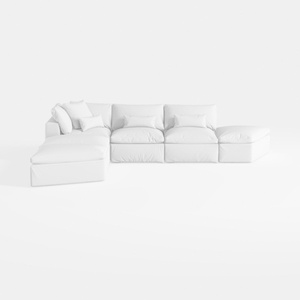

Minimalist White Fabric L Shaped Sectional Sofa 3D Model
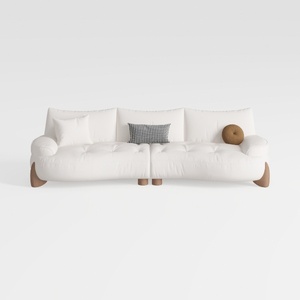
Minimalist White Fabric Curved Sofa With Decorative Throw Pillows 3D Model
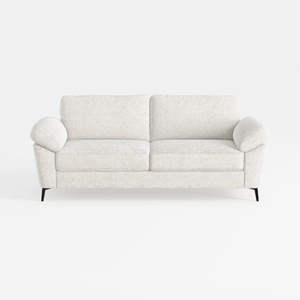
Minimalist Fabric Loveseat Sofa with Black Metal Legs 3D Model
Homestyler offers an easy-to-use online design tool combined with high-quality 3D renderings, inspiring design projects, and helpful video tutorials—making it simple to create and visualize your perfect home space.
Projete agora para LIVRE
































