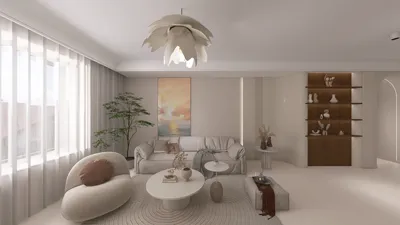


On one occasion, I arrived at a project site equipped with a ladder, paintbrushes, and no clue about the quantity of paint the client needed. She believed that two gallons would suffice for an entire Victorian house. We shared a laugh, and I took the opportunity to teach her a quick technique to "visualize colors in 3D" so she could understand the final look before purchasing any paint. This little incident reinforced the importance of accurate measurements and color previews, which ultimately save both time and money.
1. Measure wall area like an expert
My first step involves measuring both linear feet and heights: I calculate the area by multiplying length by height for each wall, and then consider any gables or dormers. While this arithmetic is straightforward, it can get tricky with intricate roofs; to determine the gross square footage required, multiply the total area by the number of coats needed.
save pin
2. Subtract openings for doors and windows
Doors and windows take away from the paintable surface area — estimate a deduction of around 20-50 square feet for each large opening, varying by style. Fortunately, this calculation allows for an accurate order for both the body and trim since different paint types will typically be used for these areas.
save pin
3. Understand paint coverage and primer requirements
Most exterior paint containers specify the coverage area — a general range is between 250-400 square feet per gallon, influenced by the texture and porosity of the surface. If you're working with raw wood, new siding, or making bold color changes, consider adding a primer coat; while primers usually have similar coverage, they may perform differently on uneven surfaces, leading to additional material and costs.
save pin
4. Factor in coats, weather conditions, and wastage
I always budget for two finishing coats plus primer when necessary, as this ensures better durability. Additionally, I recommend allowing 10-15% extra for waste, touch-ups, and absorption. It’s more prudent to have an additional quart on hand than to find yourself short on paint during an unpredictable gusty day.
save pin
5. Visualize, make smart purchases, and store leftovers
Prior to making any purchases, I like to apply sample paints to various walls and observe how they change under morning and evening light—testing small samples can prevent costly repainting. It's wise to buy full gallons for the main colors and quarts for accent shades, while properly sealing any remaining paint in labeled containers can be invaluable for future touch-ups.
save pin
Quick practical checklist
Measure the area of the exterior walls, deduct openings, multiply by the number of coats needed, divide by the paint coverage per gallon, and then add an extra 10-15% to cover any surprises. For those who prefer a digital aid, tools like Homestyler can assist in creating accurate plans, ensuring your paint quantities are precise.
save pin
FAQ
1. How can I calculate the number of gallons needed?
I calculate the total paintable square footage and multiply it by the number of coats, then divide by the coverage listed on the paint can. Adding 10-15% extra for waste and touch-ups is advisable.
2. What area does one gallon of exterior paint typically cover?
Coverage can vary, but most exterior paints cover between 250-400 square feet per gallon on smooth surfaces; however, rough areas or porous siding may lower this figure.
3. Is primer necessary for exterior painting?
For new wood, raw siding, or significant color transitions, using a primer is strongly recommended as it enhances paint adhesion and extends durability.
4. How many coats are generally required?
Generally, for exterior projects, one coat of primer followed by two topcoats is recommended for maximum durability and a consistent finish; some high-hide paints might allow for just two total coats.
5. What about trim and doors?
Trims and doors typically require different types of paint (matte or semi-gloss) and encompass less area, so it’s best to purchase quarts or specific trim gallons to minimize waste.
6. Is it possible to estimate paint needs from photographs?
While photographs are helpful for selecting colors, they are not reliable for determining paint quantities; accurate measurements remain the most dependable approach.
7. Where can I obtain paint coverage specifications?
Manufacturers provide technical data sheets that include coverage information—brands like Sherwin-Williams detail standard coverage rates per gallon on their technical pages, which are beneficial for planning.
8. Any recommendations for managing leftovers and touch-ups?
Label any leftover paint cans with their location and date, store them upright in a cool, dry environment, and ensure a tight seal or transfer to smaller containers for long-term preservation.
save pin
Looking to transform your space? Homestyler is your go-to online design platform! With its easy-to-use design tool, stunning 3D renderings, and a treasure trove of design projects and video tutorials, you can effortlessly create your dream home. Start designing today!
Projete agora para LIVRE
































