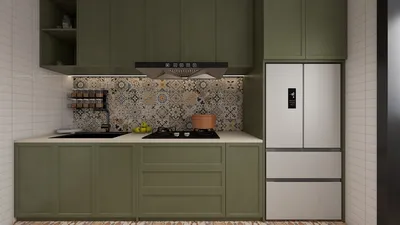


I had an interesting experience designing a living room for a client who firmly believed that "ceiling lights are forbidden"—this meant creating a cozy and well-illuminated area without any overhead lighting. It was akin to baking a cake without an oven; however, it really pushed me to think outside the box. Small spaces often lead to innovative solutions, and through my years of experience, I've gathered techniques that enhance brightness, warmth, and versatility in a room without a single ceiling fixture.
1. Use of Layered Floor and Table Lamps
I typically begin with a layered lighting approach, incorporating a variety of floor lamps, table lamps, and wall sconces at different heights. A tall floor lamp positioned behind the sofa can generate ambient light, while table lamps around seating areas provide focused illumination for reading. The beauty of this method lies in its adaptability—you can rearrange the light sources as per your changing needs, though managing cables can be tricky. I've addressed this in previous renovations using cord covers and strategically placed side tables.
save pin
2. Wall-Mounted Sconces and Picture Lights
Wall lighting introduces the vertical interest that tends to be lost when there are no ceiling fixtures. Both hardwired and plug-in sconces help clear floor space while highlighting artwork or architectural details. They add a touch of elegance and are particularly effective in narrow living rooms, but proper planning for switch placement is necessary, or you could opt for smart plugs for easier control.
save pin
3. Track and Rail Lighting on Walls
For directional lighting without needing ceiling installation, wall-mounted tracks or picture rails are highly effective. In one of my projects, I installed a low-profile rail above a bay window to illuminate the seating area, giving the impression of a wider room. This setup allows for precise control over light focus; however, it does require a bit more effort to install compared to plug-and-play lamps.
save pin
4. Utilizing Reflective Surfaces and Light-Colored Finishes
Without overhead lighting, reflections can significantly enhance brightness. I recommend using glossy coffee tables, mirrored panels, and light-colored paint to help bounce lamp light throughout the room. This strategy is cost-effective and quickly brightens a space, but caution is advised not to overdo it, as too many reflective elements can create a cold atmosphere—pair them with soft textiles to maintain warmth.
save pin
5. Smart Strips and Integrated LED Lighting
LED ribbon lights installed under shelves, behind televisions, or along baseboards can produce a surprising ambient glow and be adjusted to fit your mood. In one studio project, I used LED tape under floating shelves, effectively replacing the need for harsh overhead lighting while adding a modern touch. Just be sure to have a plan in place for concealing cables and ensuring access to power.
During the process, I often sketch layouts in a planner to visualize lighting placements and furniture arrangements. This technique saves a lot of time and helps clients clearly understand the outcome.
For quick visualizations and to experiment with floor plans ahead of purchasing fixtures, I sometimes utilize a room planner to map out lamp placements and sightlines early in the design phase.
save pin
FAQ
Q: Is it feasible to light a living room well without ceiling lights?
A: Absolutely! By combining layered lamps, wall fixtures, reflective surfaces, and LED accent lights, you can achieve a well-balanced and flexible lighting design suitable for various activities.
Q: What is the best type of lamp for creating ambient light?
A: A tall floor lamp with uplighting capabilities (a torchiere) is excellent for ambient light diffusion when overhead fixtures are absent.
Q: Are wall sconces difficult to install?
A: While hardwired sconces do require electrical work, there are numerous stylish plug-in options available that make the setup much simpler and avoid the need for rewiring.
Q: How can I prevent clutter when adding multiple lamps?
A: Opt for consistent finishes and conceal cords using trims or rugs. Group the lighting into defined zones to maintain a tidy and purposeful space.
Q: Do reflective surfaces make a room too bright or cold?
A: If overused, they can create a cold atmosphere—so it’s best to balance mirrors and glossy finishes with warm textiles like rugs and cushions to retain a cozy ambiance.
Q: Can smart LED strips substitute for general lighting?
A: They perform best as supplemental or accent lighting. When used alongside floor and table lamps, they create a complete lighting solution. Consulting lighting guides from manufacturers like Philips Hue can provide additional best practices.
Q: What's the best way to plan lamp placements in small living rooms?
A: Define zones for seating, reading, and watching television, with a task lamp for each zone. I recommend trying out temporary lamps before making permanent decisions.
Q: How can I visualize these lighting ideas before making any purchases?
A: Definitely—employing a 3D floor planner allows you to play around with lamp placements and finishes, which helps in avoiding costly errors.
save pin
Homestyler is your go-to online home design platform, offering a user-friendly design tool and stunning 3D renderings. Explore countless design projects and enhance your skills with DIY video tutorials. Transform your space effortlessly and unleash your creativity with Homestyler!
Projete agora para LIVRE
































