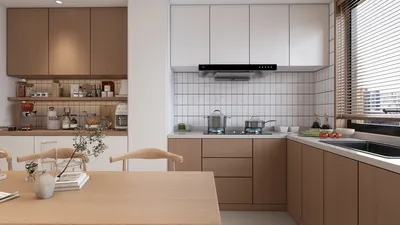


Transforming a room through painting is an economical and impactful approach. However, the overall cost can fluctuate significantly based on factors such as the size of the room, the current condition of the surfaces, the quality of the paint chosen, and the labor costs in your area. For example, a standard 10'×12' bedroom with ceiling heights of 8 to 9 feet may see professional painting costs from $350 to $950 just for the walls. If you wish to include the ceiling, trim, and doors, the price could rise to somewhere between $550 and $1,400. For those opting for a DIY approach, materials alone typically range from $120 to $300 when using mid-grade paint along with basic tools. To maximize your design experience, consider using Homestyler to visualize your project beforehand.
Effective budgeting requires clear benchmarks. Research in workplace and home design consistently indicates that color can profoundly influence perception and performance. For instance, blues are often associated with calmness and focus, while reds can heighten alertness. The level of lighting also plays a crucial role; for residential living areas, the IES guidelines recommend keeping general ambient lighting around 10 to 30 foot-candles. This is essential for understanding how colors appear in their intended environment and whether multiple coats will be necessary. When planning larger transformations, insights from Gensler reveal strong links between environmental quality, paint finishes, and overall satisfaction, reinforcing the need for thorough preparation and high-quality paint.
Several key factors influence the pricing of your painting project. The size of the room, the height of the ceilings, and the complexity of the surfaces all contribute to the cost. For instance, larger rooms and intricate textures, as well as color changes to more vibrant shades or the use of premium low-VOC paint, can increase expenses. Additionally, labor costs can vary significantly; urban areas often charge 15 to 35 percent more than suburban locales. Below, we provide an overview of the primary cost factors to consider, along with actionable strategies to maintain your budget while ensuring a polished finish.
Average Cost Ranges by Scenario
- Small room (up to 120 sq ft, standard 8'–9' ceilings), walls only: $300–$700 professional; DIY $100–$220 materials.
- Medium room (120–180 sq ft), walls only: $350–$950 professional; DIY $120–$300 materials.
- Large room (180–300 sq ft), walls only: $600–$1,400 professional; DIY $180–$420 materials.
- Add ceiling: +$120–$300 (professional) depending on height and texture.
- Add trim and doors: +$150–$450 (professional) based on linear footage and profile complexity.
- Accent wall or deep color shift: +$80–$250 for extra coats and primer.
- Repair and prep (holes, cracks, sanding, skim coat): $60–$400 depending on severity.
Key Variables That Influence Pricing
- Room dimensions: More wall area and taller ceilings increase paint and labor hours.
- Surface condition: Glossy or previously oil-based paints require extra prep; textured walls consume more paint.
- Color change: Transitioning from dark to light (or vice versa) often necessitates primer plus 2–3 finish coats.
- Paint quality: Mid-grade washable paints typically cost around $30–$55 per gallon; premium low-VOC and scuff-resistant options can be $60–$95 per gallon.
- Finish level: While flat finishes conceal imperfections, they can mark easily; eggshell or satin finishes provide durability and a slight sheen, while semi-gloss is ideal for trim.
- Local labor: Professional painters commonly charge between $1.00 and $2.75 per square foot of wall area, or $45 to $85 per hour depending on job requirements.
- Access and complexity: Areas with built-ins, stair landings, or complex trim profiles require more time for masking and cutting.
Material and Labor Breakdown
- Paint: Most bedrooms will need 1–2 gallons for the walls; ceilings typically require 1 gallon; trim and doors can range from 1 quart to 1 gallon depending on coverage.
- Primer: Generally, 1 gallon is needed for color changes, stain blocking, or new drywall.
- Tools: A solid DIY painting kit should include rollers, roller frames, trays, an extension pole, an angled brush, drop cloths, painter’s tape, spackle, and a sanding block, with a budget of $40–$120.
- Labor hours: Small rooms typically require 6–12 labor hours; medium rooms take 8–18 hours, and significant prep or complex trim can extend beyond 20 hours.
- Disposal and cleanup: Though minor, plan for protective gear and adequate ventilation, especially when using oil-based or specialty primers.
Lighting, Color, and Coverage Strategy
The impact of color is directly linked to the lighting that illuminates it. Insufficient ambient lighting can make colors appear flat or patchy. Aim to create balanced, glare-controlled lighting, with IES general guidance suggesting 10–30 foot-candles for living spaces. It’s essential to test paint swatches both during the day and at night. Cooler light (4000–5000K) can enhance whites and grays, while warmer light (2700–3000K) tends to highlight earthy tones. According to Verywell Mind’s overview of color psychology, blues and greens support a sense of calm and focus, whereas yellows introduce an uplifting feel—particularly suitable for kitchens or creative spaces. If you're considering changes to the room layout with new furniture, using a layout visualization tool, such as Homestyler, can help you better understand how light and color interact before making final decisions.
Estimating Paint Quantities Accurately
- Measure walls: Use the perimeter multiplied by the height, subtracting for openings (doors/windows). The standard coverage is approximately 350–400 sq ft per gallon for most latex paints.
- Account for texture: Heavily textured surfaces like orange peel or knockdown may decrease coverage to around 250–320 sq ft per gallon.
- Plan coats: Typically, two coats are recommended; add primer for significant color changes or stains.
- Ceiling and trim: Ceilings generally require a flat, high-hide paint; trim should use a durable enamel in semi-gloss.
Prep and Finish Level: Where Quality Shows
Preparation plays a crucial role in distinguishing between a quick refresh and a polished professional finish. I set aside ample time for processes like patching, sanding, caulking trim joints, and deglossing surfaces when necessary. High-traffic rooms can benefit from scrubbable finishes, such as eggshell or satin for walls and semi-gloss for trim. Clean masking edges, consistent cutting lines, and maintaining a wet edge are essential steps to minimize lap marks and the need for touch-ups.
Professional vs DIY: Choosing the Right Path
Opting for DIY painting can be budget-friendly if your walls are in decent shape and the room is simple. Hiring professionals may be more beneficial for areas with high ceilings, stairways, extensive repairs, tight turnaround times, or intricate millwork. If you decide to hire a painter, request a detailed scope of work outlining the number of coats, primer use, any included repairs, and the protection of floors and furniture, alongside the brand or type of paint.
Scheduling and Workflow
When scheduling your painting job, account for drying times. Most latex paints can be re-coated within 2–4 hours, with a full cure potentially taking between 7 and 30 days depending on the specific products used and the humidity levels. It is advisable to paint trim last to avoid splatter from the roller, or you can opt to paint trim first while carefully masking edges. Maintaining good ventilation and control over the temperature (generally between 50 and 85°F) aids in achieving a smooth finish and speeds up curing time.
Budget Optimization Tips
- Aim for mid-grade paint lines to ensure a balance of coverage, washability, and color consistency.
- Consider tinted primer for dark-to-light transitions to minimize the number of coats needed.
- Standardizing sheen across different rooms simplifies future touch-ups.
- Purchase roller covers that are appropriate for the texture of your surfaces: 3/8"–1/2" nap for most walls, and 1/4"–3/8" for smooth trim.
- Generously sample paint colors—apply swatches of at least 2×2 ft across various walls and observe them throughout an entire day.
- When rearranging furniture or altering circulation patterns, pre-plan your painting with an interior layout planner like Homestyler, to avoid repainting.
Layout and Visual Planning
Thoughtful color placement, accent wall decisions, and sightlines are vital considerations. Before making a final commitment to a bold color, assess the viewing angles from primary entrances and seating areas. For rooms undergoing updates with new cabinetry or built-ins, use layout simulation tools to test clearances and focal wall placements, ensuring your painting strategy aligns with the scale of furniture and the flow of traffic.
Authority and Standards
To aid in selections that promote well-being, the WELL v2 framework provides guidance on air quality, VOCs, and lighting strategies relevant to both residential and workplace interiors. For optimal illumination levels and to minimize glare, referring to IES standards can assist in coordinating lighting with your color and finish choices for consistent results.
Tips 1: Sample and Stage
Always test colors on at least two walls, evaluate them from morning to evening, and take photographs under varying task and ambient lighting conditions. Staging small areas first can help prevent unpleasant surprises in the overall look.
Tips 2: Respect Dry Times
Even quick-drying paints require appropriate drying intervals. Rushing recoating can result in sagging or unpredictable sheen.
Tips 3: Prioritize Edges and Lines
Devote time to achieving clean cut-ins around ceilings, trim, and outlets. This precision is often perceived as a hallmark of professional work.
Tips 4: Prep Protects Your Budget
Always patch, sand, and prime your surfaces adequately. Neglecting proper preparation can often lead to the need for an entire additional coat down the line.
Tips 5: Balance Color with Light
Ensure that your color saturations match the light levels in the room. Deeper hues perform best under brighter lighting, while pale neutrals can become washed out in dim settings.
FAQ
Q1: How do I quickly estimate the cost for my room?
A1: To estimate costs, measure the wall area (perimeter × height minus openings) and multiply by $1.00 to $2.75 per square foot for professional labor and materials. Add $120 to $300 for ceilings and $150 to $450 for trim, then adjust based on preparation needs and paint quality.
Q2: How many gallons will I need?
A2: Most standard rooms typically require 1 to 2 gallons for two coats on the walls, with ceilings needing about 1 gallon. Trim coverage varies from a quart to 1 gallon, with textured surfaces or significant color changes requiring extra paint.
Q3: Is primer always necessary?
A3: Not necessarily. Primer is important for drastic color transitions, stain coverage, new drywall, or glossy/oil-based finishes. Using tinted primer can help reduce the total number of coats needed when going from dark to light.
Q4: Which sheen should I choose?
A4: A flat finish can conceal defects but is prone to marking; eggshell or satin finishes strike a balance between durability and aesthetics for walls, while semi-gloss is suited for trim and doors for ease of cleaning.
Q5: How does lighting affect paint choice?
A5: The level and color temperature of light significantly alter how paint colors appear. Following IES guidance for residential areas (around 10 to 30 foot-candles) ensures adequate illumination. Warm tones enhance earthy colors charmingly, while cool tones can brighten whites and grays.
Q6: What drives professional rates up or down?
A6: Factors influencing professional rates include local labor markets, ceiling heights, the complexity of preparation work, and the quality of finish. Urban areas often present a price increase of 15 to 35 percent over suburban regions.
Q7: Are low-VOC paints worth the premium?
A7: Yes, especially for indoor air quality and odor control, making them ideal for spaces like bedrooms or nurseries. Guidance from WELL v2 supports the choice of low-emitting materials for healthier interiors.
Q8: Should I paint trim before or after the walls?
A8: Both methods can work. If you paint trim first, ensure careful masking; if you choose to paint walls first, be prepared to cut in after. Plan your sequence to reduce touch-up work.
Q9: How long before I can move furniture back?
A9: Latex paints generally dry to the touch within 1 to 2 hours and are suitable for light use after 24 hours. Full curing may take 7 to 30 days, so avoid heavy cleaning during this period.
Q10: Can an accent wall add cost?
A10: Yes, expect an additional charge of $80 to $250 for primer matched to your chosen accent color and extra coats, especially for deeply saturated shades or textured walls.
Q11: What’s the best way to avoid lap marks?
A11: To minimize lap marks, maintain a wet edge while rolling, work in consistent sections, and control the room's temperature and humidity levels. Higher-quality rollers can aid in achieving a smooth finish.
Q12: How do I plan paint around new furniture layouts?
A12: Consider circulation patterns, focal points, and sightlines in advance. Utilizing an interior layout planner like Homestyler can be instrumental in testing furniture placement, ensuring that accent colors are appropriately positioned on the walls.


Homestyler is your go-to online platform for home design! With its user-friendly design tool, stunning 3D rendering, and a wealth of DIY video tutorials, you can easily transform your space into a masterpiece. Explore endless design possibilities and bring your vision to life today!
Projete agora para LIVRE
































