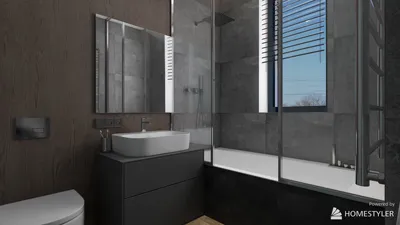


I once took on the challenge of painting a cramped Victorian stairwell without taking proper measurements — the client requested 'just a quick coat,' and I arrived with three ladders and a week’s worth of preparation. My experience taught me that labor costs (not just the paint) significantly impact the overall bill. Now, I always begin by creating a detailed mockup and an accurate labor estimate, utilizing comprehensive room mockups to sidestep any unexpected expenses.
1. Understand the baseline: average labor rates
From what I've observed, the labor cost for house painting per square foot can vary widely depending on the region and the type of job — while interior flat walls are generally at the lower end of the spectrum, exterior work, high ceilings, or detailed trim often require more time and thus come at a premium. The benefit is that by accurately measuring square footage, you can multiply it by your local labor rate to establish a realistic cost estimate; however, uneven surfaces and necessary repairs can disrupt this tidy calculation.
save pin
2. Preparation work can equate to paint costs
I advise my clients that tasks such as scraping, patching, priming, and masking are unseen labor-intensive jobs that consume time yet safeguard the final outcome. If you're looking to save on expenses, consider tackling minor sanding or filling small holes yourself — just be honest about your abilities, or you risk wasting time, negating any potential savings.
save pin
3. Select finishes with labor cost in mind
Choosing high-gloss finishes or deeper colors typically results in needing extra coats and requires more detailed work — which in turn adds to the labor cost per square foot. I strike a balance between aesthetics and budget by suggesting satin or eggshell finishes for larger surfaces while reserving glossy finishes for smaller, eye-catching areas; this approach helps me achieve striking designs without significantly increasing labor hours.
save pin
4. Streamline room sequencing and accessibility
Planning logistics is crucial: painting multiple rooms on the same floor in succession reduces the need for setting up scaffolding multiple times, thereby lowering labor costs per square foot. In kitchen projects, I frequently conduct zone mapping with contractors early on in the planning stages to prevent handling cabinets or hardware more than necessary — it may seem technical, but it effectively saves valuable labor minutes that accumulate.
save pin
5. Utilize visuals to minimize rework
Rework can severely impact labor costs; I once had a client change the color mid-project, resulting in a lost day of work — which proved costly. Now, I create mockups and sometimes even detailed 3D walkthroughs before any painting begins. This method typically prevents change orders and helps keep the labor cost per square foot predictable.
save pin
FAQ
Q1: What is the standard labor cost for house painting per square foot?
A: Labor costs fluctuate, but interior painting generally ranges from $0.50 to $3.50 per square foot, depending on factors like location, complexity, and preparation required. Exterior or specialized tasks can be pricier due to scaffolding needs and weather conditions.
Q2: Does the quoted price usually cover preparation and cleanup?
A: Not always — some quotes specify labor for painting alone, while others may include preparation and cleanup. It’s essential to request a line-item estimate for clarity on what factors contribute to the cost.
Q3: How long does it typically take to paint a room?
A: For an average-sized bedroom (12x12), a small team usually needs one to two days total, including preparation; however, lavish rooms with high ceilings can take longer. Time expands costs, so effective scheduling can help decrease per-square-foot labor expenses.
Q4: Can I lower the labor cost per square foot by handling some preparation?
A: Certainly! Tasks like light sanding, patching minor holes, and removing outlet covers can be beneficial; however, inadequate preparation can create additional work for the professionals, so it’s vital to be realistic about your capabilities.
Q5: How do painters determine square footage for labor calculations?
A: Most professionals compute the wall surface area (length times height), subtracting windows and doors, before applying their hourly or per-square-foot rates. Accurate measurements are key to preventing disputes over final billing.
Q6: Are there regional benchmarks I can reference?
A: Yes — platforms such as HomeAdvisor provide localized cost guides and averages, which serve as valuable benchmarks when comparing quotes (Source: HomeAdvisor, 2024). These can help identify any discrepancies.
Q7: Should I hire painters based on hourly rates or by square footage?
A: Both methods can be effective: square-foot pricing is straightforward for simple rooms, while hourly rates are suitable for projects with unpredictable repairs. Personally, I prefer square-foot pricing for standard interiors and hourly rates for complex restorations.
Q8: What questions should I pose to painters to manage labor costs?
A: Inquire about what’s included in preparation, the number of coats needed, crew size, project timeline, and their change-order procedures. Establishing clear expectations right from the start is the simplest strategy to keep labor costs for house painting per square foot under control.
save pin
Discover Homestyler, the ultimate online home design platform! With its easy-to-use design tool, stunning 3D renderings, and a wealth of inspiring design projects and video tutorials, you can effortlessly create your dream space—no experience needed. Transform your home today!
Projete agora para LIVRE
































