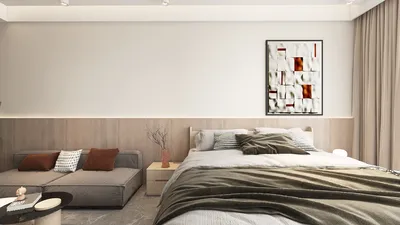


I love how a carefully selected door curtain can instantly revamp an entryway—softening the transition, enhancing privacy, and adding texture without the expense or permanence of a new door. The key is to find the right balance of fabric, hardware, and proportions, ensuring the curtain appears intentional, operates smoothly, and withstands daily wear.
Measuring privacy and comfort is essential. Research from WELL v2 highlights that visual privacy and acoustic comfort play significant roles in our wellbeing and productivity within interiors. By combining thick fabric with proper coverage, you can effectively diminish sound transmission and visibility at thresholds (source: WELL v2 Feature concepts). Furthermore, a study by Steelcase indicates that reducing visual distractions can enhance concentration; about 64% of workers experience frequent interruptions due to open sightlines, suggesting that a simple curtain can serve as a strategic solution for compact homes and hybrid workspaces. To quickly plan doorway widths and panel overlap, tools like Homestyler can assist in visualizing clearances and door swing paths.
Color is more than just decoration. According to a summary on color psychology by Verywell Mind, shades of blue and green promote calmness, while warmer colors convey energy—perfect for an entryway that needs to create either a serene transition or a welcoming atmosphere. In small apartments, a deeper, muted curtain color can visually anchor the entrance, while a neutral linen keeps the space feeling open and airy.
Select the Appropriate Fabric and Lining
For quick installations, I typically favor two categories of fabrics: natural fibers such as linen and cotton twill for a relaxed touch, and synthetics like polyester blends and performance velvet when durability and wrinkle resistance are crucial. If privacy without darkness is your goal, consider a medium-weight weave between 8–12 ounces per square yard. If your entryway encounters bright light or if you need extra sound absorption, incorporating a lightweight cotton or blackout lining is advisable. Thicker fabrics like velvet excel in absorbing high-frequency noise, making them ideal for busy entries. Always consider flame-resistance near kitchens; treated cotton or inherently flame-retardant polyester blends provide enhanced safety.
Assess for Proportion and Unhindered Movement
Measure the clear entry and any protruding door hardware. I aim for a finished width of 1.5 to 2 times the opening for a pleasing fullness; for a 32-inch door, curtains measuring 48 to 64 inches appear polished without bulk. Install the rod at least 3 to 4 inches above the lintel to elongate the entryway and enable stack-back when the curtain is opened. If the door swings inward, ensure the curtain will not obstruct it—leave 1 to 2 inches of clearance from the door face using projection brackets. In narrow hallways, ceiling-mounted tracks can help keep the curtain flush.
Quick and Efficient Hardware Solutions
The right hardware can significantly speed up the process. Tension rods offer a tool-free installation and are ideal for rentals; however, they may slip with heavier fabrics, so it's best to use them with lightweight linen and include grippy end caps. For heavier materials, opt for a fixed rod with wall anchors rated for the weight of your panels. Rings equipped with clips facilitate easy hem adjustments and allow for seasonal panel swapping. If you prefer a gliding option, a curtain track with roller carriers guarantees smooth operation in narrow spaces. Always match finishes to your door hardware—use matte black with black levers or warm brass with aged bronze for a cohesive look.
Combining Layers for Enhanced Privacy, Light Control, and Acoustics
Layering is an effective strategy to meet multiple needs. Combine a sheer curtain behind a heavier front panel for daytime illumination and evening privacy. In home office corners, I sometimes integrate a soft felt panel behind a linen curtain to muffle hallway sounds. If your entryway faces direct sunlight, consider adding a UV-filtering lining to safeguard rugs and artwork from fading. To mitigate noise in smaller foyers, a high-pile runner combined with a denser curtain can significantly lessen acoustic reverberation.
Understanding Color Psychology at Your Entrance
Entries set an emotional tone. Cool hues, like desaturated teal or sage, evoke calmness and order—ideal for compact apartments needing visual restraint. Warmer colors—such as terracotta, honey, and muted mustard—create inviting and energetic atmospheres, perfect for family environments. Maintain moderate saturation to ensure the curtain doesn’t dominate the space; a textured weave offers depth without overwhelming. Consider tying the curtain color to adjacent rooms with small accents—a throw pillow, a frame mat, or a rug border—so that it feels cohesive rather than a stand-alone element.
Sustainable Materials and Care
Natural linens and organic cottons are breathable and develop a beautiful patina over time; they can be machine-washed on delicate cycles, making weekend maintenance a breeze. Recycled polyester is well-suited for homes with pets and high foot traffic, as it resists snags and maintains a consistent drape. If situated near exterior doors, moisture-resistant blends are a smart choice. Opt for nickel-free hardware if skin sensitivities are a concern. Modular, repairable components—like clip rings and separate linings—enhance longevity and help reduce waste.
Simple DIY Projects: No-Sew and Sew Methods
No-sew: Cut fabric to the appropriate height (door height plus 6–8 inches for header and hem), apply fusible hem tape to the bottom edge, and create a rod pocket at the top; press with a steam iron for a crisp edge. Clip rings can skip the pocket for speed. Sew: Create a double-fold hem (1.5 inches) and a 3-inch header. Add side hems of 0.75–1 inch to minimize fraying and enhance drape. If including a lining, stitch it so it hangs free inside the side hems to prevent puckering.
Layout Considerations and Threshold Clearance
Before drilling, mock up the curtain height with painter’s tape and ensure there’s sufficient swing clearance for the door. In tight hallways, confirm a minimum of 3 inches of stack-back is available so the curtain won’t obstruct sightlines. For planning purposes, using a layout simulation tool like Homestyler helps visualize spatial flow, swing arcs, and how the curtain integrates with surrounding furniture, minimizing misplacements and maintaining clear circulation.
Final Touches for a Refined Entryway
Hem length is crucial: I prefer a ‘kiss’—just grazing the floor—for sharp entries, and a lift of 0.5–1 inch for doors located near wet areas. Consider adding a tie-back or leather loop positioned 36–40 inches above the floor for ergonomic convenience. If hiding a utility door, a patterned fabric can convert an eyesore into a design feature. For evening ambiance, install warm 2700–3000K sconces near the curtain to provide glow without glare; a diffuser shade can minimize hotspots while ensuring the fabric color appears true.
Quick Style Combinations
- Scandinavian tranquility: bleached oak rod, sage linen, flat weave rug, black hardware.
- Bohemian coziness: brass rod, terracotta cotton-linen blend, patterned kilim runner, woven basket.
- Minimalist elegance: matte black track, charcoal polyester blend, low-pile graphite rug, crisp white walls.
- Coastal brightness: brushed nickel rod, airy white sheer layered over sand-beige twill, jute rug.
Frequently Asked Questions
Medium-weight fabrics (8–12 oz/sq yd) offer privacy and an elegant drape without bulkiness. Adding lining improves light control and acoustic absorption.
Aim for a fullness of 1.5 to 2 times the width for a tailored look and to prevent gaps. For a 32-inch opening, target 48–64 inches of curtain width.
Mount the rod 1–2 inches from the door plane using projection brackets and ensure the swing path is clear. Ceiling tracks keep fabric away in narrow spaces.
Cool tones like desaturated blues and greens facilitate a calming atmosphere, as outlined in color psychology findings. Use mid-tones to avoid heaviness in small areas.
Opt for denser materials such as velvet or add felt or acoustic lining. Pair the curtain with a soft rug to diminish echo and footfall sounds.
Tension rods work best with lightweight panels; for heavier fabrics, select a fixed rod with sturdy wall anchors rated for the curtain’s heft.
Use fusible hem tape on the bottom edge and create a rod pocket. Clip rings allow you to hang immediately, bypassing the need for stitching.
Utilize wider panels for better overlap, mount the rod slightly higher, and consider side returns or wraparound brackets to minimize light gaps.
Yes—tension rods or adhesive-backed hooks can be employed with lightweight materials. Always check removability to prevent wall damage.
Soft, warm 2700–3000K lighting creates a welcoming atmosphere. Use diffused shades to avoid glare and distortions in fabric color.
Regularly vacuum with a brush attachment. Machine wash linens on a gentle cycle; spot-clean polyester blends. Rotate panels seasonally to ensure even wear.
Prioritize organic cotton, linen, or recycled polyester. Using modular hardware (such as clip rings or separate linings) prolongs lifespan and minimizes waste.
Homestyler's roots trace back to Autodesk, the global leader in design and engineering software. That heritage lives on in every feature we build. Today, with a community of more than 18 million users worldwide, Homestyler continues to make professional-quality interior design accessible to everyone — from first-time decorators to seasoned architects.
Homestyler is your go-to online home design platform, perfect for turning your ideas into reality. With its user-friendly design tool, stunning 3D renderings, and a wealth of DIY video tutorials, you can easily explore and create beautiful spaces—no experience needed!
Projete agora para LIVRE
































