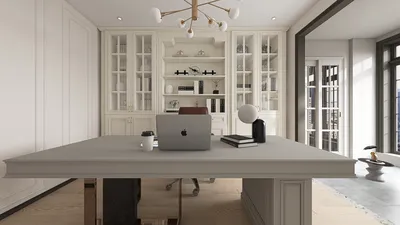


Oil-filled room heaters, commonly referred to as oil-filled radiators, provide a consistent, convection-based warmth while operating quietly, making them perfect for bedrooms, home offices, and cozy reading corners. When selecting models, I prioritize energy efficiency, safety, and ergonomic design. After all, heating should be effortless and steady, avoiding any intrusive glares or drafts. For optimal results, consider using Homestyler to plan your space effectively.
Performance metrics are essential. In standard residential spaces, a 1500W oil-filled heater can effectively warm areas up to approximately 150–200 sq ft, contingent on insulation levels and window effectiveness. Findings from WELL v2 on thermal comfort highlight the importance of stable temperatures and minimal drafts for resident satisfaction. Their guidelines suggest that employing adaptive thermal comfort strategies improves perceived warmth and energy efficiency through consistent management of setpoints. Studies from Steelcase corroborate that controlled thermal variability enhances focus and persistence by offering steady warmth rather than uncomfortable temperature fluctuations.
In my design projects, I approach heat distribution akin to how I treat lighting: ensuring it is even, layered, and strategically zoned. An efficient oil-filled heater gradually warms the air, allowing the room to reach a pleasing temperature without the harsh on-off cycles typical of forced-air systems. To enhance heat flow in challenging layouts featuring alcoves, bay windows, or narrow spaces, I utilize a room layout tool from Homestyler to simulate optimal placement and prevent cold spots.
Key Advantages of Oil-Filled Heaters
• Silent operation: With no fans involved, these heaters operate nearly silently, making them perfect for restful sleep and concentrated work.
• Consistent warmth: The substantial thermal mass of the oil ensures that heat remains steady, minimizing frequent on-off cycling and temperature fluctuations.
• Energy-conscious heating: Numerous models come equipped with digital thermostats and eco modes, allowing for precise energy management.
• Safer surface temperatures: While the fins can become hot, the likelihood of burns is less than with exposed-element heaters, and they cool down gently.
• Low upkeep: The sealed oil system requires no replacement over time.
Selecting the Appropriate Wattage and Size
Ensure wattage matches your room dimensions and insulation quality. A 1500W model often works well in well-insulated bedrooms and offices (120–180 sq ft) due to its versatility. For smaller areas (80–120 sq ft), a 1000–1200W unit usually suffices. In cases of high ceilings, old single-pane windows, or drafty doors, consider upsizing or opting for models that have enhanced fin counts and programmable features for better temperature maintenance without constantly running at maximum capacity.
Thermal Comfort, User Considerations, and Controls
I prioritize heaters with accurate thermostats (±1–2°F), easy-to-read displays, and user-friendly controls, which can be operated effortlessly in dim lighting. Your usage habits matter: if you prefer to set and forget, choose a model that offers a dependable eco mode with a timer of 9-12 hours. If you tend to make small adjustments, opt for a digital thermostat that allows precise changes (like 1°F or 0.5°C). Research from WELL v2 suggests that steady setpoints and personal control significantly enhance perceived comfort, particularly in work environments.
Essential Safety Features
Safety is paramount in design. Look for these features:
• Tip-over protection that activates an immediate power cut-off.
• Overheat protection with a thermal fuse and automatic shutdown.
• Child lock and recessed controls for family-friendly homes.
• Cool-touch handles or guarded areas for safe repositioning.
• Firm casters and a stable base to reduce wobbling.
It's important to keep heaters away from curtains or furniture, maintaining at least 3 feet of clearance. I steer clear of extension cords; when unavoidable, I use a heavy-duty cord rated for 15A with minimal length. Ensure units are set on hard, flat surfaces, as carpet can hinder stability and airflow around fins.
Energy Efficiency and Operating Expenses
Oil-filled heaters achieve nearly 100% efficiency in converting electricity to heat at the point of use. Real savings come from smart control: establish a comfortable baseline (for instance, 68–70°F) and employ schedules to avoid heating unoccupied rooms. Productivity research from Steelcase emphasizes how thermal comfort enhances focus; from an energy perspective, consistent heat levels minimize drastic setpoint changes that waste energy, making it essential for larger homes to practice zoning by keeping doors closed in areas that don't require heating.
Sound, Light, and Sleep Quality
Acoustic comfort is significant. These heaters are generally exceedingly quiet, aside from the occasional sounds of thermal expansion. For bedrooms, I recommend pairing them with warm white ambient lighting (2700–3000K) and blackout curtains to minimize disturbances during the night. Stable temperatures combined with low glare significantly reduce awakenings, particularly beneficial for light sleepers or those sensitive to drafts.
Materials, Durability, and Longevity
Heavier steel structures with reinforced fins are more resilient to thermal cycling. Cords should be heat-resistant and include strain relief. Typically, a sealed diathermic oil chamber is a standard feature; avoid those with flimsy caster assemblies or sharp fin edges. I prefer models that are UL/ETL certified and come with clear warranty information. A well-constructed heater should feel solid when manipulated and remain upright even under light cord tension.
Ergonomics: Controls, Mobility, and Placement
Comfort extends beyond heat. Large, user-friendly knobs or responsive buttons, angled displays, and side handles enhance daily operation. Consideration of cord length is vital; 5–6 feet is practical without creating tripping hazards. In narrow spaces or under windows, slim-profile radiators fit better. Employ the interior layout planner to assess pathways and clearances to ensure heaters do not obstruct air circulation or create pinch points.
Room Layout Strategy and Heat Distribution
Heat travels with air movement. Position the heater near the coldest surface—usually under or next to a window—to diminish downdrafts. Avoid corners that trap warm air. In elongated rooms, it’s advisable to place it centrally for uniform warmth distribution. For spaces with multiple seating areas, consider two lower-wattage heaters rather than relying on one high-wattage unit to avoid hot spots. Utilizing a layout simulation tool can assist in visualizing placement and furniture arrangements before you finalize your plans.
Essential Features Checklist
• 3-4 heat settings with an accurate thermostat
• Eco mode with a programmable timer of 9-12 hours
• Tip-over and overheat protection, along with a child safety lock
• High-stability base and robust casters
• UL/ETL certification with clear warranty stipulations
• Easy-to-clean fin design and dust-reducing surfaces
• Slim profile suitable for window-adjacent positioning
Maintenance and Upkeep
To maintain optimal performance, dust the fins monthly to keep convection pathways clear. Regularly check the cord and plug for signs of heat damage. Keep drinks at a distance and avoid placing clothing over the heater. It's normal for the unit to make clicking sounds due to thermal expansion; however, persistent squeaks could signal caster wear—consider replacing wheels or verifying proper seating if needed.
Frequently Asked Questions
Q1: What room size can a 1500W oil-filled heater effectively warm?
A1: It generally warms spaces of 150–200 sq ft in well-insulated environments. Variables like drafts, high ceilings, and single-pane windows might reduce effective coverage, so strategic placement near cold surfaces and closing doors for zoning is advisable.
Q2: Are oil-filled heaters considered energy-efficient?
A2: At point-of-use, these heaters convert almost all electrical energy to heat. Their efficiency heavily relies on thoughtful control systems and zoning practices. It's best to maintain steady setpoints rather than frequently adjusting them drastically to prevent energy waste.
Q3: Do they contribute to drying out the air?
A3: Operating through convection without a fan, they are gentler on humidity compared to many forced-air heaters. If winter air feels dry, consider using a small humidifier to maintain a relative humidity of around 30-50% for enhanced comfort.
Q4: Is it safe to operate an oil-filled heater overnight?
A4: Select models equipped with tip-over and overheat protection features, adhere to clearances, and avoid using extension cords. Opt for a moderate thermostat setting and employ a timer. For bedrooms, ensure the heater is positioned away from bedding and drapes.
Q5: What noise levels can I anticipate?
A5: Generally, the operation is quiet, with the occasional sound from thermal expansion. If you notice consistent rattling, ensure the casters are securely tightened and that the unit is on a flat surface.
Q6: Where is the ideal placement for the heater?
A6: Position it near cold surfaces or along exterior walls to counteract downdrafts while maintaining at least 3 feet of clearance. Avoid placing it in tight corners or high-traffic zones to minimize tipping risks and facilitate improved warmth distribution.
Q7: Do digital thermostats provide more benefits than analog designs?
A7: Digital thermostats allow for finer control (often in 1°F increments) and scheduling capabilities. Analog dials are simpler and more enduring, but they might require more trial and error to achieve precise comfort levels.
Q8: Can oil-filled heaters be utilized in bathrooms?
A8: I do not recommend using them in bathrooms due to moisture concerns and electrical safety issues. If necessary, only utilize models specifically designed for damp environments and strictly follow the manufacturer's instructions.
Q9: How do they compare with ceramic space heaters?
A9: Ceramic heaters offer rapid heating with directional airflow, while oil-filled heaters provide softer, quieter, and more even warmth across entire rooms with fewer drafts. For sleep and prolonged focus, oil-filled heaters are often superior; if immediate spot heating is required, ceramic units are faster.
Q10: Are the fins of the heater a burn hazard?
A10: The fins do become hot, but most models maintain lower surface temperatures compared to exposed heating elements. Exercise caution, uphold clearances, and consider units with child safety locks and guarded handles for home use.
Q11: Can an oil-filled heater assist in reducing energy costs?
A11: Yes, if you practice zoning heating while lowering central HVAC setpoints. The objective is to provide steady warmth in occupied areas while preventing overheating in unused spaces.
Q12: What is the lifespan of an oil-filled heater?
A12: With appropriate maintenance, many units can last several winters. Opt for models with robust steel construction, safety certifications, and multi-year warranties, indicating durable quality.

Homestyler is your go-to platform for home design! With its user-friendly online design tool, stunning 3D rendering capabilities, and a wealth of DIY video tutorials, you can easily transform your ideas into reality. Discover endless inspiration and effortlessly create your dream spaces today!
Projete agora para LIVRE
































