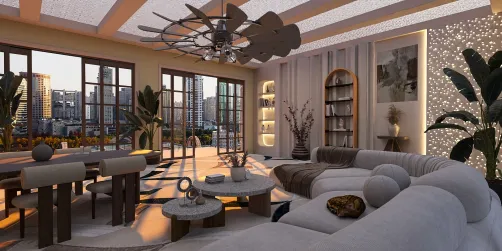
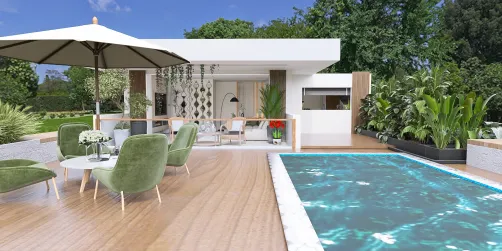
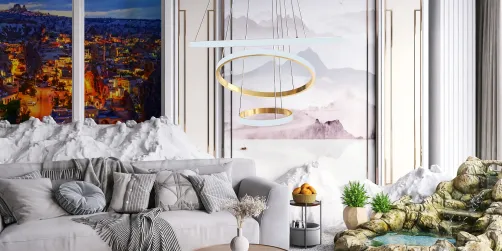
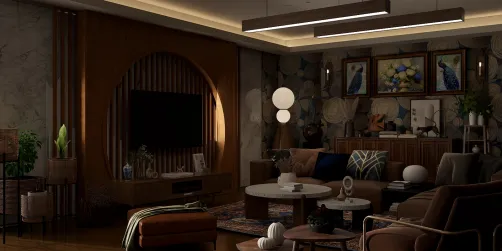
When I curate wedding venues, I approach it similarly to designing spaces—finding a harmonious balance between flow, light, acoustics, and comfort while considering guest counts and budgets. The venue landscape in Solapur has evolved significantly, featuring adaptable banquet halls, heritage-style locations, and outdoor lawns suitable for both intimate ceremonies and grand celebrations. Prior to finalizing your options, it's essential to rely on data that enhances comfort: according to the WELL Building Standard, ideal ambient light levels for general gathering zones should be around 300–500 lux, while areas requiring task-focused lighting—such as makeup stations—typically need between 500–1000 lux. Achieving these setups helps minimize visual strain and enhances mood (source: WELL v2). In addition, color psychology research supports that warm colors can encourage social interaction, while soothing blues and greens are effective in reducing stress. Keep this in mind when selecting drapery, lighting gels, or backdrop color schemes (source: Verywell Mind, color psychology).
The experience of guests is often influenced by details that many couples may miss. Research from Steelcase indicates that factors such as sound management and seating ergonomics are crucial in shaping comfort and satisfaction during events. Furthermore, Gensler’s workplace studies underscore the importance of spatial density and clear circulation routes in minimizing bottlenecks, insights that directly apply to buffet setups, mandap access, and photo opportunities at weddings. These considerations are not mere theories; they distinguish a tranquil ceremony from a crowded, loud space where guests can’t hear vows or find their seats.
How I Assess Wedding Halls in Solapur
My evaluation method revolves around seven key pillars: capacity flexibility, ceiling height and rigging options, acoustic quality, lighting capabilities, kitchen and staging logistics, parking and guest movement, and vendor adaptability. For seating arrangements and layouts, I utilize an interior layout planner to prototype table arrangements and dance floor placements, assessing sightlines, aisle widths, and buffet configurations with this room design tool. This preparation minimizes surprises when transitioning from estimated guest counts to tangible furniture arrangements.
Top Wedding Venue Recommendations in Solapur
Solapur features top venues that blend practical design with an effective operational approach. While package availability and terms may fluctuate seasonally, these categories consistently deliver results:
Ideal for large ceremonies and receptions that call for elaborate stage setups, LED screens, and substantial floral arrangements. I seek venues with a ceiling height of at least 18–22 feet, unobstructed spaces, and dedicated service corridors. A venue equipped with acoustic panels or soft drapery effectively minimizes sound reflections—this is vital during high-energy moments, like when the DJ plays or during live sangeet performances.
Best suited for blending a traditional ceremony with a dinner reception. It's crucial to check the power distribution for sound and lighting and ensure pre-function areas can accommodate welcoming rituals or music entries without congesting the main hall. Quality venues often incorporate movable partitions to adapt the space visually for smaller groups.
For haldi, mehendi, or small wedding celebrations, I prefer venues that open up to outdoor courtyards or lawns, allowing for stunning golden-hour photographs. Verify the availability of sheltered spillover areas and wind protection for cosmetic stations, along with effective insect control measures and concealed wiring for fairy lights and audio setups.
Capacity, Traffic Flow, and Seating Arrangements
Guest count dictates everything from fire exit planning to restroom ratios. Generally, a 5–6 foot round table accommodates 8–10 guests. For optimal service, it's important to maintain 1.2–1.5 meters of aisle space between tables. Buffet lines should have 1.8–2.1 meters of clear passage; implementing double-sided buffets reduces wait times but requires clearer navigation signs. I also map out bridal entrance routes, areas for videography equipment, and accessible pathways in a layout simulation tool to identify potential crowding points: layout simulation tool.
Lighting and Atmosphere: Crafting the Environment
A well-planned lighting design is essential. This includes combining general lighting (300–500 lux), targeted accent lighting on floral arrangements (with higher lux to avoid glare), and warm color temperature (2700–3000K) lighting in the dining area to enhance skin tones. The stage should be washed with light in the 3200–4000K range for clear photography. Avoid using harsh uplighting behind the couple, as it can create silhouettes in photos. If the in-house lighting system is limited, I recommend incorporating dimmable LED pars, softboxes for makeup areas, and an independent circuit for the mandap to prevent shadow battles between the priest and photographers.
Sound Quality and Acoustic Control
Effective reverberation management sets apart a polished event from a noisy gathering. I prioritize venues with fabric-covered panels, carpeting, and other soft finishes to maintain low RT60 levels. The positioning of speakers should ensure an even coverage at lower sound pressure levels, rather than overwhelming the front rows. I always request a sound check during a live rehearsal; if the venue has reflective surfaces, I recommend adding drapery or ceiling baffles where possible.
Backstage Operations
A great guest experience is established behind the scenes. Inquire about direct service entrances, loading dock heights, cold storage options for desserts, and a secure area for the couple. If the baraat is set to arrive during peak traffic, confirm the arrangement of a marshalling area that won't obstruct valet services. For venues hosting multiple events in a single day, it's advisable to ensure there is a timeline buffer for clearances and thorough cleaning.
Designing for Cultural Traditions and Comfort
Indian weddings are rich in rituals. I carefully design areas: a serene mandap space conducive to incense, an attractive backdrop positioned away from buffet heat, and a kid-friendly zone featuring softer lighting and sound separation. Understanding color psychology is vital: shades like saffron and coral can energize entryways, while greens and soft teals in lounge areas promote relaxation (source: Verywell Mind, color psychology). Additionally, consider the olfactory ambiance—a subtle diffusion of jasmine and tuberose can enhance the atmosphere without competing with food scents.
Sustainability Practices and Material Choices
Select reusable rigging systems, fabric drapes, and potted plants instead of single-use arrangements whenever possible. LED lighting reduces heat generation and energy consumption, preserving comfort for both photographers and guests. Additionally, it's wise to determine if the venue implements waste separation practices and offers RO water stations to minimize plastic waste.
Photography, Electricity, and Technology
Inform your photographer about the lighting temperatures planned for the event to facilitate proper white balance settings. Secure dedicated clean 16–20A circuits for video and LED displays, and ensure audio power is kept separate to prevent interference. Confirm the availability of robust Wi-Fi for streaming and coordinate cable placements to avoid tripping hazards in guest areas.
Budget Considerations and Contract Terms
Be vigilant when reviewing the fine print: factors like corkage fees, sound restrictions at night, generator backup expenses, and overtime charges for staff can add up. Secure a timeline for deposits and payment schedules aligned with production milestones. If a venue imposes vendor exclusivity, weigh the benefits of convenience against the need for creative control.
Venue Shortlisting Strategy
Construct a dual-tier shortlist featuring three primary venues and two backup options of varying capacities to accommodate fluctuating guest numbers. Schedule a site visit during the same time of day as your event to assess natural lighting, noise levels, and parking availability. Utilize a room design visualization tool to compare different seating setups side-by-side, selecting the one with fewer service conflicts: room design visualization tool.
Frequently Asked Questions
Q1: What is the ideal lighting level for a wedding venue?
A1: Aim for ambient lighting around 300–500 lux for guests, while task lighting should be set at 500–1000 lux for areas like makeup and stage preparations. Dining areas should have warm lighting at 2700–3000K to enhance appearances, adjusting accent lights to prevent glare. This guidance aligns with WELL v2 lighting standards.
Q2: How should I determine the size of the dance floor and aisles?
A2: For 150–200 dancers, allocate around 9–12 square feet per person. Ensure aisles are 1.2–1.5 meters wide and leave 1.8–2.1 meters for buffet lines to avoid congestion.
Q3: What acoustic features should I inquire about in a venue?
A3: Ask about carpeted floors, sound-absorbing panels, curtains, and ceiling designs. Even temporary installations of soft materials can significantly cut down on echo, making speeches more discernible without increasing volume.
Q4: What color schemes work best for ceremony and lounge areas?
A4: Cheerful shades like saffron, coral, and marigold invigorate ceremony spaces; while soothing greens and blues create a tranquil environment for lounges and family seating. This reflects established insights from color psychology.
Q5: When is the best time to book popular halls in Solapur?
A5: For peak wedding seasons, aim to secure bookings 6–9 months ahead; for auspicious dates, 9–12 months in advance is advisable for better vendor coordination and to secure accommodation.
Q6: How should I handle cabling and power safety?
A6: Utilize dedicated 16–20A circuits for video and LED displays, maintain separate power for audio systems, and cover all cable runs with ramps to keep them away from guest paths. Always test generator capabilities under load.
Q7: How can I create an intimate feeling in a larger hall with fewer guests?
A7: Yes—implement movable partitions, cluster seating arrangements, employ soft lighting solutions, and add taller floral decorations to create a more cozy atmosphere. Reorienting the dance floor and incorporating drapes can alter the room's perception.
Q8: What sustainability practices can make the most impact?
A8: Utilize LED lights, potted plants, fabric reuse, provide RO water facilities, and establish a clear waste recycling plan to reduce environmental impact without sacrificing visual appeal.
Q9: How can I plan for photography and video without obstructing views?
A9: Designate areas for tripods near the stage edges, keep cameras away from main pathways, and arrange for a low camera platform to maintain sightlines for seated guests.
Q10: What layout planning tool can help me quickly assess seating arrangements?
A10: I utilize an interior layout planner to simulate various seating configurations, dance floor placements, and buffet setups, allowing for effective visual communication with caterers and decorators during the coordination phase.

Homestyler is an outstanding online home design platform that's perfect for anyone looking to transform their space. With its user-friendly design tool, stunning 3D renderings, a wealth of design projects, and insightful video tutorials, bringing your home ideas to life has never been easier!








![Design [4]](https://hs-designs.homestyler.com/production/design/images/07c2de3a-88ec-4be8-8910-ff255b795bc2/1731419398293/7841697.jpg?x-oss-process=image/resize,w_502,m_mfit/format,webp)