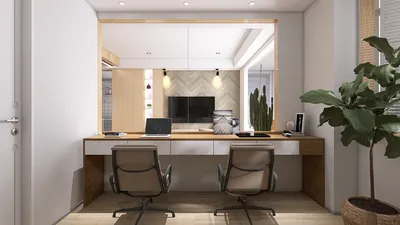


Contemporary wall units have transformed from oversized entertainment centers into sleek, integrated systems that serve as the centerpiece of the living room. I seek out options that effectively manage cables, showcase favorite items, and conceal clutter without overwhelming the space. Optimal results stem from a balance of visual dynamics (combining open and closed elements), suitable viewing dimensions, and durable materials designed for everyday use, especially when utilizing tools like Homestyler for planning.
The scale and visibility of components are crucial. Research from Herman Miller regarding posture and visual ergonomics shows that minimizing neck strain and glare is essential for comfort. Most clients prefer the television to be positioned at eye level when seated, with a viewing distance that is approximately 1.5 to 2.5 times the screen's diagonal. Moreover, retaining soft lighting reduces harsh contrasts, aligning with WELL v2 guidelines that emphasize glare control to alleviate visual strain, particularly pertinent for areas featuring glossy materials or glass doors. For insights on lighting in the workplace that can be adapted to living spaces, I frequently cite WELL resources, which address glare control and task lighting that are also applicable in home media setups.
Clarifying the Purpose of a Wall Unit
It's essential to determine the primary functions you require from a wall unit: will it house a television, stream media, hold books, display artwork, or serve as a full-height architectural feature? I categorize the functions into three main areas: base storage (closed compartments for less tidy items), mid-height displays (open shelves for curated décor and audio systems), and an upper tier that extends to the ceiling to enhance perceived height. This layered design approach promotes a tranquil atmosphere while providing flexible access.
Key Principles of Layout and Proportions
Effective layouts adhere to clear lines. I align the center of the wall unit with the seating arrangement and ensure there is enough space for easy movement at the ends. When experimenting with furniture sizes and clearances, tools like interior layout planner software can assist in visualizing dimensions, door swings, and lines of sight before final decisions are made. A typical good composition ratio is to maintain roughly 60 to 70% closed storage (combining the base and some tall cabinets) and 30 to 40% open shelving to minimize visual clutter. Keeping shelf heights around 12 to 14 inches for books and 10 to 12 inches for decorative items helps maintain visual rhythm.
Selecting Configurations
• Floating low boards: These minimalist, visually light options are excellent for compact spaces, allowing 6 to 9 inches below for easy cleaning while providing a subtle shadow line.
• Full-height systems: Great for those needing significant storage, these floor-to-ceiling grids contribute architectural flair. It's essential to balance closed sections at eye level to reduce the visibility of clutter.
• Asymmetrical designs: These can energize the space by positioning the TV off-center or grouping open cubes, while maintaining symmetry at the base to stabilize the overall appearance.
• Corner-integrated units: Wrapping a low console and shelves around the corner allows for extended storage without overwhelming the main wall.
Lighting: Comfort and Style Without Glare
Lighting can transform cabinetry into a stunning feature, but it’s vital to prioritize visual comfort. The Illuminating Engineering Society (IES) advises against direct lines of sight towards bright light sources while managing contrast around screens. I recommend using 2700 to 3000K warm LEDs for living areas, ensuring a high Color Rendering Index (CRI) of 90+ to accurately depict wood and fabric textures. For shelves, employing indirect LED strips set back from the front edge helps prevent glare. Having dimmable controls allows for the brightness during media viewing to fall to 20 to 40% of general lighting. With glass doors, I suggest using micro-baffles or positioning strips behind mullions to diffuse reflections.
The Influence of Color and Finishes
Color plays a significant role in how order is perceived. Neutral tones, like warm grays and taupe, help to calm busy visuals, while insights from Verywell Mind indicate that blues and greens promote relaxation, making them ideal for media spaces. I typically select one dominant finish paired with an accent—like matte walnut combined with painted taupe. High-gloss surfaces can create issues with glare; to retain some shine, limit its use to smaller sections or upper cabinets. Texture is equally important: open-pore woods and soft-touch laminates conceal fingerprints and add a warm tactile feel. When incorporating metal accents, opt for brushed finishes which reflect less than polished variations.
Ergonomics: Accessibility and Cable Management
Incorporating human factors into door selection and heights is essential. Frequently accessed areas should be positioned between 24 to 54 inches from the floor, and avoid placing doors above shoulder height to prevent strain. While push-to-open hardware offers a sleek aesthetic, it may be fiddly with heavier doors. Instead, consider soft-close hinges with a partial overlay for a balance of minimalism and functionality. For electronic components, direct power and data through a vertical chase and ensure there is a ventilated section for routers and consoles. I aim for two to three cable pass-throughs, equipped with grommets and a removable back panel for hassle-free maintenance.
Acoustic Considerations
For wall units that will host media equipment, having surfaces that minimize sound reflections is crucial. I recommend adding perforated panels or fabric-backed doors near audio components, while avoiding large, uninterrupted glossy surfaces. A blend of books, interesting textures, and soft finishes can help with sound diffusion. If a soundbar is being mounted, position it slightly forward of the cabinet edge to avert resonance issues, and allow side clearance around speaker drivers to prevent muffling.
Strategic Storage: Organizational Placement
• Everyday items: Utilize closed base drawers to keep remotes, chargers, and gaming consoles organized and out of view.
• Highlight pieces: Mid-level open shelves are perfect for displaying art and photographs, ensuring to leave 30 to 40% negative space per shelf for a sense of balance.
• Media and books: Adjustable shelving allows for customization; taller units should be placed at the ends to create visual equilibrium.
• Concealed tech: A central space with mesh or slotted fronts permits airflow for receivers and hubs while maintaining a cohesive look.
Sustainability and Material Choices
When selecting materials, aim for low-VOC finishes and formaldehyde-free core products whenever feasible. Solid wood fronts will age well, but consider veneered options on stable substrates to minimize warping. Powder-coated steel frames provide durability and recyclability; make sure glass shelves are tempered. If you're incorporating lighting, choose replaceable LED strips to prolong lifespan and limit waste.
Design Trends for 2024 and Beyond
Emerging design trends showcase thinner profiles, hidden lighting, a blend of natural woods with stone accents, and modular systems that adapt to changing technology. Fluted panels and ribbed textures add subtle complexity without overwhelming patterns. Features like integrated charging ports and magnetic cable tracks help keep devices organized, while sustainability initiatives highlight modular components that can be repaired and timeless aesthetics over fleeting trends.
Planning Essentials
• Measure the viewing distance and eye level, adjusting the TV center accordingly.
• Plan for power and data routing before finalizing cabinetry plans.
• Determine ratios of open vs. closed storage and adjust shelf spacing as needed.
• Select a palette of two finishes while controlling gloss levels.
• Incorporate layered, dimmable lighting, ensuring glare is managed.
• Test layouts and spacing using visualization tools like the interior design application Homestyler before placing any orders.
Common Inquiries
Position the screen so it's close to the seated eye level; most living rooms typically have the screen center around 40 to 44 inches, adjusted for sofa height. The ideal viewing distance is approximately 1.5 to 2.5 times the screen diagonal to minimize neck strain.
Utilize warm LEDs ranging from 2700 to 3000K with a CRI of 90+ to accurately depict wood and fabric tones while reducing harsh contrast around screens.
Aim for open areas to constitute around 30 to 40% of the overall design; exceeding this can lead to visual clutter and increased maintenance time.
It's possible, provided the wall can support the weight and that the brackets are appropriately rated. Ensure continuous cleats are used, confirm stud placements, and allow for ventilation for media devices.
Minimize gloss to upper cabinet doors, employ indirect lighting methods, and position fixtures outside of primary viewing paths. Matte or satin finishes around the television can help mitigate glare.
Plan for a vertical chase with grommets and a detachable back panel, organizing distinct compartments for power and data. Integrating cable combs or magnetic rails maintains tidiness.
Incorporate perforated or fabric-backed fronts to facilitate sound transmission and airflow. Avoid entirely enclosing speakers; leave space on the sides to enhance sound clarity.
Opt for soft-touch laminates or matte finishes to resist fingerprints effectively; veneered materials on stable cores perform better in varied humidity levels than solid wood alone. Powder-coated metal frameworks enhance durability.
For most media and storage needs, bays should ideally measure between 18 to 22 inches deep. Deeper compartments necessitate improved access for cabling and ventilation.
Yes, provided they are dimmable and well shielded. Such lighting enhances display regions and increases comfort during evening viewing. Emphasize using replaceable LED bulbs for ease of maintenance.
Maintain a light and soft palette with a low sheen, featuring one warm wood accent alongside a soft neutral paint choice, and opt for slender profiles and floating elements for an airy feel.
Trusted Resources for Comfort and Layouts
For principles of visual ergonomics and lighting comfort applicable to residential media environments, I often refer to the WELL v2 guidelines at v2.wellcertified.com and the ergonomic research library at hermanmiller.com/research. Both are valuable sources for practical, evidence-based strategies to manage glare, optimize viewing posture, and effectively control ambient lighting.



Looking to transform your home? Homestyler is your go-to online home design platform! With its user-friendly design tool, stunning 3D renderings, and a treasure trove of DIY video tutorials, you can easily explore your creativity and bring your dream space to life.
Projete agora para LIVRE
































