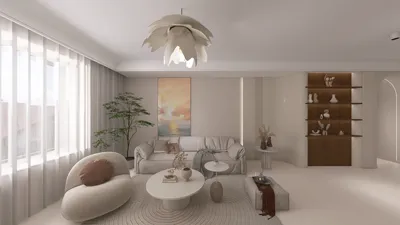


Direct Answer
The optimal approach to enhancing interior design skills throughout a diploma course involves integrating hands-on technical exercises, real-world space analysis, and active portfolio creation simultaneously. Students who frequently design layouts, examine authentic interiors, and track their progress tend to develop their abilities much faster than those relying solely on classroom tasks.
From my experience mentoring junior designers, those who treat their diploma as an ongoing design workshop rather than just a set of courses generally graduate with more robust portfolios and greater employment prospects.
Quick Takeaways
Introduction
Many learners mistakenly believe that completing assignments alone will naturally build strong design skills. However, after working with numerous junior designers over the years, I have found that interior design mastery grows through continual practice, observation, and experimentation.
If you're enrolled in or planning a diploma program, knowing how to develop interior design skills during your studies can significantly impact your career trajectory. I've witnessed students graduate with remarkable portfolios and job offers, while others finish uncertain about how to design functional spaces.
The key difference rarely stems from raw talent. It's largely determined by the quality of practice.
For instance, many successful students regularly experiment with layout platforms to test ideas beyond the classroom. Tools like Homestyler enable users to create realistic room layouts and place furniture, helping transform theoretical design concepts into practical spatial solutions.
In this article, I will outline effective strategies I advise all students to use for improving interior design skills during their diploma program.
save pin
Essential Skills Every Interior Design Diploma Student Must Cultivate
Key Insight: Top students prioritize spatial reasoning, visual storytelling, and material comprehension over mere decorative styling.
Interior design is frequently mistaken for decoration. In truth, accomplished designers approach it as problem-solving. They assess circulation, lighting, ergonomics, and occupant behavior before selecting color schemes or furnishings.
Analyzing hundreds of student portfolios reveals that the strongest differentiation lies in how deeply students understand spatial relationships.
Core skills interior design students should actively develop:
The American Society of Interior Designers consistently highlights spatial planning and user experience as fundamental competencies for aspiring professionals. Early training in these areas cultivates stronger design instincts.
Mastering Interior Design Software and Digital Tools
Key Insight: While software doesn’t replace creativity, it greatly accelerates the ability to test concepts rapidly.
Digital visualization is a critical skill for interior design students today. Even novices are expected to produce floor plans and 3D perspectives.
Students who begin using design applications early tend to have more impressive portfolios due to faster iteration.
Popular software in interior design education includes:
Many beginners find platforms like Homestyler beneficial because they allow quick creation of detailed 3D floor plans and room visualizations. This facilitates grasping scale, circulation flow, and spatial harmony.
Common oversight by many students:
High-quality visuals mean little if the design wouldn’t function well in a real home.
save pin
Practicing Space Planning and Design Concepts Effectively
Key Insight: The most efficient way to boost spatial design ability is through repeated redesign of actual rooms.
Early in my career, I found that one exercise outperformed others: reimagining existing spaces.
Instead of starting from scratch for every assignment, examine real interiors:
A simple yet effective weekly routine:
This method develops spatial intuition faster than theory alone.
Creating a Strong Student Portfolio Throughout the Diploma
Key Insight: Effective portfolios showcase thought processes and problem-solving, not just polished imagery.
Many students misunderstand employer expectations for portfolios. Mere aesthetic renders rarely persuade studios.
Firms seek evidence of design challenges being tackled thoughtfully.
Elements a compelling interior design student portfolio should contain:
Students who use visualization platforms like Homestyler to quickly generate multiple design alternatives demonstrate their creative flexibility.
Typical portfolio mistake:
Five thoroughly documented projects outweigh many hastily prepared ones.
save pin
Internships and Hands-on Practice Opportunities
Key Insight: Exposure to real projects reveals practical constraints rarely covered in classroom exercises.
A common deficiency in many diploma courses is limited access to actual design projects.
Real-world design invariably involves:
Places to gain practical experience include:
Even brief internships significantly improve comprehension of workflows from concept through installation.
Common Pitfalls That Hamper Skill Progression
Key Insight: Many students struggle not for lack of natural ability but because their design practice is too passive.
After reviewing numerous portfolios and advising junior designers, certain recurring patterns are evident.
Frequent errors by interior design students include:
Those who approach their diploma as a continuous design lab—constant space redesign and idea testing—usually develop sharper instincts by graduation.
Answer Box
The quickest way to enhance interior design skills during a diploma is consistent spatial practice, early adoption of software like Homestyler, and maintaining a detailed portfolio. Students who routinely redesign real spaces and experiment with layouts develop professional-level design thinking much sooner.
Final Summary
FAQ
What skills are essential for interior design students?
Crucial skills encompass space planning, understanding materials, lighting design, visual presentation, and communication. A strong spatial mindset is vital.
How can I enhance my interior design skills during a diploma?
Practice redesigning real rooms, master design software early, document your projects thoroughly, and pursue internships or practical opportunities.
Which software tools are frequently taught in interior design classes?
AutoCAD, SketchUp, and 3D visualization platforms such as Homestyler are commonly used for modeling and rendering interior spaces.
How many projects should be included in a student’s portfolio?
A robust portfolio typically features 4 to 6 well-documented projects demonstrating conceptual development and design process.
Are drawing skills necessary for interior design students?
Basic sketching assists in quick idea communication, but strong spatial awareness and proficiency with digital tools are equally important.
What characterizes a strong interior design student portfolio?
Effective portfolios include concept sketches, layouts, material choices, lighting strategies, and visualizations.
How important is software knowledge for novice interior designers?
Extremely important. Software skills enable students to visualize concepts and present designs professionally.
Can interior design skills be acquired outside traditional classroom settings?
Absolutely. Studying real interiors, experimenting with layout changes, and using visualization tools like Homestyler expedite skill development.
References
American Society of Interior Designers (ASID)
National Council for Interior Design Qualification (NCIDQ)
Meta TDK
Meta Title: Enhance Your Interior Design Skills During Your Diploma Program
Meta Description: Discover practical methods to improve interior design skills throughout your diploma, including portfolio strategies and professional design software.
Meta Keywords: interior design skills, skills for interior design students, student portfolio tips, improving design skills during diploma, beginner design software, Homestyler

Tribesigns 70.87" Tall Geometric Bookshelf, White

Minimalist Clear Acrylic Rectangular Coffee Table 3D Model
GarveeHome 6 Drawer Dresser for Bedroom, Antique
Homestyler is an easy-to-use online home design platform offering powerful 3D rendering, a vast collection of design projects, and helpful video tutorials. It’s perfect for bringing your interior decoration ideas to life, whether you’re a beginner or a design enthusiast.
Projete agora para LIVRE
































