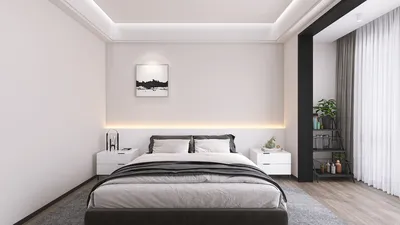


I often utilize PVC wall panels in living rooms for projects that require sleek lines, quick setup, and effortless upkeep. These panels provide a seamless surface finish, endure everyday usage, and conceal wiring or imperfections in walls without the need for extensive wet work. By choosing from an array of profiles and textured finishes, you can easily create rhythm, contrast, and depth without straining your budget or complicating the design—thanks in part to tools like Homestyler.
The importance of durability and occupant comfort remains paramount. Research conducted by Steelcase indicates that maintaining visual clarity and creating orderly spaces diminishes cognitive strain, enhancing focus and perceived wellbeing in multifunctional environments. Concurrently, WELL v2’s Light and Mind principles stress the necessity of controlling glare, ensuring balanced lighting, and providing environmental cues that promote tranquility and restoration—elements crucial for living areas that shift between social gatherings and restful retreats. You can refer to WELL v2 resources to align your lighting and material choices with health objectives.
Refined Minimalism: Monolithic Panels with Balanced Lighting
I begin with large matte PVC panels to establish a continuous backdrop. A soft ambient lighting design around 3000–3500K offers warmth without compromising the integrity of whites. IES suggests that living spaces generally function best with 100–300 lux of ambient lighting, supplemented by layered task and accent lights to minimize visual fatigue. Pair wall grazers with indirect cove lighting to preserve soft shadows and highlight surface textures. When extending the panels to full height, consider integrating flush outlets and shadow-gap trims to achieve a visually light edge.
Texture and Rhythm: Fluted, Ribbed, and Linear Profiles
Incorporating fluted PVC panels introduces vertical rhythm, elongating lower ceilings and enhancing perceived proportions. A flute spread of 20–40 mm works well from typical viewing distances in the living room. I suggest avoiding high-gloss finishes on ribbed profiles; instead, opt for satin or low-sheen to minimize glare. For added depth, alternate between fine and medium flute sizes across different areas. Highlight a feature wall with a narrow 2700K line of light grazing from one side to accentuate texture without producing stark scallops.
Integrated Media Wall: Wiring, Ventilation, and Serviceability
Media walls benefit from PVC channels that hide cables, brackets, and other devices. Ensure removable access panels are placed behind the TV or beneath the console for maintenance. If you're accommodating amplifiers or set-top boxes, include ventilation openings to ensure passive airflow for warm equipment. A matte mid-tone panel situated behind the screen enhances contrast, while side flutes can mitigate reflections. For speaker positioning, you might consider installing panels that incorporate acoustic fabric sections, allowing sound transmission while avoiding reflective issues at ear level.
Color Psychology: Warm-Neutral Tones that Calm and Connect
In living rooms, I favor warm neutrals—soft taupes, stone greys, and warm whites—to create a welcoming atmosphere. According to insights from Verywell Mind, warm tones evoke intimacy, while cooler hues can feel more distant and formal. If introducing a bold shade, limit it to a single accent surface and balance it with organic textures such as timber or woven materials to ground the color scheme. PVC can convincingly mimic wood grain, making it ideal for contemporary aesthetics by selecting subtle cathedral patterns and tight grains.
Light Control: Glare, Reflection, and Visual Comfort
Managing glare relies on both the finish and the light's directionality. PVC panels with a satin surface help diffuse reflections; steer clear of downlights positioned perpendicular to glossy panels. Utilize wall washing techniques at shallow angles of 20–30° to showcase texture without creating hotspots. Maintain a balanced ratio of ambient to accent lighting—ideally 1:3—to keep focal points engaging yet comfortable for the eyes. Incorporating dimmable drivers and layered circuits allows for mood adjustments during social events, movie nights, or quiet reading time.
Contrast Pairings: PVC + Natural Materials
To avoid a sterile ambiance, complement PVC panels with tactile materials. I frequently pair fluted PVC with oiled oak shelving or slatted timber screens. This combination of sheen and texture fosters compositional harmony: a smooth panel backdrop contrasted by organic highlights. Additionally, stone-like PVC can frame a fireplace niche, offering a lightweight and cost-effective alternative to natural stone; maintaining tight joints and aligning veining enhances visual cohesion.
Feature Niches and Integrated Shelving
The lightweight nature of PVC facilitates easy niche creation. Adding back panels in a slightly darker hue can add dimension. It's important to incorporate LED strip lights in niches with diffusers to prevent harsh diode imagery on glossy PVC; aim for 200–400 lumens per foot of linear space for ambient display lighting. Pre-plan cable layouts for smart technology or chargers before installation to maintain a clean surface and ensure future adaptability.
Acoustic Comfort: Panel Strategy for Living Rooms
Hard surfaces can amplify sound. Balance PVC with acoustic rugs, fabric cushions, and curtains. If echoes are noticeable, consider adding perforated PVC pieces backed with acoustic felt in areas that tend to reflect sound. Aim for reverberation times between 0.5–0.7 seconds to keep speech clear without making conversation difficult. Soft furnishings should be placed at first reflection points—typically opposite speakers or the TV—to enhance dialogue clarity.
Small Living Rooms: Visual Width and Storage Solutions
In smaller spaces, glossy PVC can enhance brightness but may also increase glare; a low-sheen light color is a safer alternative. Using horizontal ribbing can visually expand the area. Incorporate floating consoles with panel backing to create an unobstructed visual field. If you're assessing furniture placement and flow, a room layout tool can assist in simulating seating configurations, TV angles, and pathways before finalizing panel locations.
Sustainability and Maintenance
Opt for PVC products that have verified VOC performance and compliant finishes. Ensure cleaning involves mild soap; abrasive materials can damage the surface. Whenever feasible, choose recyclable options or manufacturers that offer take-back programs. For sun-exposed areas, look for UV-stable finishes to prevent discoloration. To ensure longevity, protect edges with aluminum trims in high-contact zones, like entryway thresholds.
Installation Notes: Joints, Tolerances, and Detailing
Maintain consistent expansion gaps, as PVC can expand with temperature changes. Employ shadow-gap trims (6–10 mm) to frame panels, visually elevating them from the floor or ceiling. Align panel joints with architectural features, such as door frames, window sills, or built-ins. If wrapping around columns, make sure corners are mitered cleanly or opt for rounded profiles to avoid chipping.
2024–2025 Design Nuances
Emerging trends in living rooms for 2024-2025 showcase low-contrast warm greys, subtle fluted designs, and integrated media walls that hide technology behind serene surfaces. Layering indirect lighting along with soft, eco-friendly materials counterbalances the clean lines typical of PVC designs. The aim is to create environments that effortlessly transition from being social venues to tranquil escapes without the clutter.
FAQ
A1: Yes, if sourced from reputable manufacturers with low-VOC finishes. Check product specifications for emissions and UV resistance, ensuring proper ventilation throughout the installation process.
A2: Opt for matte or satin finishes, directing lights as wall washes at shallow angles. Keep ambient lighting around 100–300 lux, equipped with dimmable features to balance accents effectively.
A3: Solid PVC can reflect sound, but introducing perforated sections backed with acoustic insulation, alongside rugs and upholstered items, can help achieve a comfortable reverberation time of approximately 0.5–0.7 seconds.
A4: New films and textures for PVC are impressively realistic. Choose understated wood grains and consistent veining, ensuring seams are well-aligned for a refined appearance.
A5: A temperature of 2700–3500K is ideal, using warmer shades for cozy evenings and slightly neutral whites for daytime brightness. Implement layered lighting and dimmers for adaptability.
A6: Plan for cable management and service access before installation. A mid-tone backdrop behind your screen enhances contrast, while fabric sections can be included for necessary sound transmission.
A7: Certainly. Choose light, low-sheen finishes and horizontal ribbing to create a sense of expanded space. Consider using a floating console and simulate layouts using an interior planning tool before making decisions.
A8: Clean with a soft cloth and mild soap. Steer clear of abrasive cleaners or harsh chemicals. Regularly inspect trims and edges, especially in high-traffic areas, for wear and tear.
A9: Popular choices for tranquil, tech-ready living rooms include subtle fluted and ribbed profiles, expansive matte fields, and built-in niches illuminated with indirect lighting.
A10: Absolutely. Panels can be batten-mounted to even surfaces and feature cavities for efficient cable management, with access points designed for future upgrades.
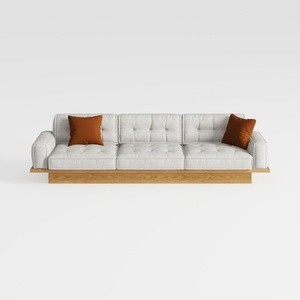
Modern Solid Wood Frame Tufted Fabric Three Seat Sofa 3D Model
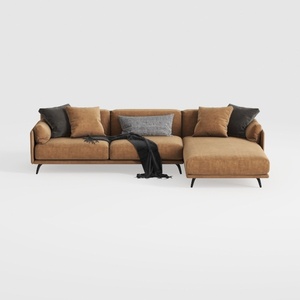

Coaster Home Furnishings - Camacho - Upholstered C
Discover the ease of home design with Homestyler! This online platform offers an intuitive design tool, stunning 3D renderings, and a plethora of DIY video tutorials. Perfect for turning your interior design dreams into reality—no experience necessary! Start creating today!
Projete agora para LIVRE
































