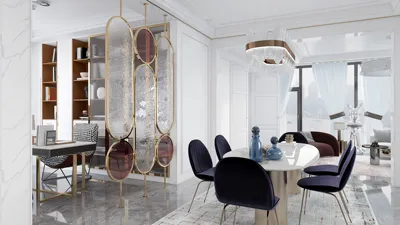


I had a client once who envisioned their living room feeling 'fresh' right before hosting a dinner party — however, the paint decided to flake off like confetti just a day prior. I rushed in equipped with a scraper, some primer, and an upbeat demeanor, realizing that peeling paint often signals issues related to moisture, bonding, or outdated finishes. When working within the confines of a small apartment, what seems like a crisis can be an opportunity for creativity; minor repairs can become stylish upgrades. To swiftly visualize the necessary changes while planning repairs, I often imagine a compact room layout, allowing me to see how elements will interact with one another.
1) Patch, Sand, Prime — The Classic Repair
Begin by scraping away any loose paint, sanding down the edges, and cleaning the wall with a gentle detergent. If the surface is in good condition, applying a high-quality bonding primer followed by a matching topcoat can restore your wall's fresh appearance. This method is both economical and quick, but ensuring proper color matching and priming is essential — skipping the primer may lead to recurring issues.
2) Address Moisture Issues Before Painting
Peeling paint often stems from humidity or a concealed leak. It’s vital to fix any leaks, enhance ventilation, or utilize a dehumidifier prior to repainting. Although this process may require time and sometimes a plumber's assistance, it’s an investment that wards off future peeling.
save pin
3) Opt for Moisture-Resistant Coatings
For kitchens or bathrooms, transitioning to moisture-resistant paint or utilizing partial tiles can significantly reduce the chance of paint failure. When redesigning a cooking space, consider how your surface choices affect both maintenance and longevity — establishing the layout around potential water splashes can improve both durability and your kitchen workflow. Keep in mind that there’s a cost and potentially a longer project duration involved.
save pin
4) Creative Cover-Ups: Wainscoting, Panels, or Textured Finishes
In cases of extensive peeling, I sometimes suggest installing beadboard, shiplap, or decorative panels on the lower half of a wall. This approach conceals damage, adds character, and reduces the necessity for repainting. Although this requires more effort and consideration for trim details, the aesthetic enhancement is significant, especially in smaller spaces.
save pin
5) Transform a Defect into a Design Feature: Accent Walls and Durable Finishes
If peeling occurs in a prominent area, consider converting it into an intentional textured accent wall using high-build coatings or limewash. For areas exposed to moisture, select finishes specifically designed to withstand it — I always ensure to discuss long-term maintenance options with clients, to ensure solutions not only look good but also last. For tailored strategies concerning moisture in bathrooms, I frequently refer to practical tips that can help.
save pin
FAQ
Q1: What leads to paint peeling on walls?
A1: Peeling is typically due to moisture, inadequate surface preparation, incompatible paint layers, or deteriorated substrates. It’s essential to check for leaks and ensure proper ventilation prior to repainting.
Q2: Is it acceptable to just paint over peeling areas?
A2: No, simply painting over loose paint will not resolve the root problem. It’s crucial to remove any loose material, sand, clean, prime, and repaint to achieve a lasting finish.
Q3: How can I determine if my peeling paint contains lead?
A3: Homes constructed before 1978 may contain lead-based paint. The EPA advises testing suspect areas — visit their lead resources for testing procedures and safety guidelines.
Q4: Which type of primer is best for peeling walls?
A4: Opt for a high-adhesion or stain-blocking primer that is compatible with your substrate; for areas prone to moisture, a mildew-resistant primer is advisable. Ensure the primer complements both the existing surface and the new topcoat.
Q5: How long should I wait to repaint after fixing a leak?
A5: It’s crucial to let the wall dry completely — the timeframe can vary from days to weeks depending on the material and ventilation. Utilize a moisture meter or check for dryness by touch before priming.
Q6: Can textured paint conceal minor peeling?
A6: While textured finishes can help mask minor imperfections, they won’t address underlying adhesion issues. Proper preparation remains essential to avoid recurrence.
Q7: Is paneling a more effective long-term solution than frequent repainting?
A7: In high-traffic or moisture-heavy areas, durable panels or tiles often outlast paint long-term and minimize maintenance efforts, albeit with greater initial costs.
Q8: When is it advisable to call a professional?
A8: Contact a professional if you suspect structural water damage, mold, lead paint, or if the area in need of repair is large. A professional can identify the core issues and propose lasting solutions.
save pin
Discover the ease of home design with Homestyler! This user-friendly platform offers an intuitive online design tool, stunning 3D renderings, and a wealth of DIY video tutorials. Whether you're a beginner or a seasoned designer, you'll find endless inspiration for your next project!
Projete agora para LIVRE
































