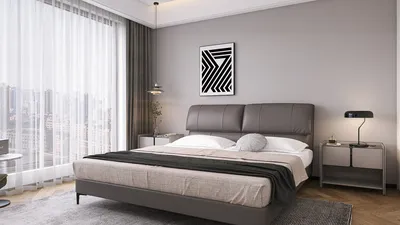


I once worked with a client who was determined to have their new bathroom adorned entirely in shades of brown, while their partner envisioned a space dominated by cool gray tones. It almost felt like I needed to step in as a referee! Instead, I successfully combined both preferences, uncovering the stunning synergy that exists between warm wood tones and cool grays when applied with care—especially in more compact spaces. A great starting point for this design approach involves introducing warm wooden accents to balance the starkness of concrete-gray tiles, preventing the area from appearing overly sterile.
1. Combining Warm Wood with Stone Gray
I have a penchant for pairing wood vanities or shelves with gray stone tiles; the warm hues of wood contrast beautifully with the modern feel of gray. This combination is not only aesthetically pleasing but also practical, as the gray surface tends to hide dirt effectively, resulting in a cozy atmosphere. However, it is advisable to choose engineered wood or thoroughly sealed surfaces to withstand bathroom humidity.
2. Two-Tone Walls to Alter the Room's Perception
Painting the lower section of walls in a warm brown while the upper half is a soft gray (or the other way around) can dramatically transform how proportions are perceived in a room. This affordable strategy is especially beneficial for those on a budget, but it’s important to carefully select undertones—brown with red undertones can clash with cool blue-gray tones.
save pin
3. Matte Gray Tiles Paired with Warm Metal Fixtures
Utilizing matte gray tiles creates an elegant and serene backdrop for either brown or brass fixtures. The contrast enhances the appearance of the hardware, but it’s crucial to coordinate metal finishes to avoid a mismatched look. For visual design, I frequently use planning tools to illustrate how matte gray tiles will appear on a larger scale.
save pin
4. Patterned Tiles Uniting Both Color Tones
Consider adding a patterned feature wall or a herringbone floor design that mixes both brown and gray tiles to infuse personality into the space without overwhelming it. Patterns can give a luxurious designer touch while maintaining a budget, but it’s wise to keep fixtures simple to avoid cluttering the look.
save pin
5. Floating Vanities with Space-Efficient Storage
Implementing a floating brown vanity over gray tile not only maintains a light visual footprint but also optimizes storage and adds depth to the space. This practical design choice simplifies cleaning under the unit and creates an illusion of a larger floor area. I advise sketching out your layout before starting to ensure proper proportions, and using 3D renderings can help visualize the final result, reducing any unexpected surprises. Be mindful that plumbing and structural anchoring may incur additional costs, but the increased space is well worth it.
For those on a tight budget: consider wood-look porcelain tiles where real wood would struggle, and choose one accent finish (either brass or black) to harmonize both the brown and gray elements.
save pin
FAQ
Q1: What is the ideal gray to pair with brown?
My recommendation often leans towards a mid-tone warm gray to accompany warm browns, or a cooler dove gray alongside walnut. Testing large swatches within your bathroom's lighting is essential before making a final decision.
Q2: Is it advisable to use real wood in a bathroom?
Absolutely—provided it’s engineered, properly sealed, and kept away from direct water exposure. For low maintenance, wood-look tiles serve as an excellent alternative that still delivers the desired visual warmth.
Q3: Which metal finish complements brown and gray best?
My top choices are warm brass or matte black: brass accents warm up the gray tones, while black creates a stark yet stylish contrast. It’s advisable to stick with one metal finish throughout the fixtures for a cohesive look.
Q4: How can I create the illusion of a larger bathroom?
Opt for large-format gray tiles to minimize visible seams, maintain consistent grout tones, and incorporate reflective lighting. Additionally, floating vanities and wall-mounted fixtures can help free up floor space visually.
Q5: Are patterned tiles too overwhelming for small bathrooms?
Not when patterns are reserved for a single area, such as a backsplash or a shower wall, and when surrounding finishes are kept simple. Patterns are a fantastic, quick way to introduce character without needing an entire remodel.
Q6: What clearance should I maintain around fixtures?
Standard guidelines suggest allowing at least 21 inches of clear space in front of fixtures and 30 inches between opposing fixtures. According to the National Kitchen & Bath Association (NKBA), these clearances are vital for usability and safety.
Q7: Should I choose paint or tile behind a bathtub?
Tile is preferable for durability and waterproofing in fully splashed zones, while high-quality semi-gloss paint may suffice for smaller splashbacks. Consider your budget and the longevity of your investment; tile typically proves more durable in the long run.
Q8: How much should I allocate for a brown-and-gray refresh?
For a surface refresh involving paint, new fixtures, and minor tiling, expect a modest budget; however, comprehensive renovations involving new vanities, tiles, and plumbing will necessitate greater expense. I always recommend planning for a contingency of 10–15% for unplanned expenses, especially in older homes.
save pin
Discover your interior design potential with Homestyler! This intuitive online platform offers a user-friendly design tool, stunning 3D renderings, and a wealth of design projects and DIY tutorials. It's the perfect companion for anyone looking to transform their space effortlessly!
Projete agora para LIVRE
































