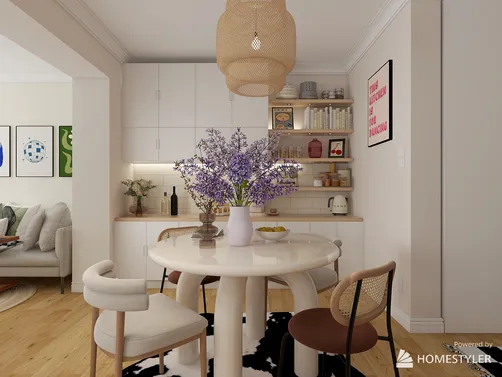
Once, a client presented me with a challenge: fitting a 3 x 8 extendable glass dining table into a dining nook that resembled a shoebox — and they wanted space for a yoga mat as well. I couldn't help but chuckle; however, after sketching three designs on a napkin, we managed to make it work beautifully. This little design challenge is precisely why I believe that small spaces ignite immense creativity. When executed correctly, a glass-top table can truly feel enchanting. To visualize layouts efficiently, I frequently initiate projects using an interactive room mockup, which helps in assessing proportions before making any purchases.
1. Focus on proportion rather than perfection
A table of 3 x 8 feet is both long and narrow, necessitating careful measurements. It’s essential to ensure at least 36 inches of clearance on both sides for comfortable movement. Glass tops can make larger tables appear lighter as they don’t obstruct sightlines, but maintaining visual balance is key — consider pairing a long tabletop with sleek legs or a central trestle to prevent the piece from overwhelming the space. The advantage: guests are drawn to the airy appearance; the downside: glass surfaces can show smudges, leading to greater upkeep demands.
save pin
2. Select the appropriate base for an extendable glass top
Not every base is suitable for glass and extension mechanisms. I suggest opting for a sturdy central trestle for optimal stability or two slender metal legs placed at either end, complemented by a reinforced crossbeam for the extending feature. Trestles are both stylish and family-friendly, though they may restrict legroom; however, thin metal legs contribute to a contemporary feel and openness but might require additional bracing for heavier glass.
save pin
3. Utilize mirrors, lighting, and layout effectively
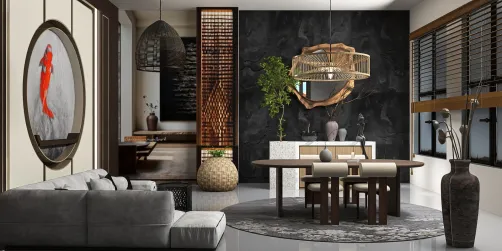
Glass has reflective qualities, so consider hanging a pendant or linear chandelier above the table, and place a mirror on a nearby wall to visually elongate the room's appearance. While designing layouts that integrate kitchen and dining areas, I often sketch the flow of traffic around the extended table — utilizing a simple kitchen layout guide can prevent many headaches and confirm that there is adequate clearance for drawers and doors when the table is in use.
save pin
4. Rethink seating options: benches, stackable chairs, and multifunctional pieces
Benches can slide under tables, providing extra seating without contributing to visual clutter; foldable or stackable chairs can be stored away when floor space is needed. I am also fond of storage benches that discreetly hold table linens or board games — practical solutions for smaller homes. The downside: benches may lack comfort during extended meals unless cushions are added, and stackable options require designated storage space when not in use.
save pin
5. Consider finish, maintenance, and where to invest extra
Tempered glass is essential for a dining table: it provides both safety and durability. For the frame, it's worth investing in quality hardware if the extension is likely to see frequent use; inexpensive runners can often squeak and jam. If you're uncertain about finishes or wish to preview a complete scene, I frequently create a 3D render showcase to allow clients to visualize material options and lighting before making a decision — seeing is believing, and it helps avoid expensive returns.
save pin
FAQ
Q1: Will a 3 x 8 table fit in a standard dining room?
Measure the usable area of your room, considering pathways and clearance for appliances. As a general guideline, ensure at least 36 inches of clearance on all sides; confined areas may call for creative seating solutions or foldable options.
Q2: Is a glass top practical for daily dining?
Absolutely, tempered glass is both durable and hygienic, yet it tends to show fingerprints, necessitating regular cleaning. Employ placemats or a runner for frequent use to safeguard the surface and minimize cleaning tasks.
Q3: What base is ideal for an extendable glass dining table?
A reliable trestle or a reinforced central beam combined with slender legs typically offers the best support for both the glass and the extension mechanism. It's wise to avoid exceedingly thin bases unless they're designed to handle the load.
Q4: How much clearance should I maintain around the table?
Industry standards suggest keeping 36 inches from the table edge to adjacent walls or obstacles for easy movement while seated or standing (source: NKBA, nkba.org). This also facilitates the movement of chairs and the opening of nearby doors and cabinets.
Q5: Can I mix wooden chairs with a glass table?
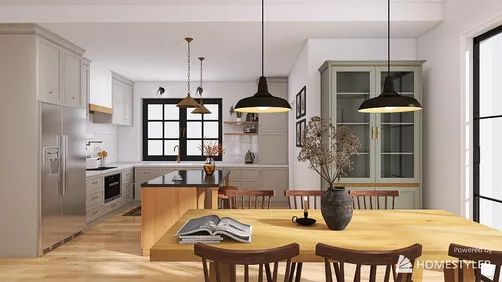
Definitely. Combining materials introduces warmth and contrast; I often pair glass tops with wooden chairs or a wooden bench, which softens the modern look of the glass. While coordinating tones, don’t hesitate to mix and match for a more dynamic setting.
Q6: How do I maintain tempered glass tabletops?
Use a soft microfiber cloth and a gentle glass cleaner or a vinegar-water solution for daily care. Avoid abrasive sponges and be cautious when placing extremely hot cookware directly onto the glass surface.
Q7: Are extendable glass tables more costly to maintain?
They can be, largely because of the extension hardware — select quality runners and ensure they are lubricated and tightened regularly. The glass itself requires minimal maintenance if you guard against scratches.
Q8: Can I visualize my design prior to purchase?
Indeed — 3D visuals and layout schematics are invaluable. I create quick mockups to assess dimensions and flow, allowing clients to comprehend how an extended table will function within the space before committing to it.
Homestyler is your go-to online home design platform! With its easy-to-use design tool, stunning 3D renderings, diverse design projects, and helpful DIY video tutorials, you can effortlessly create and visualize your ideal living space. Start your design journey today!
















![[For dear Adelina madee 🤎]](https://hs-designs.homestyler.com/production/design/images/8a07e535-9cbc-4132-a42a-5932dac3a112/1706972286037.jpg?x-oss-process=image/resize,w_502,m_mfit/format,webp)