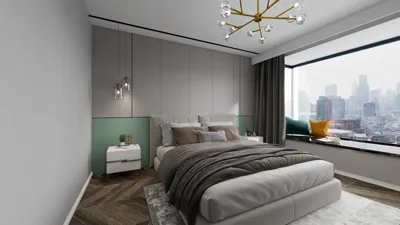


I once found myself drilling three holes perfectly aligned for a series of paintings, only to discover halfway that I had mistakenly interchanged the frames; the central piece actually belonged in the bedroom, not the living room. This blunder taught me two valuable lessons: small spaces can be unforgiving when it comes to hasty decisions, and a trio of artwork can either elevate or diminish the aesthetic of a room. To visualize your arrangement in 3D before finalizing your choice, I always suggest using a platform like Homestyler to preview the collection in its intended context.
1. Triptych storytelling
I enjoy conceptualizing three artworks as a singular narrative — an unfolding story captured across panels, or three moments from a cohesive photo series. This approach adds drama and cohesion, extending the visual appeal of a wall without unnecessary clutter. The key challenge lies in ensuring proper alignment and consistent framing; if one panel appears off, the entire story loses its impact.
save pin
2. Symmetrical trio for balance
Whenever uncertainty arises, opting for symmetry proves successful. Three identically sized paintings, perfectly spaced above a sofa or console, can instill calmness and order in busy spaces. However, to avoid predictability, I occasionally introduce variations in texture (like matte versus gloss) or mat color to add subtle interest while maintaining symmetry.
save pin
3. Vertical stack mix for narrow walls
On a narrow wall or next to a bookshelf, arranging three paintings vertically in varying sizes utilizes height effectively and draws the viewer's gaze upward. I frequently advise my clients to sketch their stacking options and visualize their wall setup via Homestyler before investing in frames, as this helps to prevent unnecessary trips to the store. Tight spacing offers a modern look, while more space between pieces creates a relaxed atmosphere; choose according to your room’s rhythm.
save pin
4. Color-block trio for impact
Select three pieces of art that feature a common dominant color to create a visually striking trio. This method enables you to introduce a bold accent without the need for repainting. However, be cautious of overmatching — I recommend incorporating neutral tones and a small contrasting accessory to prevent a monotonous appearance.
save pin
5. Functional art cluster
Pair a trio of paintings with a slim shelf, a reading light, or a plant to enhance both aesthetic appeal and functionality. I’ve positioned art above floating shelves, crafting a curated vignette that also serves as storage. Before finalizing your arrangement, take a moment to visualize the trio with Homestyler in context so that the art, lighting, and shelf depth harmonize rather than clash.
save pin
FAQ
Q: What exactly is meant by a set of 3 wall paintings? A: It refers to three artworks intentionally grouped to function as a unit, harmonized by theme, color, size, or narrative. Sets can consist of identical pieces or complementary works that create a cohesive look.
Q: What is the ideal height for hanging three paintings? A: A general guideline is to hang the center of the grouping at eye level — approximately 57 inches (145 cm) from the ground, aligning with many gallery standards. Adjustments may be necessary depending on furniture height and ceiling proportions.
Q: How should I space the paintings apart? A: For a cohesive display, 2-4 inches (5-10 cm) of distance between frames is common; wider gaps allow each piece to breathe. Smaller frames can be placed closer together, while larger pieces require more space to avoid overcrowding.
Q: Is it acceptable to mix frames and styles in a trio? A: Absolutely — mixing frames can inject character into the display, particularly if balanced with a common element like a shared mat color or repeated color in the artwork. However, be intentional about your choices: random mixes can come across as chaotic, while curated contrasts appear sophisticated.
Q: What size combinations are best for a set of three? A: Consider proportional relationships: using three identical sizes conveys formality, while graduated sizes provide dynamic movement, or feature one large piece flanked by two smaller ones for focal interest. Always measure your wall and furniture beforehand.
Q: What’s the best way to ensure accurate hanging? A: Utilize a paper template or painter’s tape to test arrangements, and always employ a level for precision. If you prefer a digital approach, various interior design tools like Homestyler allow you to simulate placements, avoiding extra holes.
Q: Any budget-friendly tips for styling a trio? A: Consider shopping at thrift stores for frames and invest in one standout print or create your own photos printed on archival paper. Simple frames can unify diverse art affordably, and swapping out mats is a cost-effective way to refresh your display.
Q: Where can I find out about museum hanging standards? A: Many museums have a standard center height; for instance, The Museum of Modern Art (MoMA) and similar institutions often use 57 inches (145 cm) as an average for artwork center placement, providing a useful guideline for home hanging.
save pin
Homestyler is your go-to online home design platform! With its user-friendly design tool, stunning 3D renderings, and a wealth of design projects and video tutorials, you can effortlessly create and visualize your dream spaces. Transform your home design ideas into reality with ease!
Projete agora para LIVRE
































