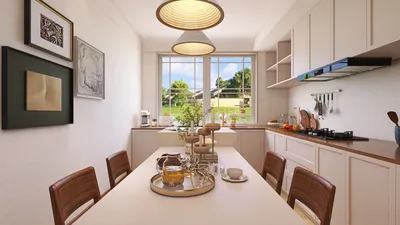


A kitchen set represents one of the most significant investments you'll make for your cooking space. Unlike other furniture that can be easily moved or replaced, a well-installed kitchen set stays with you for years. Making poor choices in materials, layouts, or suppliers can lead to costly regrets and daily visual displeasure.
Conversely, a thoughtfully designed kitchen set transforms an ordinary kitchen into an enjoyable, efficient workspace and becomes one of the most attractive areas in your home. This article covers everything you need to consider before placing your kitchen set order.
Why Hurrying Through Kitchen Set Planning Is a Mistake
Kitchen sets rank among the hardest and priciest home elements to modify once installed. Removing and replacing them involves dismantling cabinets fixed to walls, relocating plumbing and electrical fixtures, and restarting the entire process, often costing as much as or more than the initial installation.
Hence, meticulous planning before ordering is crucial. This includes accurate room measurements, designing a layout suited to your cooking habits, choosing materials ideal for the climate and usage levels, and visualizing the final look digitally before committing to any supplier.
Choosing the Right Kitchen Set Layout for Your Home
The I-shape layout arranges all components in a single straight line, ideal for narrow or elongated kitchens such as those in compact homes or studio apartments. It’s space-efficient but limits work area.
L-shape layouts, popular in many regions, place cabinets and countertops along two adjoining walls forming an L. This layout expands the workspace, maximizes corner areas, and creates an efficient work triangle among the stove, sink, and refrigerator.
U-shape layouts utilize three walls for maximum storage and work surfaces. Perfect for larger kitchens with active cooking families, it’s important to maintain at least 120 cm between opposing cabinets for comfortable movement.
An island layout introduces a central worktable serving as an additional prep area or casual dining spot. It requires ample space, with at least 90 cm clearance around all sides, commonly seen in modern open-plan kitchens.
Durable Kitchen Set Materials for Tropical Climates
Plywood combined with HPL (High-Pressure Laminate) is the premium choice for kitchen sets in tropical areas. Plywood offers dimensional stability while HPL resists scratches, medium heat, and is easy to clean, outperforming MDF when exposed to humidity.
MDF coated with duco paint or HPL delivers a smooth, uniform finish suitable for premium looks, though it’s more vulnerable to moisture and structurally weaker than plywood. Best used for overhead cabinets with less weight-bearing needs.
Aluminum frames with panel inserts are increasingly favored for industrial-style kitchens. Fully resistant to moisture, they neither swell nor rust and their lightweight nature reduces wall load while offering a sleek, contemporary aesthetic.
Material Comparison for Kitchen Sets
Selecting a Countertop That Won’t Disappoint
Countertops endure daily exposure to knives, heat, water, and food substances, making material choice critical. Poor decisions here result in common kitchen set regrets.
Engineered stone (quartz) is ideal for Indonesian kitchens due to its non-porous surface that resists staining without sealing, its resistance to most kitchen chemicals, and its vast variety of colors and textures, including realistic marble looks. Natural granite is a premium alternative with unique patterns but requires periodic sealing.
Often Overlooked but Crucial Kitchen Set Components
Soft-close hinges and full-extension drawer slides are often cost-cutting points for vendors but significantly affect long-term comfort. The difference between drawers that gently close on their own and those slammed shut daily is impactful. The backsplash, the wall section between upper and lower cabinets, greatly influences the kitchen’s visual appeal—its material choice can uplift or detract from the entire look. Under-cabinet lighting provides essential task illumination and creates a modern aesthetic effect.
Visualizing Your Dream Kitchen Set with Homestyler Before Ordering
One of the most costly mistakes in ordering kitchen sets is approving designs based solely on 2D images or vendor presentations without experiencing the three-dimensional view in the actual kitchen context. Colors appearing accurate on small samples can look entirely different when applied to the entire kitchen set.
Using Homestyler, accessible via browser or desktop apps for Windows and macOS, you can visualize different layout configurations, material choices, finishes, countertop types, and backsplash designs in ultra-high-definition 4K photorealistic renders from multiple perspectives. This lets you compare options and provides a clear visual reference for discussions with suppliers to ensure your vision aligns perfectly with the final product.
Estimating Kitchen Set Costs
Conclusion
Investing in a kitchen set affects your cooking comfort and kitchen beauty daily. By picking a layout tailored to your habits, using materials resistant to tropical conditions, selecting quality components, and digitally previewing the outcome before ordering, your dream kitchen can come true without unpleasant surprises.
Start designing your ideal kitchen set now with Homestyler—available for free through browsers or Windows and macOS desktop applications.
FAQs
1. Which kitchen set materials are most durable for Indonesian kitchens?
Plywood finished with HPL is the best combination—more moisture-resistant than MDF, structurally strong, and with HPL’s scratch resistance and easy cleaning. MDF with duco paint may be a budget-friendly option for upper cabinets that bear less weight.
2. Which kitchen set layout works best for small kitchens?
I-shape layouts are the most space-saving for narrow kitchens. If there are two adjacent walls, L-shape offers significantly better work and storage areas while maintaining space efficiency.
3. Can I preview my kitchen set design in 3D before ordering?
Yes, Homestyler enables you to visualize various kitchen set designs in photorealistic 4K renders through browsers or desktop apps before making any decisions or deposits with suppliers.
4. How long does production and installation of custom kitchen sets usually take?
Custom kitchen sets typically take 2 to 6 weeks depending on design complexity and vendor workload. Installation usually requires 2 to 5 working days. Ensure plumbing and electrical work are completed before installation.
5. Which countertop material offers the best durability and low maintenance?
Engineered stone or quartz is optimal—non-porous, no sealing needed, stain-resistant, and chemically durable. Available in hundreds of colors and textures including marble-like options at a more affordable price.
6. Is it necessary to have a hood or exhaust fan with the kitchen set?
Highly recommended. A quality hood extracts steam, smoke, and cooking odors, preventing them from spreading through the home and protecting cabinet finishes from constant heat and oil exposure.
7. What details should be included in a kitchen set order contract?
Detailed material specifications including plywood type and thickness, brand and type of HPL or paint, hinge and slide types, precise dimensions of each part, production and installation timelines, staged payment schemes, and at least a one-year after-sales warranty.
8. How do I choose a reliable kitchen set supplier?
Ask to see previous completed works in person or visit their showroom. Request client references for verification. Insist on a detailed written contract. A professional supplier welcomes this level of detail since it aligns with what will be delivered.
Built on technology originally developed at Autodesk, Homestyler empowers anyone to design beautiful, realistic spaces in minutes. Join over 18 million users who have already discovered a smarter way to plan, visualize, and bring their dream homes to life — all from the comfort of a browser.

Minimalist Solid Oak Wood Shelf Board 3D Model

Minimalist Solid Pine Wood Square Shelf Board 3D Model

Minimalist Solid Oak Table Frame Base 3D Model
Homestyler is an easy-to-use online home design platform offering powerful 3D rendering, inspiring design projects, and helpful DIY video tutorials. It lets you create and visualize your dream interiors effortlessly, whether you're a beginner or a design enthusiast.
Projete agora para LIVRE
































