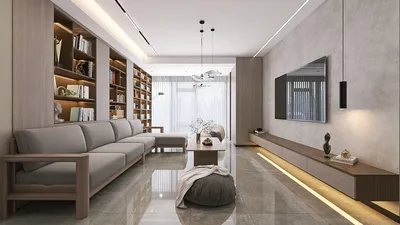


Direct Answer
Top tools to design a 14x20 living room arrangement include digital room planning software, interactive 3D layout platforms, and traditional graph paper grids. These solutions enable you to explore furniture configurations, pathways, and scale before moving bulky items physically.
In practice, combining a digital planner with precise measurements yields the most dependable layout choices.
Quick Takeaways
Introduction
Arranging a 14x20 living room might seem straightforward until you actually start shifting furniture. After numerous residential projects, I've observed homeowners spend hours repositioning sofas only to revert to their original setup.
The core challenge isn't creativity—it's a lack of spatial visualization. People often can’t grasp how furniture size, traffic flow, and focal points interact until everything is physically present.
This is why planning tools are essential. Before finalizing any arrangement, I usually sketch or digitally model the room. Even basic planners can uncover issues like obstructed walkways, oversized sofas, or televisions placed too far from seating areas.
If you want to try different furniture placements, a digital app like Homestyler that lets you preview various setups before moving anything can save substantial time and effort.
Below are the planning approaches I suggest to homeowners and design beginners working with rectangular living areas such as a 14x20 room.
save pin
Why Planning Tools Are Crucial for Living Room Layouts
Key Insight: Planning applications help identify layout flaws early—before furniture placement restricts the room's functionality.
A common misconception is that large rooms inherently accommodate any design. However, 14x20 rectangular spaces possess subtle constraints:
Without a plan, people often push furniture directly against walls or choose sofas that are too large, diminishing the room’s usability.
In multiple projects, homeowners discarded perfectly fine furniture simply because it felt "too bulky." After using layout modeling, it became clear that the problem was spatial arrangement, not furniture size.
Interior design education emphasizes drafting floor plans before styling a space. The same applies at home: systematic planning should come first.
Room Planner Apps Ideal for 14x20 Living Spaces
Key Insight: Room planner platforms are the fastest method to evaluate numerous furniture layouts within a fixed room dimension.
Digital tools allow precise recreation of room dimensions and enable dragging furniture into place. For a 14x20 living room, apps like Homestyler quickly show if a sectional, loveseat pair, or floating sofa setup works best.
Most room planners offer features such as:
If beginning your design from scratch, use tools that let you build to scale and test various furniture placements online.
From experience, focus on these three layout scenarios:
Visualizing these options helps users comprehend how much usable floor space remains.
save pin
Utilizing Graph Paper and Measurement Grids
Key Insight: Traditional graph paper remains one of the quickest ways to test room designs manually.
Many designers prefer early-stage conceptual sketches on paper because it emphasizes spatial proportions rather than decorative elements.
A simple effective method is:
This technique immediately exposes spacing problems; for instance, a standard sofa depth around 38–40 inches can crowd narrow pathways if improperly positioned.
Its limitation lies in visualization—it conveys layout logic but not the room’s dimensional feel.
3D Layout Platforms to Experiment with Furniture Placement
Key Insight: 3D visualization tools reveal spatial challenges that 2D floor plans often overlook.
When managing larger living areas, I often switch from flat layouts to 3D models, exposing factors that are easy to miss:
For example, a sectional that fits on paper might visually dominate the space when seen in three dimensions.
Applications enabling full 3D experimentation, like Homestyler, are especially valuable for assessing these spatial relationships before moving furniture.
Design professionals consider this step essential when preparing client presentations.
save pin
Measuring Furniture and Walkways Accurately
Key Insight: Most layout mistakes occur because users underestimate the clearance furniture requires for comfortable circulation.
According to the American Society of Interior Designers and similar organizations, comfortable spaces follow general spacing guidelines:
Before using any layout software, measure:
These figures allow digital tools to produce precise arrangements rather than approximate guesses.
save pin
Answer Box
The most efficient way to plan a 14x20 living room layout is by combining accurate measurements with a digital room planner like Homestyler. Virtual layout testing helps avoid costly furniture mistakes and speeds decisions remarkably.
Selecting the Ideal Planning Tool for Your Requirements
Key Insight: The optimal planning method depends on the level of detail required for your layout decisions.
Different tools cater to various stages in the process:
For most homeowners, starting with an intuitive digital planner offers a balanced mix of speed and precision.
Final Summary
FAQ
What is the best living room layout planner for a 14x20 room?
Digital planners or interactive 3D layout tools like Homestyler excel because they provide scaled accuracy and quick furniture repositioning.
Can I design a living room layout online for free?
Yes—several digital planners allow you to create scaled rooms and experiment with furniture arrangements directly in a web browser.
How much seating fits comfortably in a 14x20 living room?
Typically, one sectional or a sofa plus two armchairs fits well while preserving clear walking paths.
How can I test furniture placement before physically moving pieces?
Measure your room and furniture sizes, then recreate the floor plan using a digital planner like Homestyler or graph paper sketches.
Are 3D layout tools better than 2D planners?
2D tools are faster for drafting ideas, whereas 3D visualization aids in understanding true spatial proportions.
What is the optimal distance between a sofa and the TV?
Generally, 7 to 10 feet is recommended depending on screen size and comfort preferences.
What is the most common mistake in living room layouts?
Neglecting sufficient walking space often makes even large rooms feel cramped and inconvenient.
Can a 14x20 living room accommodate a sectional sofa?
Yes, many layouts suit medium-sized L-shaped sectionals comfortably.
References
American Society of Interior Designers – Residential Space Planning Guidelines
Architectural Graphic Standards – Recommendations for Interior Circulation
Homestyler's roots trace back to Autodesk, the global leader in design and engineering software. That heritage lives on in every feature we build. Today, with a community of more than 18 million users worldwide, Homestyler continues to make professional-quality interior design accessible to everyone — from first-time decorators to seasoned architects.
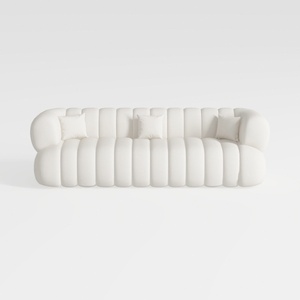
Minimalist Boucle Fabric Channel Tufted Sofa 3D Model

Modern Marble Top Rose Gold Metal Nesting Coffee Tables 3D Model

Modern Marble Top Fluted White Solid Wood Round Coffee Table 3D Model
Homestyler is an easy-to-use online home design platform offering powerful 3D rendering tools, diverse interior design projects, and helpful DIY video tutorials—ideal for bringing your creative ideas to life with confidence and style.
Projete agora para LIVRE
































