


Quick Overview
- A durable subfloor is critical for ensuring the longevity of your bathroom floor.
- If you observe sagging, signs of mold, or evidence of water damage, it is advisable to replace the subfloor.
- When installing a bathroom subfloor, using moisture-resistant materials is highly recommended.
Changing a bathroom subfloor might seem intimidating, but with the right tools and knowledge, it can become a feasible DIY task. The subfloor acts as the support for your bathroom flooring, making it essential to keep it in optimal condition. If you notice any signs of water damage, mold growth, or sagging, it may signal that a replacement is needed. The initial step involves evaluating the situation, determining the extent of damage, and gathering necessary materials such as a circular saw, pry bar, hammer, and either plywood or OSB (oriented strand board) for the new subfloor. Start by removing the current flooring—be it tile, vinyl, or laminate—to reveal the subfloor underneath. Use a pry bar for any areas that are difficult to lift, and be cautious to avoid harming surrounding areas. Once the existing flooring is taken out, examine the joists below for potential damage. If you find any issues with the joists, you might need to replace them too. Next, measure the portion of the subfloor that requires replacement and cut the new board to size with the circular saw, ensuring it fits snugly between the joists. Position the new subfloor correctly and secure it using screws, verifying that it is level and aligned with the existing surface. Once everything is set in place, you can apply your new flooring on top of the subfloor, whether that's tiles, vinyl, or another preferred material. Finally, tidy up the workspace and relish your updated bathroom! Keep in mind that a robust subfloor is the foundation of a lasting bathroom floor. If at any point you feel uncertain or uncomfortable, hiring a professional is a wise choice. Always prioritize safety when handling home improvement projects, and consider using tools and resources like Homestyler to assist in planning your renovation.
Advice 1:
Always wear protective equipment when using tools and materials to avoid injuries. Furthermore, when fitting the new subfloor, opt for moisture-resistant options, especially for bathrooms where dampness is a frequent concern.
Common Questions
Q: How can I tell if my subfloor requires replacement? A: Watch for indicators like sagging, mold, or water damage. If you observe any of these signs, it could be time for a replacement.
Q: Is it possible to replace the subfloor on my own? A: Yes, provided you possess basic handyman skills and the correct tools. However, if you're doubtful, consulting a professional is advisable.
welcome to Homestyler
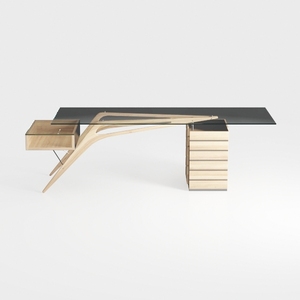
Generico Scrivania per Computer in Legno massello, Tavolo da Studio a Parete in Rovere, toletta Stretta per Ufficio Domestico, scrivania Versatile (1200x400x750 mm) - Ideale per soluzioni salvaspazio
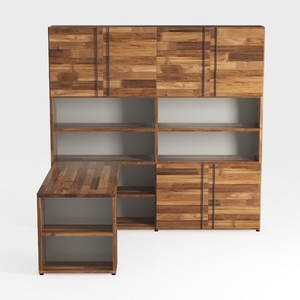
QVK L Shaped Executive Desk, Modern Corner Compute
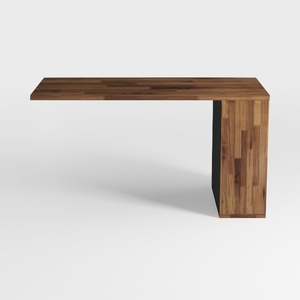
Tribesigns 63-inch Executive Desk, Vintage Home Of
Discover the ease of home design with Homestyler! This online platform offers a user-friendly design tool, stunning 3D renderings, a wealth of inspiring design projects, and helpful DIY video tutorials—perfect for transforming your vision into reality, no experience needed!
Projete agora para LIVRE
































