


Direct Answer
Metal finishes found in mid-century furniture often degrade due to exposure to oxidation, moisture, and improper cleaning methods. Tarnished brass, scratched chrome, and corroded hardware can generally be revived with gentle polishing, specialized metal cleaners, and protective coatings instead of complete replacement.
In many situations, careful cleaning and minor restoration can rejuvenate vintage metal finishes while maintaining their authentic charm.
Quick Takeaways
Introduction
Metal finishes are a distinctive feature of mid-century furniture. From the warm glow of brass drawer pulls to the shiny chrome on lamp bases, these elements impart a unique character to vintage pieces. However, based on extensive restoration experience, metal finishes tend to be the top concern for homeowners.
It’s common for owners to believe their metal hardware is beyond repair when it simply has tarnish or slight oxidation. The reality is many issues with metal finishes in mid-century furniture are reversible with the right techniques.
Understanding the aging process of these materials is crucial before starting any repair. If you're planning a comprehensive redesign of a vintage interior, visualizing the refreshed layout helps in making restoration choices. Tools like Homestyler enable designers and homeowners to simulate complete interior renovations, ensuring restored metals harmonize with the overall space.
This guide will cover typical problems seen in brass, copper, and chrome finishes and explain how to restore them safely without harming the original material.
save pin
Why Metal Finishes Decline Over Time
Key Insight: The majority of damage to vintage metal finishes stems from oxidation and environmental exposure rather than just aging.
Many assume that wear happens simply because furniture is old, but oxygen, humidity, skin oils, and harsh cleaning products are the primary causes.
During restoration projects in 1950s Los Angeles homes, I observed that pieces near kitchens or bathrooms corroded faster due to moisture and airborne grease.
Frequent causes of metal finish deterioration include:
According to the American Institute for Conservation, improper cleaning agents rank highly among causes of irreversible damage to historic metal surfaces.
How to Recognize Tarnish on Brass and Copper
Key Insight: Tarnish is a surface chemical reaction and typically can be reversed with careful cleaning.
Tarnish occurs when brass or copper interacts with oxygen and sulfur compounds in the environment, producing dull brown, greenish, or black discolorations.
Before cleaning, it’s important to confirm if the hardware is solid brass or brass-plated since aggressive polishing may strip thin plating layers.
Quick identification guide:
Safe restoration procedures:
save pin
Repairing Scratches and Surface Damage on Chrome
Key Insight: Most scratches on chrome are superficial and can be improved with polishing rather than refinishing.
Chrome was commonly utilized in mid-century lighting, chair frames, and hardware because of its shiny reflective appeal. However, chrome plating is thin and exposes dull areas when scratched.
When restoring chrome items, I follow a three-step approach: cleaning, polishing, and sealing.
Chrome restoration steps include:
For deeper abrasions:
One frequent error is excessive polishing, which can wear through the plating and cause permanent damage.
Safe Cleaning Techniques for Vintage Metal Hardware
Key Insight: Mild cleaning methods preserve vintage finishes far better than harsh modern cleaners.
Vintage metal hardware is sensitive. Many contemporary household cleaners contain chemicals such as ammonia that can irreversibly harm the plating.
Recommended cleaning approaches:
Experts often apply a "least aggressive first" principle, starting with gentle cleaning before proceeding to stronger options.
If restoring several pieces while redesigning an interior, utilizing tools like Homestyler to map furniture placements in a mid-century setting ensures restored metals coordinate aesthetically with other materials.
save pin
Answer Box
Most issues with metal finishes on mid-century furniture—like tarnish, scratches, or mild corrosion—can be effectively restored using gentle cleaners, polishing compounds, and protective coatings. Complete hardware replacement is rarely needed and may detract from the piece’s vintage authenticity.
When Restoration Is Preferable to Replacement
Key Insight: Retaining original hardware maintains design integrity and enhances resale value.
Many property owners replace hardware prematurely, overlooking the subtle design elements of original mid-century metal finishes that modern substitutes lack.
Benefits of restoration include:
In multiple vintage home restorations, polished and sealed brass hardware has become a highlight of the interior design.
Preventing Future Damage to Decorative Metal Finishes
Key Insight: Routine maintenance can significantly slow down tarnish and corrosion.
Protecting metal finishes after restoration is vital, as oxidation tends to return without ongoing care.
Effective preventative measures include:
For homeowners planning larger interior renovations, previewing how restored metals integrate with other finishes using tools such as Homestyler helps ensure cohesive design decisions before committing to materials.
save pin
Final Summary
FAQ
How should brass on mid-century furniture be cleaned?
Use gentle soap, warm water, and a soft rag. For heavier tarnish, apply a mild brass polish and buff carefully.
Is it possible to restore tarnished brass hardware?
Yes, tarnished brass can often be restored with polishing compounds or natural remedies like lemon juice and baking soda.
What causes corrosion on vintage metal furniture?
The primary causes include moisture, airborne pollutants, and natural oils from handling.
How do I fix scratched chrome finishes on furniture?
Start with cleaning the surface, then use chrome polish or very fine steel wool along with lubricant to reduce light scratches.
Should damaged mid-century hardware be replaced?
Replacement is rarely necessary; restoring original hardware typically maintains visual appeal and historical worth.
Is using vinegar on brass safe?
Vinegar can remove tarnish but should be diluted and used sparingly to avoid damaging protective layers.
How frequently should metal accents be maintained?
Light cleaning every few weeks alongside occasional polishing usually prevents serious deterioration.
Can chrome lighting from the 1960s be restored?
Yes, most chrome fixtures from the mid-century era can be brought back through careful cleaning and polishing unless the plating is worn away.
References
American Institute for Conservation – Metal Object Care Guidelines
National Park Service Preservation Briefs – Metal Cleaning and Repair
Smithsonian Museum Conservation Institute – Metals Preservation Techniques
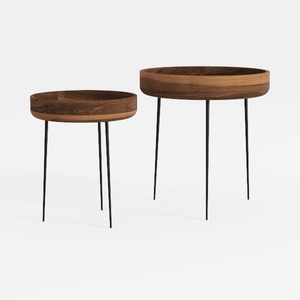

Modern Walnut Solid Wood Metal Leg Nesting Side Tables 3D Model
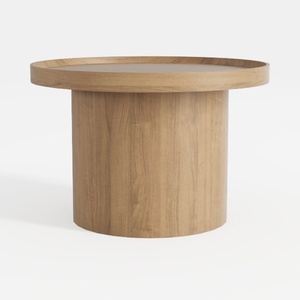
Minimalist Solid Oak Round Coffee Table 3D Model
Homestyler is a user-friendly online home design platform offering powerful 3D rendering tools, a vast collection of design projects, and helpful DIY video tutorials. It makes creating and visualizing your perfect space easy and inspiring for everyone.
Projete agora para LIVRE
































