Embarking on the journey of starting an interior design business can be an exciting experience brimming with creativity and potential. However, it is crucial to approach this path with a carefully crafted plan and the right tools. At the outset, having a solid grounding in design principles and trends is essential. This knowledge can stem from formal education or self-directed learning. Familiarity with color theory, spatial dynamics, and various furniture styles will equip you with the expertise necessary to craft harmonious and visually appealing environments.
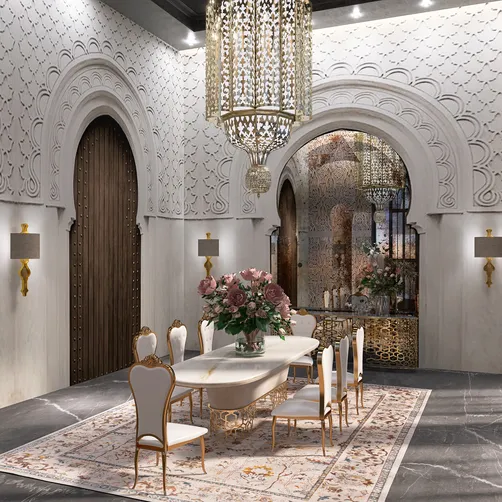
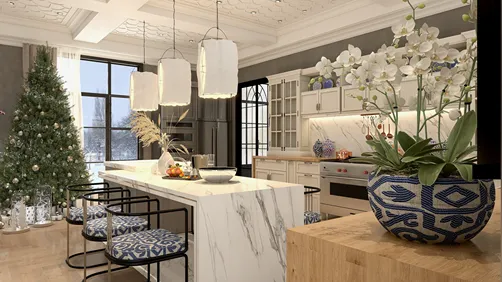
Building a compelling portfolio is another vital step in this process. Your portfolio could consist of personal projects, internships, or volunteer work that highlight your unique style and skills to potential clients, establishing your brand identity. Additionally, investing time in developing a professional website to present high-quality images of your work, along with client testimonials, can greatly enhance your visibility.
Networking plays a crucial role in launching your interior design business. Engage in industry events, join design associations, and network with fellow professionals. Forming relationships with contractors, real estate agents, and suppliers can lead to valuable referrals and collaborative opportunities that can elevate your business. Using social media platforms effectively allows you to showcase your designs and engage with a wider audience, with Instagram and Pinterest being especially potent for visual narratives in the design sector.
While creativity is paramount, it is equally important not to neglect the business aspect of your venture. Create a comprehensive business plan that outlines your services, pricing strategies, target clientele, and marketing tactics. Be sure to investigate any legal prerequisites for launching a business in your area, such as licenses and permits. It may also be beneficial to consult a financial advisor or accountant to ensure you have a solid financial plan.
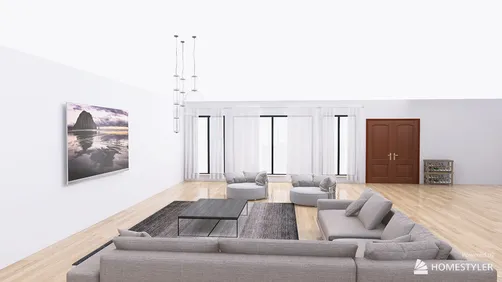
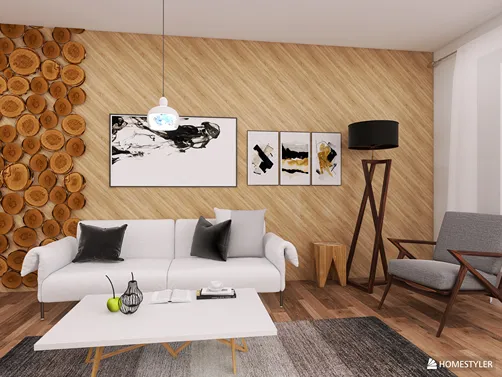
Investing in quality design software can streamline your workflow significantly. Tools like Homestyler offer an extensive library of furniture models and design ideas, enabling you to produce impressive 3D visualizations that capture your client’s attention. Its intuitive interface allows you to efficiently create floor plans and high-quality renderings, simplifying the process of conveying your design vision.
Finally, remain receptive to feedback and continuously strive to enhance your skills. The interior design industry is constantly evolving, and staying current with trends and technology will enrich your service offerings. Consider furthering your expertise through additional courses or workshops. Remember, achieving success in interior design requires not only a keen aesthetic sense but also a deep understanding of your clients' needs and providing exceptional service.
Tips 1:
Think about concentrating on a niche market to stand out from your competitors. Specializing in areas like sustainable design, home staging, or commercial spaces can help differentiate your services.
FAQ
Q: How much capital is required to kickstart an interior design business? A: Startup expenses can vary significantly based on your location, the services you provide, and your marketing approaches. It is vital to establish a budget and plan carefully. Q: Is a license necessary to become an interior designer? A: Licensing criteria differ by state or country, so it's important to investigate local regulations to determine if a specific license or certification is required.
Welcome to Homestyler!