

Direct Answer
Before applying wallpaper, it’s crucial to assess wall moisture using a moisture meter to ensure levels are within safe ranges—typically below 12% for drywall and under 15% for plaster. Additionally, check for visual indicators like staining, bubbling paint, or musty odors. Ignoring moisture issues can cause wallpaper adhesive to fail, resulting in peeling or mold.
Quick Takeaways
Introduction
Through numerous renovation experiences, I've realized the primary cause of wallpaper failure isn’t the material itself but the condition of the wall beneath. Checking wall moisture is a frequently neglected preparation step in home design. While homeowners often concentrate on wallpaper patterns, adhesives, or installation methods, hidden moisture can silently ruin a perfectly installed wall covering within a few months.
In multiple projects along the California coast, walls that appeared dry still showed elevated moisture readings on testing. Wallpaper started peeling within a year because drywall absorbed humidity from inadequately ventilated bathrooms and kitchens.
Before designing layouts or choosing wallpaper designs, I suggest first mapping the room and identifying areas prone to high moisture. If you're arranging the interior setup, platforms like Homestyler can assist in visualizing furniture placement and wall treatments, helping pinpoint which walls are suitable for wallpaper versus paint.
This guide outlines how to uncover concealed moisture, accurately measure wall dampness, and verify wall readiness for wallpaper installation.
save pin
Why Moisture Testing Matters Before Wallpaper Installation
Key Insight: The success of wallpaper adhesion hinges more on dry walls than on the adhesive’s strength.
Wallpaper adhesives are water-based, meaning applying them over moist walls prevents proper curing. Instead of bonding securely, the adhesive stays soft and slowly detaches from the surface.
Based on my experience, moisture-related issues generally become evident within 3 to 6 months post-installation. Common symptoms include:
The Wallcoverings Association emphasizes that preparing walls—especially moisture control—is the most critical factor influencing wallpaper longevity. Neglecting moisture testing frequently results in the need for complete replacement rather than minor fixes.
The hidden expenses can be substantial: removing damaged wallpaper often entails additional repairs, repainting, and a full reinstall—potentially doubling the initial budget.
Common Sources of Hidden Wall Moisture
Key Insight: Most moisture problems arise from building system failures rather than surface condensation.
Walls may harbor moisture long before visible signs emerge. On several apartment renovations I've managed, drywall seemed dry on the surface but showed high moisture readings due to humidity moving through plumbing cavities.
Typical moisture origins include:
Exterior walls require particular attention. According to the U.S. Department of Energy, poorly insulated walls can trap condensation inside drywall layers during seasonal changes.
A frequently overlooked problem is newly patched or skim-coated walls that look dry while interior layers retain moisture for days or even weeks.
Tools for Measuring Wall Dampness
Key Insight: Moisture meters are the only dependable instruments for detecting hidden dampness behind painted walls.
Professionals primarily use two moisture meters for assessments.
1. Pin-Type Moisture Meter
2. Pinless Moisture Meter
I typically take measurements in several spots across a wall:
Plotting these results helps reveal moisture distribution patterns otherwise invisible. When designing decorative walls or accent features, many designers utilize visualization tools like Homestyler to experiment with interior finishes and layouts before installation.
save pin
Acceptable Moisture Levels for Wallpaper Installation
Key Insight: Safe wallpaper application generally requires drywall moisture to be below 12%.
Though exact limits vary by material type, these ranges are widely accepted in construction and finishing sectors:
If moisture surpasses these thresholds, wallpaper should not be installed until the wall dries out properly.
Many guidelines overlook that moisture can vary within one wall. One area might register 8%, while another hits 16%. Applying wallpaper on both will likely cause adhesion issues and visible bubbling.
For larger rooms, I recommend creating a moisture map and logging measurements across different areas.
save pin
Answer Box
Walls require adequate dryness before wallpaper installation. In most homes, drywall moisture should remain below 12%. Testing multiple points with a moisture meter is the most trustworthy method to confirm suitable conditions.
Fixing Damp Problems Before Applying Wallpaper
Key Insight: Addressing moisture issues at the root is essential—surface treatments alone seldom resolve dampness.
Applying primer or stronger adhesives won’t compensate for wet walls. It is critical to eliminate the underlying source of moisture.
Effective measures include:
After the wall reaches safe dryness levels, using a premium wallpaper primer ensures a solid base for adhesion.
When Professional Moisture Inspection Is Necessary
Key Insight: Persistent or unclear moisture readings may indicate concealed structural problems.
If moisture remains high despite drying efforts, a specialized inspection should be conducted. Experts deploy thermal imaging and deep moisture sensors to identify leaks behind walls.
Situations warranting professional evaluation include:
Before investing in high-cost decorative finishes, many homeowners employ full-room visualization tools such as Homestyler to preview realistic wall treatments. This aids in deciding which walls deserve upgrades after moisture issues are fully addressed.
save pin
Final Summary
FAQ
How do you check wall moisture before wallpaper?
Use a digital moisture meter to test multiple wall spots. Readings below 12% for drywall typically indicate safe wallpaper application.
What is the acceptable wall moisture level for wallpaper?
Experts generally recommend drywall moisture under 12% and plaster below 15% before wallpaper installation.
Can wallpaper be installed on slightly damp walls?
No. Even minor dampness undermines adhesive effectiveness, causing bubbling, mold, or peeling.
How long should walls dry before wallpaper installation?
Fresh drywall compound or plaster usually needs 24–72 hours to dry. Moisture meter readings must confirm safe dryness.
Do painted walls still need moisture testing?
Yes. Paint traps moisture within drywall layers, so visual checks alone are unreliable.
What tool detects moisture in interior walls?
Pin-type or pinless moisture meters are the most effective instruments for detecting hidden wall dampness.
Why does wallpaper peel even with strong adhesive?
Peeling typically happens when underlying wall moisture prevents adhesive from properly curing.
Should bathrooms always be tested before wallpaper installation?
Absolutely. Due to higher humidity and plumbing risks, bathrooms require thorough moisture inspections.
References
Built on technology originally developed at Autodesk, Homestyler empowers anyone to design beautiful, realistic spaces in minutes. Join over 18 million users who have already discovered a smarter way to plan, visualize, and bring their dream homes to life — all from the comfort of a browser.

Modern Walnut Glass Top Triangle Coffee Table 3D Model
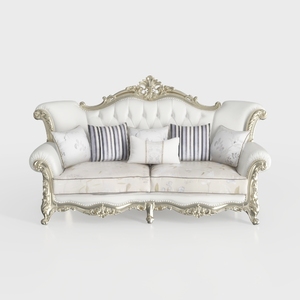
Baroque Luxury White Leather Fabric Wingback Sofa 3D Model

Modern White Fabric Curved Sectional Sofa With Decorative Throw Pillows 3D Model
Homestyler offers an easy-to-use online home design tool with stunning 3D renderings, inspiring design projects, and helpful DIY video tutorials. It’s perfect for turning your interior decoration ideas into reality quickly and creatively. Give your home a fresh, personalized look with Homestyler!
Projete agora para LIVRE
































