


Transforming a 3D sketch into an actual model is an essential skill for designers and innovators aiming to realize their ideas. Whether your focus is on architectural projects or product designs, the ability to effectively convert sketches into tangible models is vital. In this guide, we will examine the steps necessary to bring your 3D ideas to life!
Grasping the Fundamentals of 3D Modeling:
Before immersing yourself in the modeling journey, it’s crucial to familiarize yourself with the various 3D modeling techniques available. From CAD (Computer-Aided Design) to artistic sculpting software, each approach presents unique benefits. Do you prefer handling precise measurements, or are you drawn to creative sculpting? Knowing your inclination will inform your strategy.
After selecting your modeling technique, the subsequent step involves choosing the appropriate software that meets your requirements. Popular choices include Blender, SketchUp, and Homestyler, among others. Have you had any experiences with these applications before? Which one resonates with your workflow the most?
Steps to Transform Your 3D Sketch into a Model:
1. **Import Your Sketch:** Initiate the process by scanning or digitally reproducing your 3D sketch in your chosen software. This step often involves uploading an image or utilizing a direct rendering feature.
2. **Establish Basic Geometry:** Refer to your sketch as a foundational layer. Commence the modeling process by defining the basic shapes that are integral to your design. Ensure that proportions and dimensions correlate with your original sketch—this is merely the beginning!
3. **Enhance Your Model:** Once the geometry is set, it’s time to enhance your model. Smooth edges, enrich details, and make necessary tweaks. This phase is where your creativity can truly flourish—think about how you can elevate your design.
4. **Applying Textures and Colors:** After achieving the desired shape for your model, introduce textures and colors to infuse life into it. Experiment with different materials to observe how they alter the overall aesthetic of your design.
5. **Final Adjustments and Export:** Upon completion of your model, remember to add final enhancements, like lighting effects. When you are content with the results, export your model in the desired format for printing or digital use. What format suits your workflow best?
Strategies for Effective Modeling:
Leverage online resources, such as tutorials and forums, to deepen your mastery of the software you have chosen. Are you part of any online groups focused on 3D modeling? Engaging in these communities can significantly advance your skills through sharing and receiving insights.
Continual practice is key! The more you engage in modeling, the more adept you’ll become at turning your visions into 3D designs.
Frequently Asked Questions
Q: Which software is best for converting 3D sketches into models? A: Popular software choices include Blender for artistic modeling, SketchUp for architectural endeavors, and Homestyler for interior design projects. Select one that aligns with your project goals.
Q: Is it possible to 3D print my model after creation? A: Absolutely! Just ensure that your model is in the correct format, such as STL, and conforms to the 3D printing specifications to ensure optimal results.
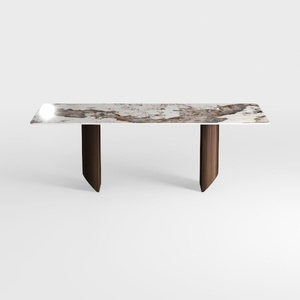

Homestyler is your go-to online home design platform, perfect for bringing your creative visions to life. With its user-friendly design tool, impressive 3D rendering, a plethora of design projects, and engaging DIY tutorials, transforming your space has never been easier or more enjoyable!
Projete agora para LIVRE
































