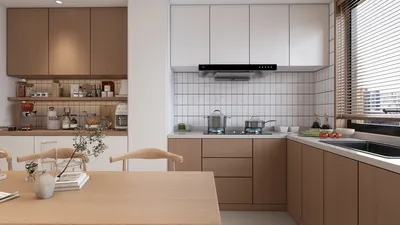


Direct Answer
A free interior design PDF handbook offers significant value when utilized as an active tool during actual room planning rather than merely read passively. By evaluating a space, implementing layout guidelines, experimenting with color and lighting, and recording outcomes, you can transform handbook knowledge into actionable interior design choices.
The essential step is converting each concept into a systematic process: observe the space, design the layout, test various options, and refine through iteration.
Quick Takeaways
Introduction
Many individuals download a free interior design PDF handbook hoping it will instantly teach them how to create stunning interiors. After over a decade of working on residential projects, I've realized that the main obstacle isn’t the lack of information. Most handbooks comprehensively cover layout fundamentals, color theory, lighting layers, and furniture arrangement.
The real challenge lies in applying those principles to actual rooms.
Beginners often treat the handbook like a textbook, reading it cover to cover. In contrast, seasoned designers rarely do this. Instead, they refer to guides like this one alongside hands-on room analysis, sketching layouts, or testing furniture placement.
If you're designing a living room, bedroom, or studio apartment, the most efficient method is to use the handbook alongside an intuitive digital planning tool. Many clients begin by drafting rough layouts using platforms such as Homestyler, which allow them to visually experiment with furniture placement, making handbook concepts immediately tangible.
When you shift from viewing the handbook as just reading material to treating it like a practical checklist, the theoretical knowledge starts to inform actual design decisions.
This guide demonstrates how professionals implement handbook principles during real interior design projects—from room analysis to layout testing and documenting improvements.
Turning Interior Design Theory Into Practical Application
Key Insight: Interior design theory becomes truly valuable only when each principle is connected to an actual decision within a space.
A common misconception among beginners is expecting theory to produce a flawless design instantly. In truth, theory helps narrow down your options.
Most handbooks outline three core principles, but in practice, these become specific questions such as:
In one Los Angeles apartment project, the client wanted the sofa facing the window. According to handbook rules, this disrupted the room’s visual hierarchy since the fireplace should be the focal point. By rotating the seating to focus on the main wall, the space immediately felt more purposeful.
Handbooks set the guidelines, but the room itself defines the context.
Analyzing a Room Using Handbook Principles
Key Insight: Properly analyzing a room uncovers limitations before attempting any design solutions.
Professional designers start all projects with thorough analysis prior to decoration or styling. Handbook principles steer what aspects to examine.
Here is a typical evaluation framework I use.
Room Analysis Checklist
The American Society of Interior Designers recommends circulation paths of about 30–36 inches in residential interiors. Many handbooks reference similar standards since poor circulation is a frequent layout error.
Visualizing these constraints makes the handbook’s theory much more practical.
Step-by-Step Method to Plan a Small Interior Project
Key Insight: A consistent workflow turns theoretical knowledge into predictable design outcomes.
When guiding junior designers, I suggest a straightforward five-step process to apply handbook concepts effectively.
Step-by-Step Interior Design Workflow
To rapidly test various layouts, leveraging a 3D room planning platform like Homestyler makes the process far simpler. Visualizing furniture scale and placement in context helps uncover issues that flat sketches might miss.
Using Color, Lighting, and Layout Guidelines in Real Spaces
Key Insight: Color, lighting, and spatial arrangement must be considered collectively because each influences the others.
Though often taught separately in handbooks, these elements interact continuously in real projects.
Consider their interrelation carefully:
A surprising insight many novices overlook is that adding more lighting fixtures doesn’t automatically improve a space. What truly matters is layered lighting.
Most professional designs integrate:
This layered lighting approach, endorsed by the Illuminating Engineering Society and featured in nearly every reputable design handbook, enhances depth and visual comfort dramatically.
Answer Box
The best way to utilize a free interior design PDF handbook is by applying each principle during the analysis of a real room layout. Designers convert theory into measurable factors, test different layouts and lighting, and iteratively refine their designs.
Reading is helpful, but integrating design practice alongside the handbook is what cultivates real skill.
Documenting Your Interior Design Practice Projects
Key Insight: Keeping records of small practice projects accelerates intuition more effectively than passive reading.
Professional studios habitually document every stage—floor plans, material choices, lighting tests, and outcomes.
You can create a similar system by simply recording your own work.
What to Record for Each Practice Project
Over time, this collection becomes your personal interior design reference library.
Improving Results With Iterative Design Testing
Key Insight: The most successful interior designs typically emerge after multiple trials rather than a single attempt.
A lesser-known fact is that initial layouts rarely represent the best solution.
Experienced designers evaluate several arrangements before finalizing a room. Iteration exposes problems like:
When practicing handbook principles, rebuilding the same room using at least three distinct layouts is beneficial. Tools that provide fast visualization—such as AI-assisted platforms or Homestyler—can greatly speed this experimentation phase.
The objective is not perfection but pattern recognition. After enough attempts, intuitive decisions emerge even before moving furniture.
Final Summary
FAQ
How can I apply interior design principles at home?
Begin by measuring your room, identifying its focal point, and testing different furniture arrangements. Follow handbook spacing recommendations to maintain comfortable flow and balanced proportions.
Can beginners effectively use an interior design handbook for real projects?
Absolutely. When used as an active reference during layout planning instead of passive reading, a free interior design PDF handbook is well-suited for beginners.
What is the first step in designing a room?
Start by analyzing the room’s dimensions, lighting conditions, and circulation paths. These constraints inform subsequent design choices.
How do designers test room layouts?
Designers typically create multiple layout options using floor plans or digital tools, then assess factors such as circulation, focal points, and furniture scale.
What is an easy interior design project for beginners?
Compact spaces like bedrooms, home offices, or studio apartments are ideal for novices due to fewer layout variables.
How can I practice interior design without clients?
Practice by redesigning your own living areas or those of friends. Measure, sketch furniture arrangements, test color schemes, and compare outcomes.
Is a free interior design PDF handbook sufficient to learn design?
While it provides solid theoretical guidance, true progress depends on applying handbook principles to actual room layouts and design experiments.
How many layout options should I test for a room?
Exploring at least three different layouts usually reveals the most functional and aesthetically pleasing configuration.
References

Black Stainless Steel Espresso Coffee Machine 3D Model
Modern Two Tone Solid Wood End Table With Ornate White Frame 3D Model
Homestyler offers an easy-to-use online home design tool complete with stunning 3D renderings, a vast collection of design projects, and helpful DIY video tutorials. It’s perfect for anyone looking to create and visualize beautiful interior spaces effortlessly.
Projete agora para LIVRE
































