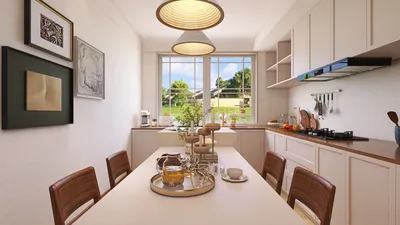


Enhancing the charm and durability of your painted furniture is often best achieved with the use of wax. Applying wax not only gives your pieces a stunning shine but also creates a protective layer that helps fend off scratches and wear over time. Regardless of whether you're using chalk paint, milk paint, or any other paint variety, waxing is an essential step toward achieving that professional look you aim for. This guide will discuss the advantages of utilizing wax on painted furniture, the various types of wax available, and effective application techniques to ensure optimal outcomes. The first aspect to grasp about waxing is its numerous benefits. Wax provides a soft and resilient finish that enriches the color and depth of the painted surfaces. It hardens when dried, withstanding daily usage while maintaining its aesthetic appeal. Moreover, wax is straightforward to apply and can be easily touched up, making it a practical option for both DIY enthusiasts and furniture restoration professionals alike. There are generally two primary wax types: clear and colored. Clear wax is commonly used to offer a protective coat without changing the paint color beneath it. This is ideal for those wishing to keep their furniture in its original style. Conversely, colored wax can contribute additional depth and richness to your painted items. For example, applying a dark wax over lighter shades can create a vintage appearance, while a white wax can brighten the overall look, introducing a contemporary feel. Understanding the types of wax sets the foundation, but how does one apply it? First and foremost, ensure that your painted furniture is clean and fully cured. If you have just completed painting, it is advisable to wait at least 24 hours before proceeding to wax. Utilize a clean, lint-free cloth or a wax application brush to spread a thin layer of wax over small areas, using circular motions. Ensure even coverage, paying close attention to edges and corners. After applying, let the wax rest for a few minutes to penetrate the paint. Then, buff the surface with a clean cloth in gentle circular motions. This is a crucial step, as it develops that sought-after sheen and ensures even distribution of the wax. Depending on your desired finish, you may choose to repeat the waxing process to layer additional protection. A common inquiry regarding wax usage on painted furniture is the frequency of reapplication. This can depend on how much wear your furniture endures, but a practical guideline is to reapply wax every 6 to 12 months, depending on usage. If the finish begins to appear dull or the surface feels rough, it’s an indication that it’s time for an additional layer of wax. If you're hesitant about waxing your furniture, it’s wise to perform a test on a small, inconspicuous spot first. This will help you gauge how the wax interacts with the paint and allows for any necessary adjustments. Keep in mind that enhancing the beauty of your furniture while ensuring its protection is the ultimate goal, so take your time and relish the process! By this point, you should have a solid understanding of the waxing method for painted furniture. It’s a simple yet powerful approach to upgrade your DIY projects and keep your pieces looking pristine for years. Happy waxing!
Tips 1:
Be sure to work in a well-ventilated area while applying wax to prevent inhaling any fumes. If you opt for colored wax, it's advisable to practice on scrap wood or a hidden section before applying it to your actual furniture, to master the technique.
FAQ
Q: Can I apply wax to furniture painted with latex paint? A: Absolutely, but it’s best to wait until the paint has fully cured, which generally takes around 30 days.
Q: What should I do if I apply too much wax inadvertently? A: Don't panic! Simply take a clean cloth and buff away the excess wax until the desired finish is reached.
Q: Is it safe to use wax on children’s furniture? A: Yes, most furniture waxes are non-toxic and safe for children’s furniture, but you should always verify the product label for specific safety details.
welcome to Homestyler
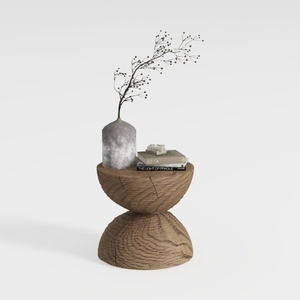

Modern Rattan Fabric Outdoor Sectional Sofa with Coffee Table 3D Model
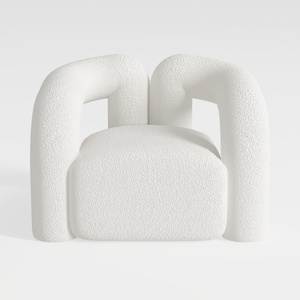
Minimalist Boucle Fabric Armchair Modern Unique Design 3D Model
Discover the ease of home design with Homestyler! This intuitive online platform offers powerful design tools, stunning 3D renderings, and a wealth of DIY video tutorials. Whether you're a beginner or a seasoned designer, you'll find endless inspiration to bring your vision to life effortlessly!
Projete agora para LIVRE
































