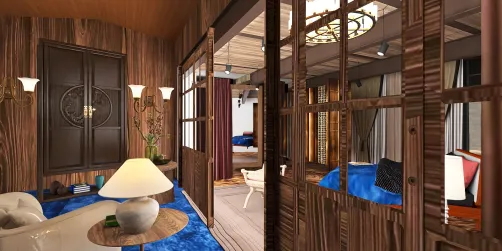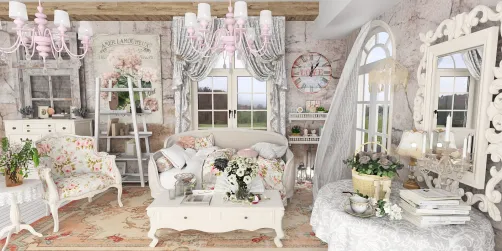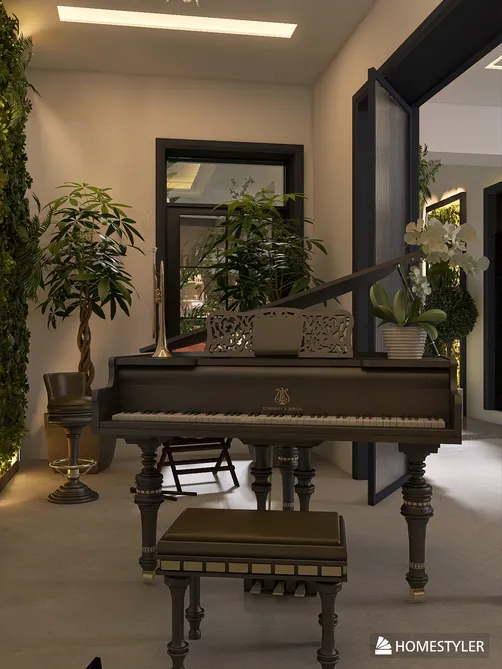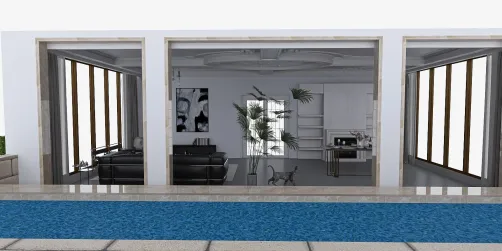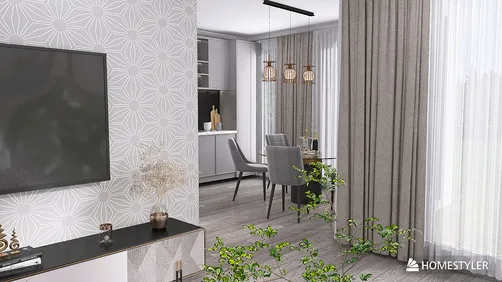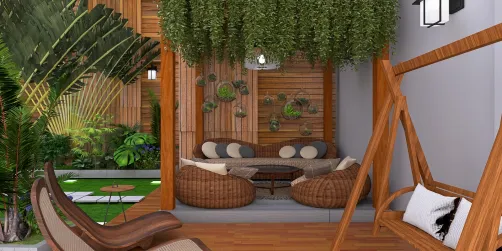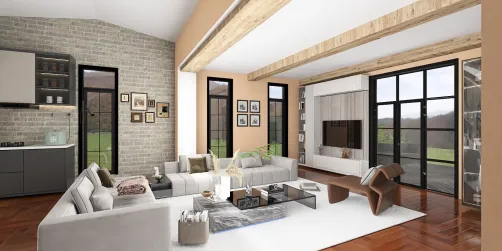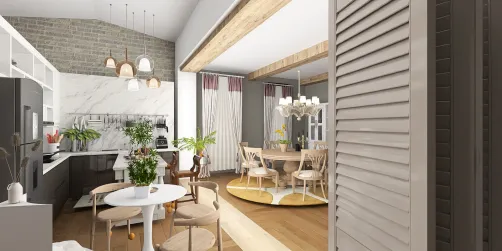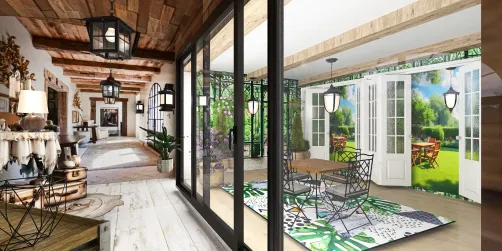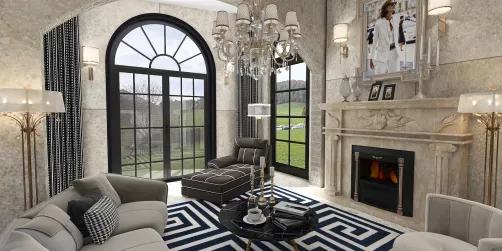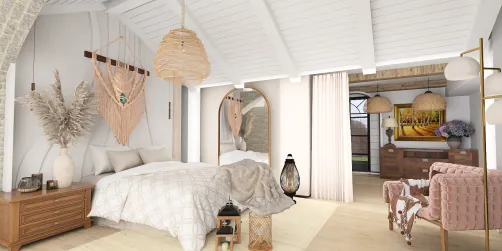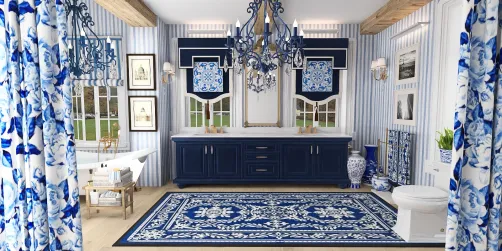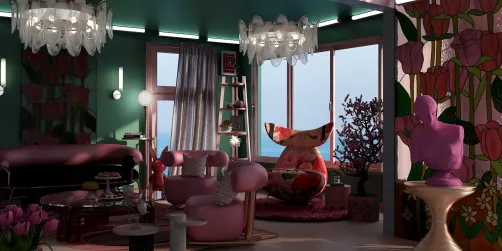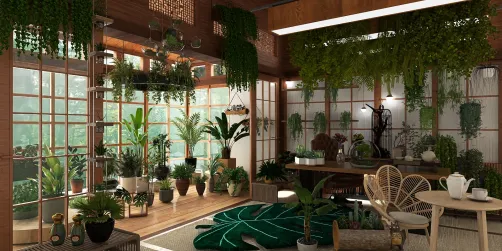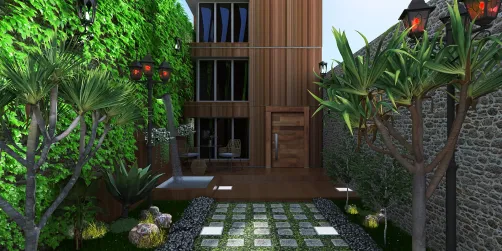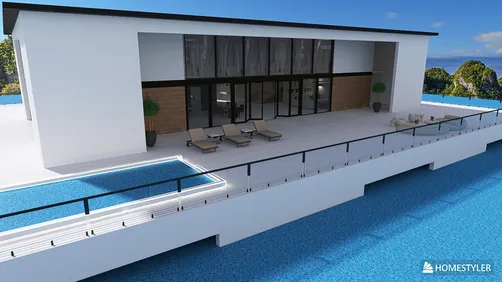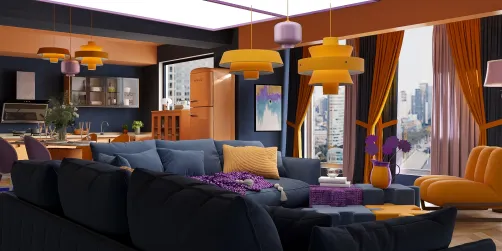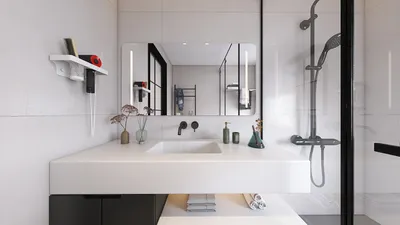
As the future approaches, contemporary leases still grapple with outdated challenges such as inflexible layouts, minimal storage options, and poorly lit hallways. Data from the industry highlights that the quality of floor plans significantly influences rental decisions: Zillow indicates that clarity in layout is a key factor for tenants when searching online. Therefore, when I examine the floor plans of Woodbridge Apartments in Bloomington, I envision each layout as a blueprint for the daily activities that will unfold within those walls, serving as a toolkit for spatial reasoning, enhanced by tools like Homestyler.
Linear One-Bedroom Design
Design Concept: A streamlined pathway from the entrance to the window enables a seamless organization of life, resembling a forward-thinking system—private spaces are grouped together while common areas are bathed in light.
Flow: The progression flows from Entry → Kitchen area → Living space → Bedroom → Bathroom; streamlined connections decrease decision-making time.
Sightlines: The main axis directs attention toward the longest wall; a partial view of the kitchen ensures usability while minimizing visual distractions.
Storage: A closet in the hallway along with a wardrobe beside the bed creates a continuous storage area; with 24–30 inches in depth and full height, supplemented by a bench-drawer at the entryway.
Furniture Placement: An 84-inch sofa, a compact 30×48 dining table, and a centered queen bed with 24-inch clearances—dimensions that maintain flow without hindering movement.
Conclusion: This layout is optimized for a flexible lifestyle—ideal for work calls by the window and intimate dinners, remaining functional for five years as daily habits evolve.
Save pinOpen in 3D Planner Processing...
Split Two-Bedroom Suite with Central Core
Design Concept: Two bedrooms surrounding a shared living and kitchen space function like mirrored elements, striking a balance between privacy and communal living for roommates or couples.
Flow: Two separate entrances lead from each suite to the kitchen island, which then branches out to a balcony or media wall—parallel paths reduce congestion.
Sightlines: The island design maintains an open perspective; strategic door placements redirect views away from bedrooms to uphold a sense of hierarchy.
Storage: Each suite features a 6–8 linear-foot closet; additionally, the shared core introduces a pantry tower and utility storage—organized spaces minimize daily hassle.
Furniture Placement: Two desks positioned near the windows, a 96-inch sectional sofa, and a dining setup for four—dimensions align with circulation requirements without obstructing movement.
Conclusion: This design exemplifies future roommate cooperation: independent sleeping areas paired with a shared hub—adaptive to varying schedules and individual habits.
Save pinOpen in 3D Planner Processing...
Studio with Diagonal Layout
Design Concept: A diagonal line from the entrance to the window expands the perceived space, transforming a compact layout into an active environment suitable for solo living.
Flow: Entry → storage wall → angled sofa → bed alcove → kitchenette; the diagonal layout serves as a navigational guide, facilitating a smooth flow.
Sightlines: The angle prevents direct exposure to the bed; layered views prioritize natural light as the main focus, with secondary work areas clearly defined.
Storage: A full-height 18-inch deep wall system, under-bed drawers, and a 12-inch pantry—compact storage options that allow for quick access.
Furniture Placement: A 72-inch loveseat set diagonally, a folding table measuring 24×36, and a full bed with 18-inch side clearances—meticulously designed for spatial efficiency.
Conclusion: This studio maximizes its size perception, ideal for streaming, quiet focus, and rapid transformations between activities.
Save pinOpen in 3D Planner Processing...
Final Insights
The floor plans of Woodbridge Apartments in Bloomington transcend mere blueprints; they encapsulate the daily rhythms of light, privacy, and organization. Variations—such as the one-bedroom layout, split two-bedroom cores, and diagonal studios—illustrate how these designs adapt to evolving lifestyles and hybrid work dynamics. In my experience, the most innovative homes of the future will not necessarily be more spacious—but rather more intentional. Through tools like Homestyler, I consistently observe that thoughtful spatial choices subtly redefine how individuals inhabit their environments.

Homestyler is your go-to online home design platform! With its user-friendly design tool, stunning 3D renderings, and a wealth of inspiring design projects and DIY video tutorials, you can effortlessly create and visualize your dream space—whether you're a beginner or an expert!