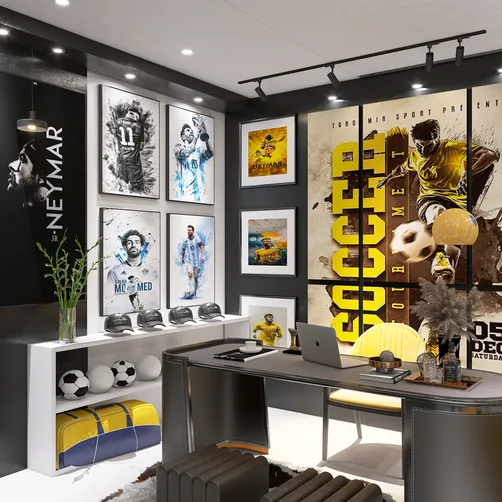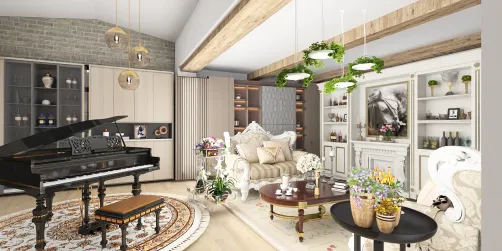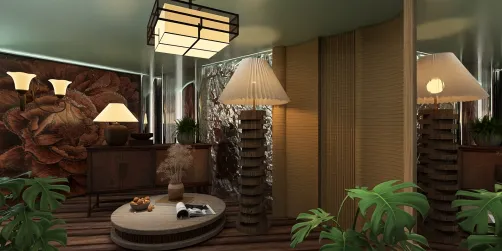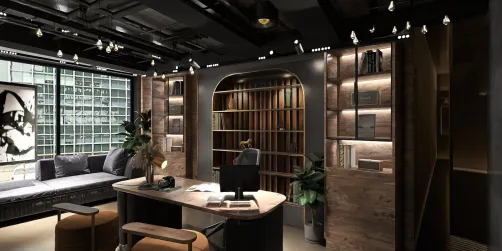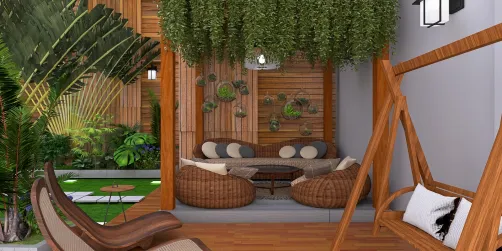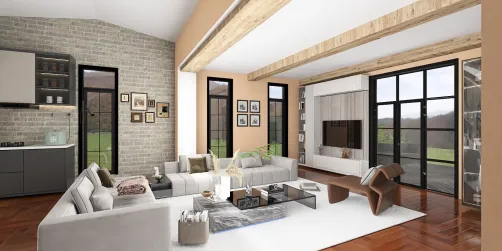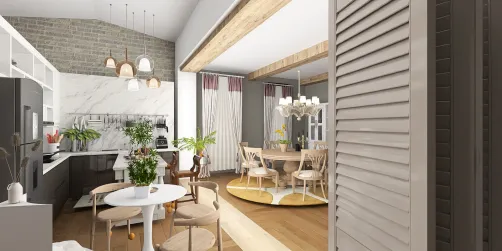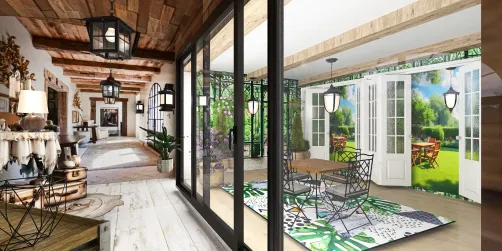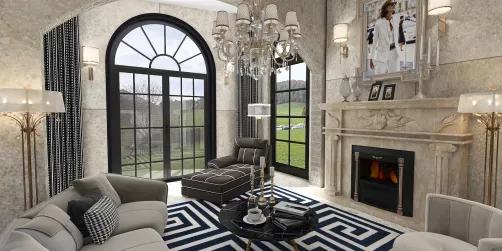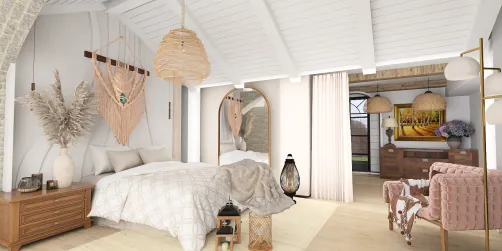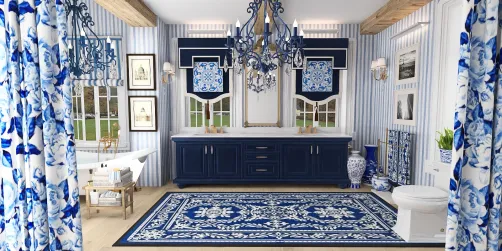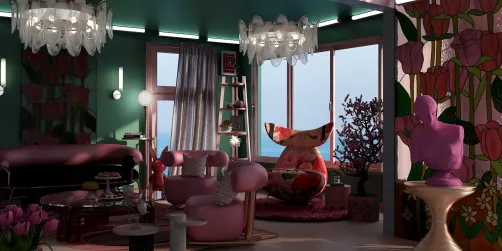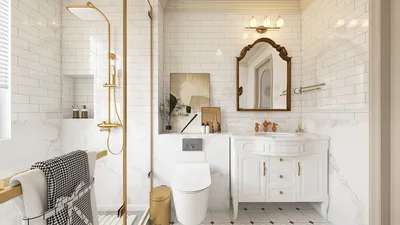
The lifestyle of the future is increasingly leaning towards flexibility, yet many homes today are hindered by issues such as noise, inadequate storage, and disjointed routines. In this context, I analyzed a 2-BHK layout that reflects emerging living habits. My decisions are guided by a spatial reasoning toolkit informed by the American Institute of Architects (AIA), which has noted a steady demand for adaptable multigenerational configurations. This expectation is echoed by my clients on a daily basis. Here, the 2-BHK design serves as a platform that preempts the blending of work and living spaces and integrates micro-rituals without unnecessarily expanding the overall area.
Split-Core Axis with Pocket Study
Design Logic: Two bedrooms are positioned alongside a central spine that includes the living, dining, and galley areas, with a compact study created as a pocket space. The evolving needs for work and children's education necessitate a quiet area that allows for adequate daylight.
Flow: Entryway → coat storage → living area view → study nook → galley → balcony; bedrooms branch off resembling threads that feed into the core life flow.
Sightlines: From the entry, a long axial view extends to the balcony light; peripheral views protect the bedrooms as lower-priority tabs, while the study remains partially visible for casual supervision.
Storage: The corridor wall serves as deep storage with 16–18 inch built-in units; bed platforms include drawer arrays; and the kitchen features a tall pantry to efficiently manage bulk needs.
Furniture Fit: Sofa measuring 84" with 36" wide lanes; dining drop-leaf table at 30"×60"; study desk at 48"×24"; beds are queen/full size to accommodate door swing requirements.
Verdict: A well-organized axis maintains stable functionality, allowing hybrid routines to evolve over five years without compromising space efficiency.
save pinOpen in 3D Planner Processing...
Diagonal Living Field with Corner Kitchen
Design Logic: Rotate the living space by 15° to optimize natural light, placing the kitchen in the sunniest corner; as energy costs rise, maximizing daylight becomes essential.
Flow: Entryway → angled lounge area → corner kitchen → balcony → cluster of bedrooms → bathroom; movement flows in sync with light, akin to a rendering pipeline.
Sightlines: The diagonal layout creates layered views: from the sofa to the window to the sky; the kitchen maintains partial visibility for social interaction while concealing mess.
Storage: An angled media wall incorporates recessed niches; a kitchen in an L-shape with a full-height appliance tower; a linen closet between bathrooms functions as a shared buffer.
Furniture Fit: The sectional sofa measures 95" at an angle; a round table with a diameter of 42" balances the geometry; wardrobes are 24" deep with sliding doors to maintain pathways.
Verdict: The diagonal layout serves as a user interface that prioritizes natural light and social interaction; the space appears larger without increasing square footage.
save pinOpen in 3D Planner Processing...
Split Bath + Flex Bedroom (Guest/Studio)
Design Logic: A full bath is positioned next to the primary bedroom, while a three-quarter bath is conveniently located near the entry; the second bedroom is adaptable as a flex studio, featuring an acoustic door to cater to the needs of guests, teenagers, or remote work.
Flow: Entry → quick-access guest bath → flex studio → living core; a private pathway to the primary suite maintains calm and hierarchy.
Sightlines: The flex room boasts controlled sightlines with clerestory or glazed bands to receive light while ensuring privacy, similar to managing permission levels.
Storage: The studio features a wall of 12" deep shelves; under-sofa storage; and the primary walk-in closet includes double hang rails and bin organizers to handle wardrobe fluctuations.
Furniture Fit: A queen Murphy bed in the flex room (with an 80" clearance for drop); a mobile desk; the primary suite includes 24" nightstands with 36" wide circulation space.
Verdict: This modular design adapts to life changes—whether accommodating guests, startups, or newborns—ensuring that the living space remains responsive as lifestyles change.
save pinOpen in 3D Planner Processing...
Final Takeaway
Viewing a 2-BHK floor plan as an operational framework reveals that elements such as light, movement, and storage function like low-latency infrastructure. Variants like two-bedroom apartment designs and compact family units demonstrate that precision is more crucial than sheer size. Long-term needs—like multigenerational living and dedicated remote work zones—integrate seamlessly when furniture and storage solutions align with the design’s parameters. In my view, the most innovative homes of the future won't necessarily be larger but more purposeful, especially with tools like Homestyler at our disposal to visualize these transformations effectively.

Homestyler is your go-to online home design platform, offering a user-friendly design tool that makes creating your dream space a breeze. Enjoy stunning 3D renderings, a wealth of design projects, and helpful DIY video tutorials to inspire your creativity. Transform your home today!